


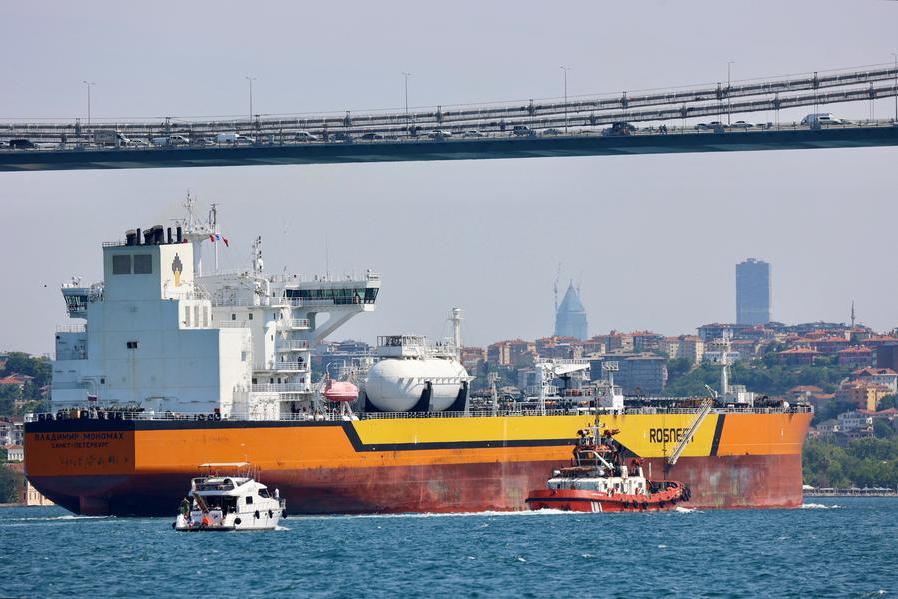
Traders are increasingly turning to tankers to store Russian Urals crude as demand weakens and customers weigh the risk of increased sanctions, according to Reuters calculations based on LSEG and trade data.
Major importers India and Turkey have been cutting back on purchases since late last year in response to tightening Western sanctions, including recent U.S. actions against Rosneft and Lukoil and a European Union ban on fuel produced from Russian crude. Russian oil prices have fallen to record lows.
Traders say the availability of ships to transport Russian crude is tightening as more tankers wait to unload their cargo, shrinking already limited tonnage.
Several tankers carrying the Urals are sailing without a confirmed buyer and deliberately slowing their passage in an attempt to secure a deal along the way, traders and LSEG data show.
About 19 million barrels of Urals loaded before Dec. 15 are waiting to be unloaded or remain in transit, according to LSEG terminal data and Reuters estimates.
Traders say long stops during voyages have effectively turned some tankers into floating storage, but LSEG data shows not all vessels remain stationary during the waiting period.
Under normal conditions, it takes Ural cargo from Russia’s Baltic Sea ports about 45 days to reach China and about 30 days to reach India, but many ships are currently taking significantly longer.
One example is the Gattaca, a Panama-flagged tanker managed by Greece-based Star Marine Management. The ship departed from a Baltic Sea port on November 21 with about 100,000 tons of Urals bound for India, but has not yet reached its destination.
According to LSEG data, it had been at sea for more than 60 days, including about a month off the coast of Oman.
Star Marine Management did not respond to requests for comment.
Traders said extended downtime for loaded tankers significantly increased costs for sellers, and delayed deliveries reduced vessel availability, driving up freight rates.
Freight rates for shipping Urals from Russia’s western ports to India resumed rising in January on the back of tight tonnage supply, heightened transport risks and disruption from Black Sea storms, sources said.
(Reporting by Reuters in Moscow; Editing by Mark Potter)
