

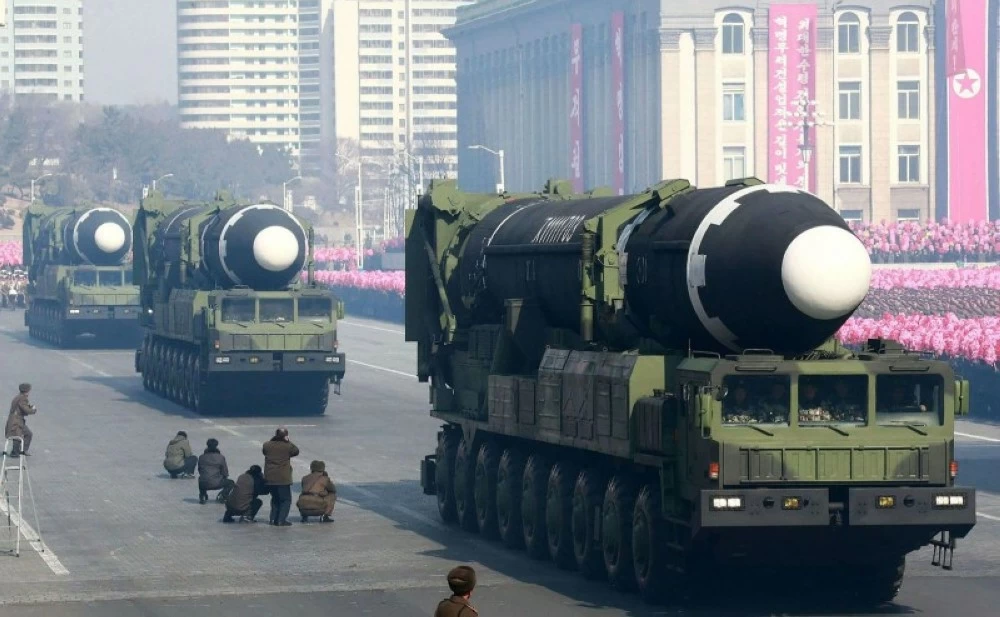
Today (Thursday), the New START nuclear treaty between Russia and the United States officially ended, marking the international system entering an uncertain and dangerous phase, amid growing threats of a new nuclear arms race that would return the world to a Cold War atmosphere.
Moscow: We are no longer obligated…but wise
Russia announced yesterday (Wednesday) that it is no longer “bound” by the New START Treaty, with a Foreign Ministry statement confirming that the parties to the agreement are no longer subject to mutual commitments and declarations within the framework of the treaty. Nevertheless, the Russian government stressed that it would act “wisely and responsibly” in the nuclear field, in a dual message that combined withdrawal and reservation.
the last nuclear restrictions are lifted
Signed in 2010, New START is the last major arms control agreement between the United States and Russia that caps the number of launchers and strategic nuclear warheads and includes mutual verification mechanisms. The expiry of the deadline will move the world into an undisciplined nuclear reality, especially since inspections have been suspended from 2023 in the context of Russia’s war in Ukraine.
Washington is waiting… and China is at the table too.
Meanwhile, the United States maintained cautious silence about its next steps. Secretary of State Marco Rubio only said that President Donald Trump would talk about the situation “later,” indicating Washington’s desire to involve China in future negotiations, given its growing nuclear arsenal and that 21st century arms control “cannot be achieved without China.”
International warning and emergency appeal
There was also a flurry of international reactions, warning of the consequences of ending the treaty. The Kremlin itself warned that the world was “more dangerous than before,” while Pope Leo XIV called for preventing a new arms race and called for arms control tools not to be abandoned without effective alternatives. UN Secretary-General António Guterres also called this a “difficult time for international peace and security” and called on the United States and Russia to return to the negotiating table immediately.
Germany and France, meanwhile, blamed Moscow for the failure, and Paris saw the end of New START as the first time since the Cold War that restrictions on the world’s two largest nuclear weapons would be lifted. International organizations such as ICAN have also warned about accelerating the arms race and expanding it to other nuclear-weapon states.
Between the abandonment of the agreement and the faltering of alternatives, the world finds itself facing another nuclear test. Its most prominent title is “Will the door to negotiations open soon…or will fear take the next step?”
