

Iran’s semi-official Student News Agency confirmed today (Friday) that nuclear negotiations have begun between the United States and Iran in Muscat, the capital of Oman.
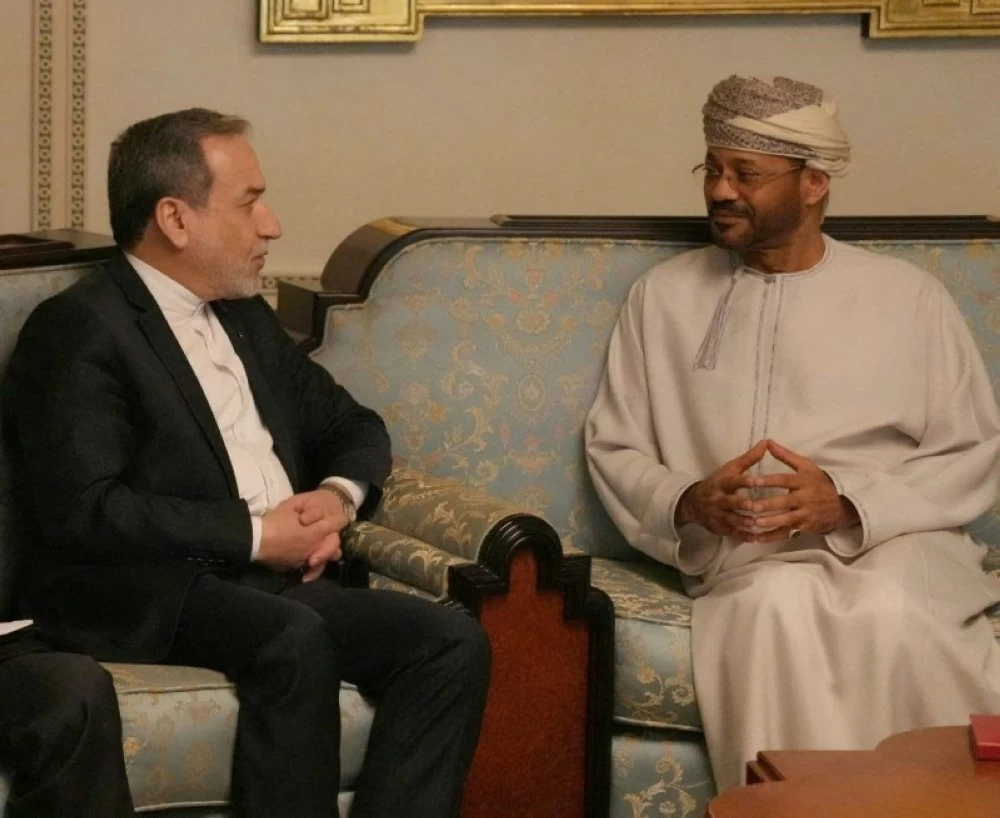
According to Iranian news agency IRNA, in a meeting with Oman’s Foreign Minister Badr al-Busaidi prior to the start of the talks, Iranian Foreign Minister Abbas Arakchi asserted that his country is “ready to protect the country’s sovereignty and national security in the face of any outrageous demands or American adventures,” and the two ministers discussed the most important bilateral, regional and international issues.
solution diplomacy
“Iran uses diplomacy to protect its national interests,” Arakchi said. US President Donald Trump did not rule out military options.
“Iran is entering the diplomatic path with its eyes open and with a vivid memory of what it witnessed last year,” Arakuchi wrote on his X account, adding: “We are working in good faith and at the same time firmly defending our rights.”
The Iranian Foreign Minister emphasized the need to honor commitments, considering that equality of status, mutual respect and common interests are not slogans, but essential and essential foundations for a sustainable agreement.
While Iran is seriously seeking dialogue, the United States is seeking to achieve diplomatic progress on Iran’s nuclear issue without ruling out resorting to military action.
serious conversation
Ismail Baghaei, a spokesperson for Iran’s Ministry of Foreign Affairs, said in a post on the X platform that “It is our (Iranian government’s) responsibility to seize every diplomatic opportunity to maintain peace and stability in the region,” and expressed his hope that the United States would also take responsibility, realistically, and seriously participate in the talks.
Meanwhile, White House press secretary Caroline Levitt told reporters that diplomacy has always been President Trump’s first choice when it comes to dealing with countries around the world, whether allies or adversaries, and that President Trump’s position is to maintain a complete cessation of Iran’s nuclear capabilities.
He indicated that President Trump wants to know whether it is possible to reach an agreement during and during these negotiations, stressing that he would like to “remind the Iranian regime that the president, as commander-in-chief of the most powerful military in the history of the world, has many options other than diplomacy.”
Participation of US Central Command Commander
A U.S.-Iranian negotiating delegation led by U.S. Special Envoy Steve Witkoff and Iranian Foreign Minister Abbas Arakchi has arrived in the Sultanate of Oman.
A senior U.S. official confirmed that Witkoff and President Donald Trump’s son-in-law Jared Kushner would take part in the talks, while the Wall Street Journal reported that the commander of U.S. Central Command would take part in talks with Iran in Muscat.
Iran’s semi-official “Student News Agency” confirmed today (Friday) that nuclear negotiations have begun between the United States and Iran in Muscat, the capital of Oman.
According to Iranian news agency IRNA, Iranian Foreign Minister Abbas Araghchi, in a meeting with Oman’s Foreign Minister Badr al-Busaidi prior to the meeting, asserted that his country is “ready to protect the country’s sovereignty and national security from any excessive demands or adventures of the United States,” and that the two ministers discussed the most important bilateral, regional and international issues.
diplomacy of solutions
“Iran is using diplomacy to protect its national interests,” Araghchi said, and did not rule out U.S. President Donald Trump’s military option.
“Iran enters the diplomatic path with its eyes open and still remembering what happened last year,” he wrote on his X account, adding, “We will work in good faith while firmly protecting our rights.”
The Iranian Foreign Minister emphasized the need to honor commitments, considering that equality of status, mutual respect and common interests are not slogans, but rather the essential essence and basis of a sustainable agreement.
Despite Iran’s serious demands for negotiations, the United States is trying to make diplomatic progress on Iran’s nuclear issue without ruling out military action.
seriousness of talks
Ismail Baghaei, a spokesperson for Iran’s Ministry of Foreign Affairs, said in a post on the X platform that “It is our responsibility (as the Iranian government) to seize every diplomatic opportunity to maintain peace and stability in the region,” and expressed hope that the U.S. side will also take responsibility, realistically, and seriously participate in the talks.
White House press secretary Caroline Levitt told reporters that diplomacy is always President Trump’s first choice when dealing with countries around the world, whether allies or enemies, and made it clear that Trump’s position is to advocate for a complete end to Iran’s nuclear capabilities.
He said he wanted to know if President Trump could reach an agreement in these negotiations, adding: “I want to remind the Iranian regime that as commander-in-chief of the most powerful military in the history of the world, the president has many options other than diplomacy.”
Participation of U.S. Central Command leaders
A U.S.-Iranian negotiating delegation led by U.S. Special Envoy Steve Wittekoff and Iranian Foreign Minister Abbas Araghchi has arrived in the Sultanate of Oman.
A senior U.S. official confirmed that Wittekoff and President Donald Trump’s son-in-law Jared Kushner would take part in the talks, while the Wall Street Journal reported that the commander of U.S. Central Command would take part in talks with Iran in Muscat.
