


New scientific research has revealed that exposure to toxic mold during childhood can have long-term effects on lung health, even into your teenage years and beyond.
A research team from the University of Bristol found that children exposed to indoor mold recorded a significant decline in lung function during adolescence.
These results were obtained as part of a long-term research project known as “Children of the 90s,” which followed participants for nearly 30 years.
The data showed that participants who were exposed to mold at age 15 had a 5% reduction in the efficiency of their lung function 10 years later compared to other participants.
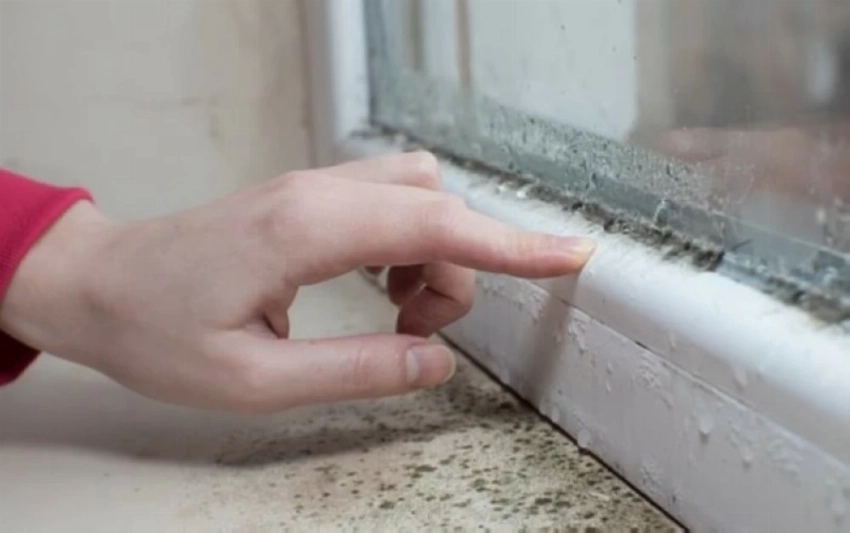
Living in a damp or mold-contaminated home is known to cause a wide range of health problems, including respiratory infections such as Aspergillus, asthma, and allergies.
Mold, a microscopic fungus, releases thousands of tiny toxic particles into the air, and inhaling them is always a health risk.
Symptoms and warning signs
The most obvious signs that may indicate exposure to household mold include a persistent cough, chest wheezing, shortness of breath, worsening asthma or respiratory illness, and respiratory tract infections.
Co-author of the study, Dr. Raquel Granelle, said there are practical steps you can take to reduce the risk of mold spreading in your home, including increasing ventilation, especially opening windows in the kitchen and bathrooms, and avoiding drying clothes indoors as much as possible. We recommend using a dehumidifier if necessary.
Hidden places where mold grows
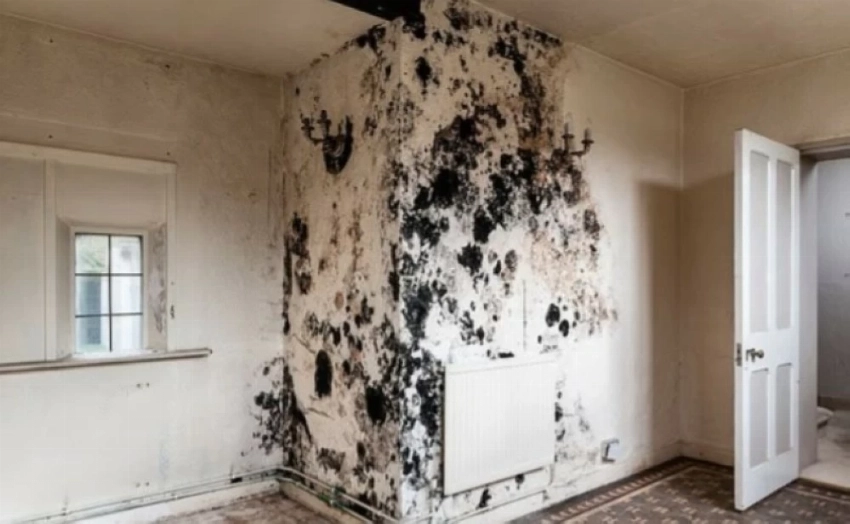
Experts warned that mold does not only grow on walls, but can also grow inside household appliances such as dishwashers, refrigerators, and microwave ovens due to constant humidity. They can also appear behind sinks, under floors, in poorly ventilated basements and above ceilings.
Experts say mold will begin to grow within just a day or two in a humid environment, but it can take weeks or even months for visible odors and stains to appear.
more dangerous type
Some types of mold are more dangerous than others, especially black mold, which produces toxic chemicals known as mycotoxins that, if repeatedly exposed to, can cause serious symptoms such as cognitive impairment, mood changes, headaches and muscle aches, asthma-like symptoms, and a weakened immune system.
Experts explain that inhaling these toxins stimulates the immune system to release powerful inflammatory substances known as cytokines, which can travel through the bloodstream and affect important glandular systems, including the brain and nervous system.
alarming numbers
According to UK government data, around 5,000 cases of asthma and 8,500 cases of lower respiratory tract infections occurred in the UK in 2019, with damp and mold in homes being the cause, with these factors thought to be responsible for 1-2% of new hay fever cases each year.
Professor James Dodd, Professor of Respiratory Medicine at Bristol Medical School, said: “Exposure to mold primarily affects the lungs through the inhalation of fungal spores that cause allergic and inflammatory reactions, highlighting that children and patients with asthma or chronic lung disease are most susceptible to complications.”
He added that dampness and mold are preventable causes of respiratory disease, and ignoring poor housing conditions exacerbates health inequalities and increases pressure on health systems.
New scientific research has revealed that exposure to toxic mold in childhood can have long-term effects on lung health that extend into adolescence and beyond.
A research team from the University of Bristol found that children exposed to mold in the home recorded a significant decline in lung function during adolescence.
These findings came as part of a long-term research project known as “Children of the 90s,” which followed participants for nearly 30 years.
The data showed that participants exposed to mold at age 15 had a 5% reduction in lung function efficiency 10 years later compared to other participants.
Living in a damp or moldy home is known to cause a variety of health problems, including respiratory infections such as aspergillosis, asthma, and allergies.
Mold, a microscopic fungus, releases thousands of tiny toxic particles into the air, posing an ongoing health risk when inhaled.
Symptoms and warning signs
The main signs that you may be exposed to mold in your home include a persistent cough, chest wheezing, shortness of breath, worsening asthma or respiratory illness, and respiratory tract infections.
Dr Raquel Granelle, co-author of the study, said there are practical steps that can be taken to reduce the risk of mold growing in the home, the most important of which are improving ventilation, especially opening windows, such as in the kitchen and bathroom, and avoiding drying clothes indoors as much as possible. She recommended using a dehumidifier if needed.
Hidden places where mold grows
Experts warn that mold growth isn’t just limited to walls. They can also grow inside household appliances such as dishwashers, refrigerators, and microwaves if they are kept damp. They can also appear behind sinks, under floors, and in poorly ventilated attics and basements.
Experts say that mold can begin to grow within just a day or two in a damp environment, but it can take weeks or even months for odor or visible stains to appear.
more dangerous type
Some types of mold are more dangerous than others, most notably black mold, which produces toxic chemicals known as mycotoxins. Repeated exposure to these can cause serious symptoms such as cognitive impairment, mood changes, headaches and muscle pain, asthma-like symptoms, and weakened immunity.
Experts explain that inhaling these toxins stimulates the immune system to release powerful inflammatory substances known as cytokines, which travel through the bloodstream and can affect vital systems such as the brain and nervous system.
alarming numbers
Around 5,000 cases of asthma and 8,500 lower respiratory tract infections in the UK in 2019 were linked to damp and mold in homes, according to UK government data. It is also believed that these factors account for 1% to 2% of new hay fever cases each year.
Professor James Dodd, Professor of Respiratory Medicine at Bristol Medical School, stressed that exposure to mold primarily affects the lungs through the inhalation of fungal spores that cause allergic and inflammatory reactions, with children, asthmatics and people with chronic lung disease being most susceptible to complications.
He added that dampness and mold are preventable causes of respiratory disease, and ignoring poor housing conditions exacerbates health inequalities and increases pressure on health systems.
