

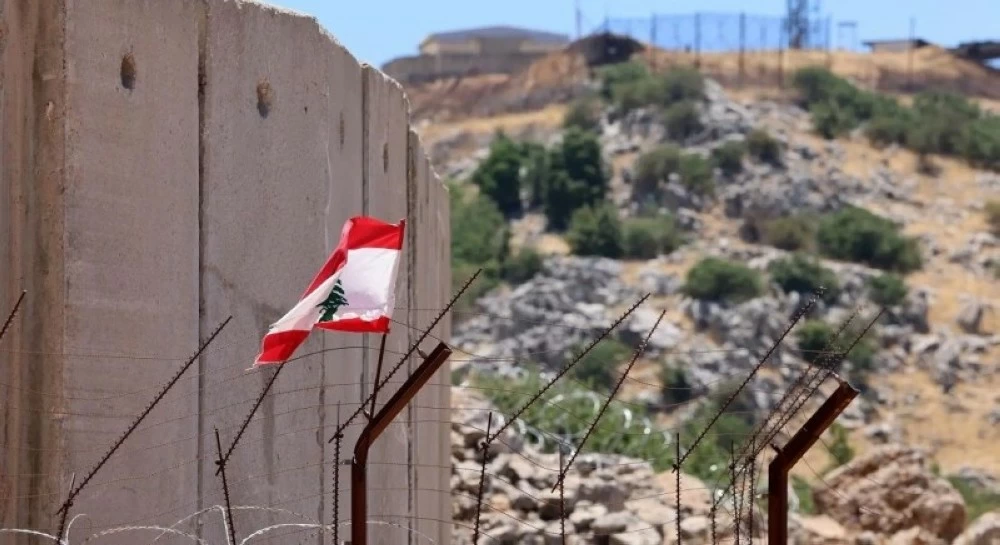
UN High Commissioner for Human Rights spokesperson Tameen al-Khitan expressed grave concern over reports that an Israeli plane had sprayed chemical substances on farmland in southern Lebanon, near the Blue Line separating the two countries.
Mr. Alkitan stressed that if confirmed, these acts would be considered “extremely alarming” under international humanitarian law and require immediate investigation to determine the nature of these substances, stressing that attacks on agricultural land and food supplies pose a serious humanitarian threat, in addition to serious threats to the environment and civilian life.
UNIFIL rejects Israeli practices
The United Nations Interim Force in Lebanon (UNIFIL) said the Israeli military had given advance notice that it would carry out air operations to drop what it called “non-toxic chemicals” over the Blue Line, which UNIFIL said was “unacceptable” and in violation of Security Council resolution 1701.
Lebanese media reports said the substance used was the herbicide glyphosate, at concentrations 20 to 30 times higher than permissible levels, raising concerns about long-term health and environmental effects.
Israel’s ongoing violations
Meanwhile, U.N. spokesman Stephane Dujarric said the U.N. is aware of these reports, which raise questions about the impact of herbicide use on local agricultural land and how it might affect the return of civilians to their homes and sources of livelihood.
Mr. Dujarric called on parties to abide by international humanitarian law, stressing that Israel’s activities north of the Blue Line are a violation of resolution 1701 and that UNIFIL will continue to liaise with the Lebanese authorities.
Lebanese President Joseph Aoun condemned the act as an “environmental and health crime” against the Lebanese people and its land, and called on the international community and UN agencies to stop such attacks. Lebanon’s Ministry of Foreign Affairs also announced its intention to submit a formal complaint to the United Nations Security Council.
Potential cancer threat to Lebanese people
According to a World Health Organization report, glyphosate is classified as a “carcinogen” and can cause long-term environmental damage to soil, water and agriculture.
Human rights groups such as the Euro-Med Human Rights Monitor say the actions target civilian livelihoods and prevent the return of displaced people, and could amount to war crimes, with Lebanon’s southern region already suffering estimated millions of dollars in agricultural damage as a result of past conflicts.
Tameen al-Khaitan, spokesperson for the United Nations High Commissioner for Human Rights, expressed deep concern over reports that Israeli planes had sprayed chemical substances on farmland in southern Lebanon, near the Blue Line separating the two countries.
Al-Qaitan confirmed that these acts, if confirmed, are “extremely concerning” from the perspective of international humanitarian law and require immediate investigation to determine the nature of these materials, stressing that attacks on agricultural land and food supplies pose serious humanitarian risks, in addition to serious threats to the environment and civilian life.
UNIFIL rejects Israeli practices
Operations by the United Nations Interim Force in Lebanon (UNIFIL) revealed that the Israeli military had given advance notice that it would carry out airstrikes to drop what it called “non-toxic chemicals” over areas near the Blue Line, which UNIFIL said was “unacceptable” and in violation of Security Council resolution 1701.
The Lebanese report said the substance used was the herbicide glyphosate, at concentrations 20 to 30 times higher than permissible levels, raising concerns about its long-term health and environmental effects.
Israel’s ongoing violations
Meanwhile, UN spokesperson Stephane Dujarric said the UN was aware of these reports and that the use of herbicides raised questions about the impact on local agricultural land and how it would affect the return of civilians to their homes and livelihoods.
Mr. Dujarric called on parties to abide by international humanitarian law, asserting that Israeli activities north of the Blue Line constitute a violation of resolution 1701 and that UNIFIL would continue to liaise with the Lebanese authorities.
Lebanese President Joseph Aoun condemned the act as an “environmental and health crime” against the Lebanese people and its land and called on the international community and UN agencies to stop such attacks, while the Lebanese Foreign Ministry announced its intention to file a formal complaint with the UN Security Council.
Potential cancer threat to Lebanese people
According to a World Health Organization report, glyphosate is classified as a “potential carcinogen” and can cause long-term environmental damage to soil, water and agriculture.
Human rights groups such as the Euro Med Human Rights Monitor say such actions could amount to war crimes as they target civilian livelihoods and prevent the return of displaced people, while southern Lebanon has already suffered an estimated millions of dollars in agricultural damage from past conflicts.
