


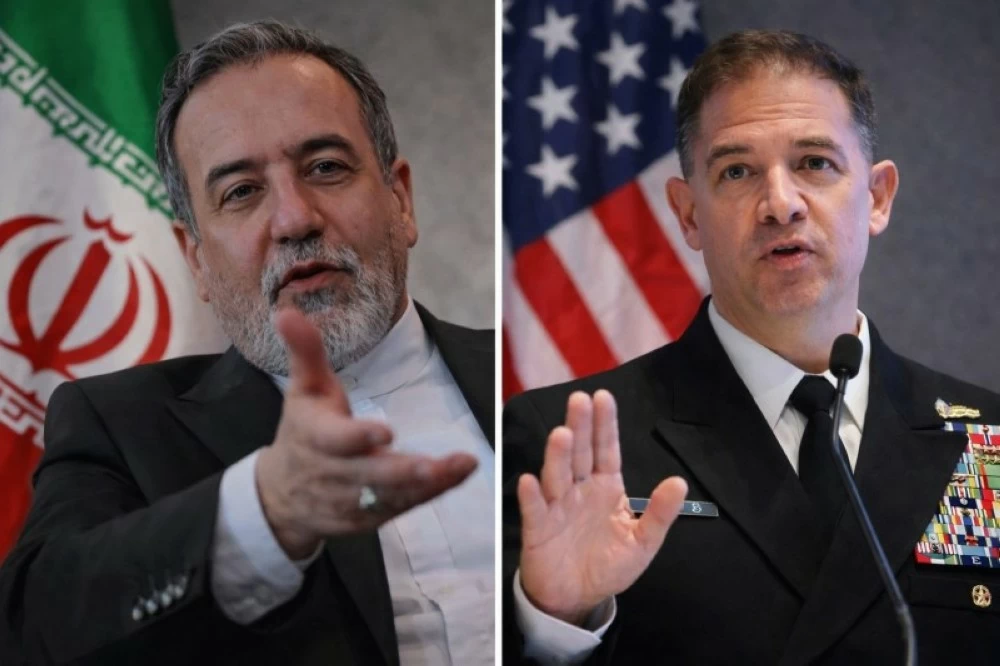
Amidst the positive signs emerging from Muscat after the first round of indirect nuclear negotiations between the United States and Iran and growing doubts about their true path forward, two notable developments have emerged. The first was represented by US President Donald Trump sending the top US military commander in the Middle East to the negotiating table, and the second was Israel’s unveiling of six tough demands that Prime Minister Benjamin Netanyahu would comply with and force any potential deal. The two developments reflect the level of tension and complexity in one of the region’s most sensitive files, and the intertwining of politics and military power.
General in military uniform on diplomatic mission
In an unusual move, US President Donald Trump has appointed Admiral Brad Cooper, commander of US Central Command (CENTCOM), to hold indirect talks with Iran in Muscat. Mr. Cooper appeared in military uniform and sent a message that was interpreted as confirming the growing American military buildup in the region and confirming a path to negotiation and a direct link to military options.
The measure raised wide-ranging questions about its political implications, especially since it was the first time military commanders at this level were participating in talks of this kind and opened the door to deciphering messages of deterrence and pressure on the ground beyond the nature of the protocols.
Criticism of Washington’s diplomatic approach
In a related statement, Elissa Ewers, who served in national security positions in the George W.
He emphasized that successful diplomacy requires time, effort and long-term investment, saying, “Not every nail requires a hammer,” and noted the dangers of prioritizing military logic over political paths.
Six conditions for Israel on the table in Washington
In parallel with the US move, Israeli sources revealed six demands that Prime Minister Benjamin Netanyahu has complied with and communicated to the American side as the second round of nuclear talks approaches. Israel’s Channel 14 reported that these demands include:
・Completely halt Iran’s nuclear program.
•Zero concentration capacity.
・Remove all enriched uranium from Iran.
・Limit the range of ballistic missiles to 300 kilometers.
•Dismantle Tehran’s entire network of agents in the region.
•Complete long-term oversight of future contracts.
A red line that must not be crossed between attacking Iran and its “defense capabilities”
Meanwhile, Iran’s Foreign Minister Abbas Arakchi has escalated its stance against Israel, accusing it of following “hegemony” that allows it to expand its military while pressuring other countries in the region to disarm.
Arraqchi, along with Iranian officials, stressed that the country’s defense capabilities, including missiles, are “non-negotiable,” reflecting growing differences ahead of future rounds.
Future meetings will determine direction.
All eyes are on next Wednesday’s meeting between Prime Minister Netanyahu and US President Donald Trump in Washington, which is expected to be decisive in shaping the nature of the US position on the situation in Israel and the limits of possible flexibility in negotiations with Iran.
Amid positive signals from Muscat following the first round of indirect nuclear negotiations between Washington and Iran and growing questions about their true course, two notable developments have emerged. The first is the sending of US President Donald Trump’s top military commander in the Middle East to the negotiating table, and the second is Israel’s unveiling of six tough demands that Prime Minister Benjamin Netanyahu has insisted that any potential deal must have. These developments reflect the degree of tension and complexity at the intertwining of politics and military forces in one of the region’s most sensitive files.
General in military uniform on diplomatic mission
In an unusual move, US President Donald Trump has tasked Admiral Brad Cooper, commander of US Central Command (CENTCOM), with a mission while attending indirect talks with Iran in Muscat. Although Mr. Cooper appeared in military uniform, his message was interpreted as confirming the increased US military buildup in the region and directly linking the negotiation process to military options.
The move raised widespread questions about its political meaning, especially since it was the first time military leaders at this level were participating in a conversation of this kind and opened the door to interpretations beyond the ceremonial aspects of the message of deterrence and pressure on the ground.
Criticism of Washington’s diplomatic approach
In a related vein, Elisa Ewers, who served in national security positions in the George W.
He stressed that successful diplomacy requires time, effort and long-term investment, saying, “Not every nail needs a hammer,” noting the dangers of prioritizing military logic over political paths.
Six conditions for Israel on the table in Washington
In parallel with the US move, Israeli intelligence sources revealed six demands that Prime Minister Benjamin Netanyahu conveyed to his US side as the second round of nuclear talks approaches. According to Israel’s Channel 14, these demands include:
・Completely halt Iran’s nuclear program.
•Zero concentration ability.
・Remove all enriched uranium from Iran.
・Limit the range of ballistic missiles to 300 kilometers.
•Complete dismantling of Tehran’s proxy network in the region.
• Full and long-term monitoring of future contracts.
Iran’s counterattack and “defense capabilities” are red lines that must not be crossed
In response, Iranian Foreign Minister Abbas Araghchi stepped up his rhetoric against Israel, accusing it of following a “chauvinism” that allows it to expand its military while pressuring other countries in the region to disarm.
Araghchi, along with other Iranian officials, stressed that the country’s defense capabilities, including missiles, are “non-negotiable,” reflecting a widening divide ahead of future rounds.
Meetings scheduled to define the course
All eyes are on the meeting between Prime Minister Netanyahu and US President Donald Trump scheduled for next Wednesday in Washington, which is expected to be decisive in shaping the US position on the situation in Israel and the limits of possible flexibility in negotiations with Iran.
