

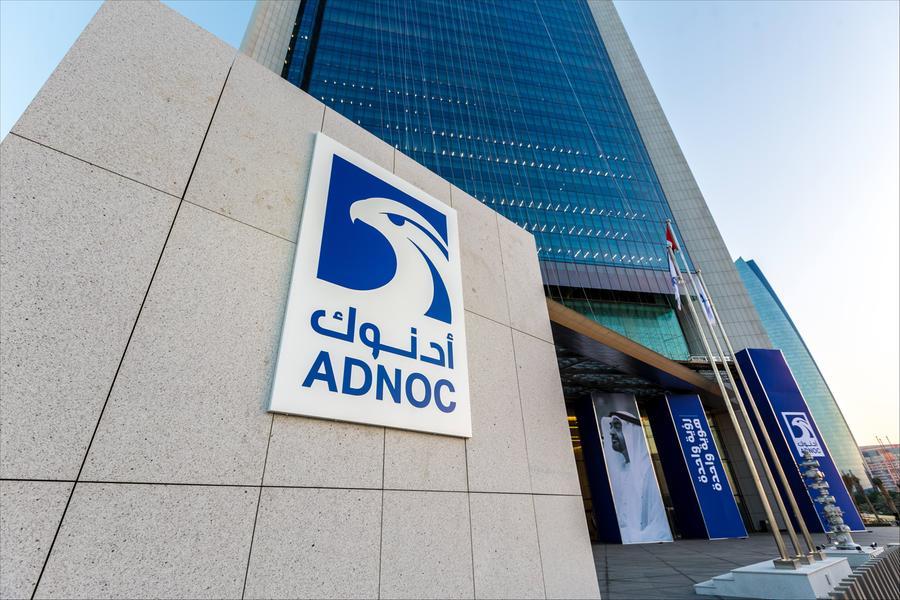
Berlin/Frankfurt: RWE signed a tentative agreement with Abu Dhabi National Oil Company on Friday. According to the agreement, Germany’s largest power company said it could buy LNG supplies for the European market as Berlin pushes to diversify its energy partners.
German Chancellor Friedrich Merz is currently visiting countries in the Gulf region, hoping to discover new energy sources and reduce his country’s dependence on current major suppliers, including the United States.
In addition to its operations as a power producer, RWE, which counts Qatar as its single largest shareholder, is an energy importer and gas and LNG trader.
Under the framework agreement with ADNOC, RWE will explore the possibility of purchasing up to 1 million tonnes of LNG per year for up to 10 years for Germany and other European markets.
Since Moscow’s invasion of Ukraine in 2022, Germany has been withdrawing from Russian gas. Norway is currently the largest gas supplier. And the United States supplies nearly all of the LNG.
But relations between Europe and the United States have been rattled by US President Donald Trump’s aggressive trade strategy, wavering support for Ukraine, and his stated desire to seize Greenland, an autonomous Danish territory.
Markus Klebber, CEO of RWE, said: “We are very satisfied with our strategic cooperation with ADNOC. This underlines our common commitment to securing Europe’s energy needs.”
“Our plans are based on a successful and long-term partnership.”
Separately, RWE has reached an agreement with Abu Dhabi’s state-run renewable energy company Masdar to co-invest in up to 2 GW of battery storage projects in Germany.
The Gulf region is becoming an increasingly important partner for Berlin due to its vast resources and investment capacity.
Merz, who led talks in the United Arab Emirates after visiting Qatar on Thursday, is pushing for deeper ties with the Gulf states, with a particular focus on long-term cooperation in energy and technology.
The chancellor said this week that Germany needed “such partnerships” more than ever as world politics changed. (Reporting by Kirsti Knolle and Christoph Steitz; Editing by Linda Pasquini and Joe Bavier)
