

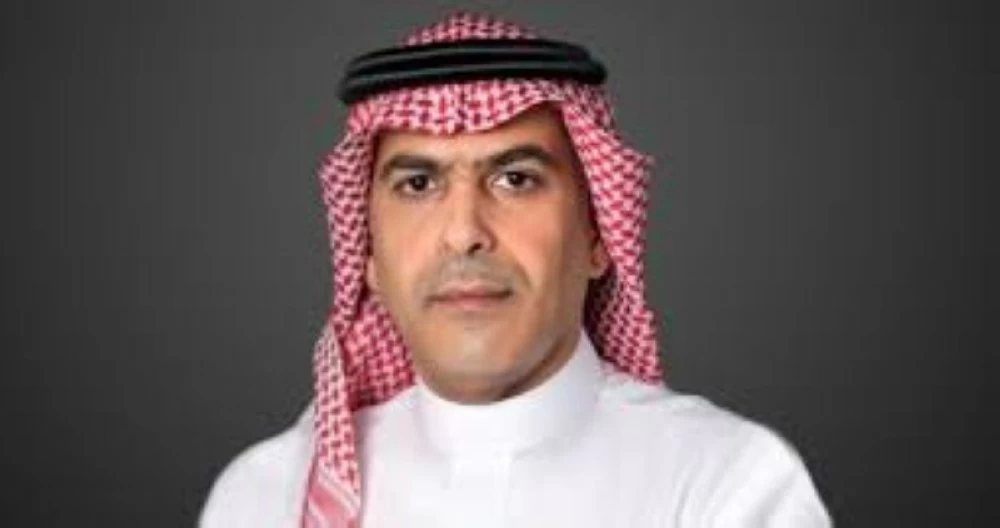
Saudi Central Bank (SAMA) Governor Ayman Al Sayyari acknowledged that pegging the Saudi riyal to the US dollar, supported by large foreign exchange reserves, has contributed to maintaining local price stability, as Saudi Arabia’s average annual inflation rate over the past five years has remained below 3%.
This was announced during the activities of the 2026 Al-Ula Economic Conference for Emerging Markets, hosted by Al-Ula Governorate in cooperation with the Ministry of Finance and the International Monetary Fund. It was announced at the time of Mr. Yali’s participation, with high-level participation of economic decision-makers, finance ministers, central bank governors, and leaders of international financial institutions, working with an elite group of experts and experts from around the world.
structural phenomenon
Mr. Al Sayyari pointed out that increasing global uncertainty is caused by geopolitical fragmentation factors, accelerating technological change, commodity price volatility, and the expansion of non-bank financial intermediation activities, whose assets exceed 50% of the world’s financial asset volume, making it a structural rather than situational phenomenon.
He noted that geopolitical tensions, trade fragmentation and high levels of debt are among the most salient and influential challenges for policymakers in emerging markets.
sufficient stockpiles
“The experience of the Kingdom of Saudi Arabia confirms the importance of having sufficient foreign exchange reserves and an integrated monetary and financial policy framework to maintain monetary and financial stability,” he said.
He said that to foster effective cross-border cooperation, policymakers must prioritize improving the quality of data-driven regulatory reporting, establishing uniform standards, interoperability in the careful adoption of emerging technologies, and accelerating the exchange of knowledge and experience between legislative systems.
Saudi Central Bank (SAMA) Governor Ayman Al Sayyari acknowledged that the peg of the Saudi riyal against the US dollar, supported by large foreign exchange reserves, has helped maintain local price stability, as the country’s average annual inflation rate has remained below 3% for the past five years.
This was announced by Mr. Al Sayyari during his participation in a panel discussion entitled “The Impact of Global Uncertainty on the International Monetary and Financial System” as part of the 2026 AlUla Conference on Emerging Market Countries, organized by AlUla Governorate in cooperation with the Ministry of Finance and the International Monetary Fund, and attended by high-level participants and selected people, including economic decision-makers, finance ministers, central bank governors, and leaders of international financial institutions. A group of experts and experts from different countries around the world.
structural phenomenon
Mr. Alsayali noted that geopolitical fragmentation, rapid technological change, volatility in commodity prices, and the expansion of non-bank financial intermediaries, whose assets account for more than 50% of global financial assets, make increased global uncertainty a structural rather than situational phenomenon.
He noted that geopolitical tensions, trade fragmentation and rising debt levels are among the most significant challenges and will have the greatest impact on policymakers in emerging economies.
sufficient stockpiles
“The experience of the Kingdom of Saudi Arabia highlights the importance of having sufficient foreign exchange reserves and an integrated monetary and fiscal policy framework to maintain financial and financial stability,” he said.
He made clear that policymakers should prioritize improving the quality of data-driven regulatory reporting, establishing uniform standards, interoperability in the careful adoption of emerging technologies, and accelerating the exchange of knowledge and expertise between legislative systems.
