


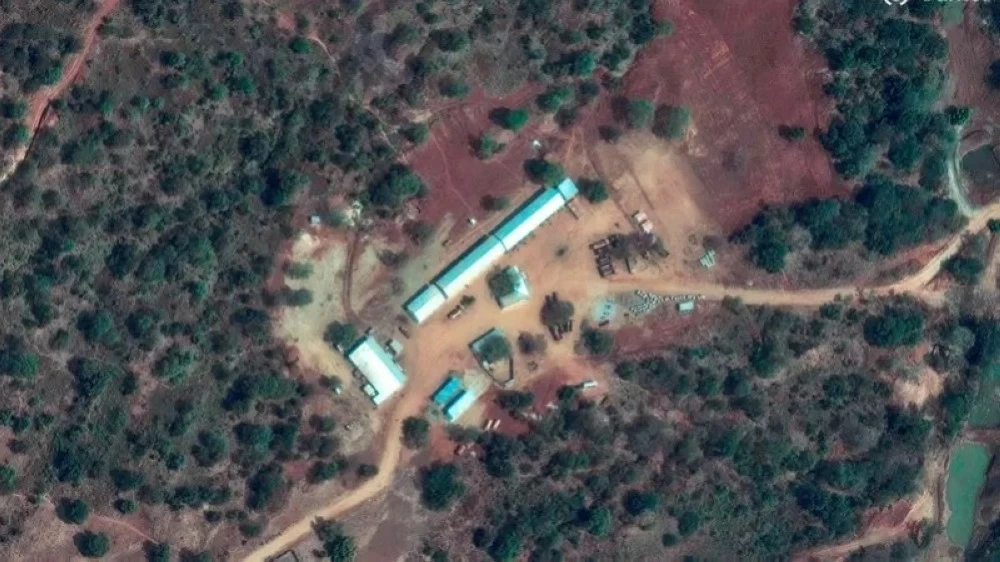
NAIROBI/LONDON — Ethiopia is hosting a secret military training camp for thousands of fighters associated with Sudan’s Rapid Support Forces (RSF), according to a Reuters investigation.
The camp, located in Ethiopia’s western Benishangul-Gumuz region near the Sudanese border, provides the RSF with a large supply of newly trained fighters as fighting intensifies in southern Sudan, particularly in Blue Nile state.
Eight sources, including Ethiopian government officials, said the United Arab Emirates financed the construction of the camp and provided military trainers and logistics support.
Reuters reviewed internal documents from the Ethiopian security services and diplomatic cables that also mentioned UAE involvement.
Sudan’s war broke out in 2023 after a power struggle between the Sudanese Armed Forces (SAF) and the RSF ahead of a planned transition to civilian rule.
The conflict has caused widespread hunger, mass displacement, and allegations of racially motivated atrocities, forcing millions of refugees into neighboring countries such as Egypt, Chad, Libya and South Sudan.
Reuters said it spoke to 15 people familiar with the camp’s construction and operations, including Ethiopian officials and diplomats, and analyzed satellite images showing recent developments at the site.
Two Ethiopian intelligence officials confirmed the details contained in the security memo and diplomatic cable.
As of early January, about 4,300 RSF fighters were training at the camp, with “logistics and military supplies provided by the UAE,” according to an Ethiopian security service memo seen by Reuters.
Related articles

Deadly drone attacks continue in Sudan’s Kordofan, UN human rights chief says
A diplomatic cable dated November states that the camp can hold up to 10,000 fighters.
Sudan’s military has previously accused the UAE of supplying weapons to the RSF, a claim that UN experts and some US lawmakers have said has credibility.
Satellite images reviewed by Reuters show construction activity at the camp has accelerated since October, including large-scale deforestation, the setting up of hundreds of tents and the arrival of large vehicles.
Images taken on November 24 show more than 640 tents, suggesting they can house thousands of recruits, according to an analysis by the defense intelligence agency Janes.
Most of the recruits are Ethiopian, but fighters from South Sudan and Sudan are also taking part, officials said.
According to classified internal documents, the project was overseen by General Getachew Gudina, head of the Ethiopian Defense Forces’ defense intelligence department. Ethiopian officials and several diplomatic and security officials acknowledged his role.
Attention has also focused on Asosa Airport, about 53 kilometers from the camp, where satellite images show new construction since August, including hangars, a paved apron, and infrastructure consistent with a drone ground control station. Ethiopian officials said the military plans to expand drone operations there as part of a broader transfer of aviation assets to the western border.
Regional officials expressed concern about the camp’s proximity to Africa’s largest hydroelectric project, the Grand Ethiopian Renaissance Dam, and warned that further militarization of the region could pose security risks if fighting escalates.
