

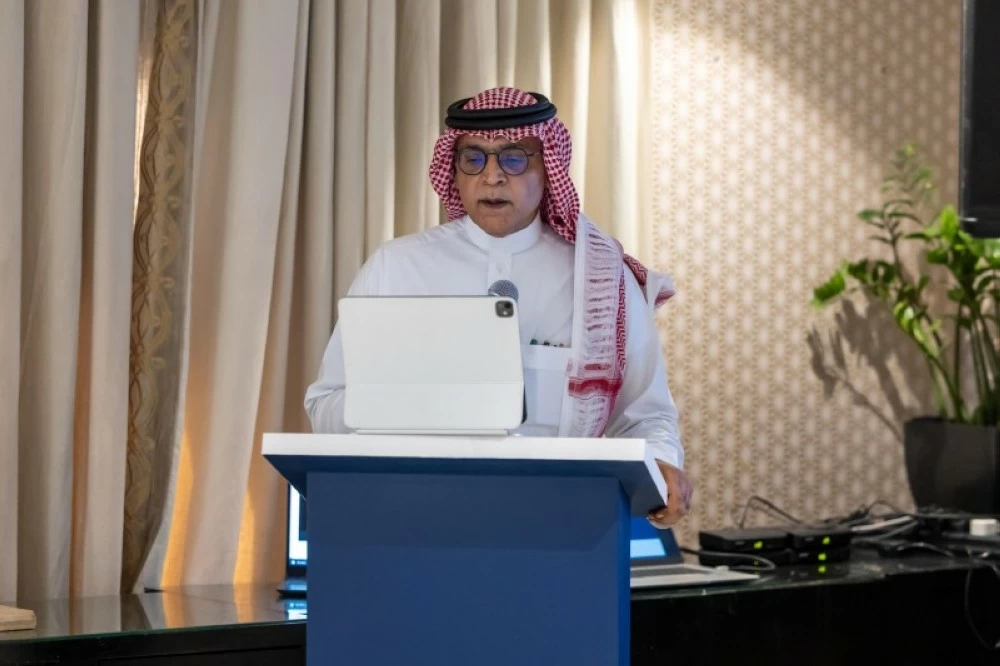
Sheikh Abdullah Saleh Kamel, Chairman of the General Council of Islamic Banks and Financial Institutions, Chairman of the Islamic Economy Al-Barakah Forum, Chairman of the Islamic Chamber of Commerce and Industry, and Chairman of the Board of the Saudi Federation of Chambers of Commerce and Industry, emphasized the importance of the resumption of participation-based investment accounts as one of the main drivers of the growth of Islamic banks.
He emphasized the need to achieve a sustainable balance between the requirements of financial stability and the nature of partnership and risk sharing, in a way that strengthens trust and establishes moral responsibility.
This was his speech at the 3rd Islamic Economic Strategy Conference, organized by the General Council of Islamic Banks and Financial Institutions in Medina, entitled “Towards the Revitalization of Participatory Investment Accounts: Regulation and Applied Interpretation of the Islamic Banking Model,” which was attended by representatives of regulatory bodies, board members, practitioners, and academics.
Significant growth and global recognition
Sheikh Abdullah Kamel said: “The holding of the meeting in Medina has a special meaning, and from its spirit and values derives the meaning of integrity and honest work. This meeting is not limited to a business meeting, but rather represents a meeting of intentions and a renewal of commitments to the values on which the country was founded, the most important of which are honesty, integrity and service to humanity.”
He explained that participation-based investment accounts represent the essence of excellence in Islamic finance and cannot be seen solely as a technical or regulatory issue, but rather as a practical expression of the philosophy of partnership, transparency, assumption of responsibility and support for real economic activity.
He pointed out that Islamic banking has achieved remarkable growth and increased global recognition over the past few decades as a result of complementary efforts by financial institutions, regulators, academics and practitioners, thereby contributing to the creation of banking models that can withstand and adapt to different regulatory environments and markets while maintaining the industry’s original principles.
Develop and enhance maturity and sustainability
Sheikh Abdullah Kamel said that the expansion of the global financial system and its increasing interconnectivity has given rise to diverse uses of participation-based investment accounts, reflecting the different circumstances, priorities and regulatory requirements between markets, which confirms the flexibility of Islamic finance and its ability to interact responsibly with economic and regulatory variables.
He underlined that the conference was an important opportunity to exchange views on ways to strengthen the role of participatory investment accounts, expand their contribution to supporting the real economy and consolidate trust between different stakeholders, noting that constructive dialogue is an essential step on the path to developing the industry and increasing its maturity and sustainability.
A true tool for growth and excellence
Sheikh Abdullah Kamel raised a number of important questions to be discussed at this meeting, the most prominent of which are how to reinvigorate participatory investment accounts as a real tool for growth and excellence, how to achieve a sustainable balance between the requirements of financial stability and the nature of partnership and risk sharing, in addition to the role expected of financial institutions, regulators and standard-setters in building a more flexible and robust banking model.
He explained that the participation of this wide range of regulatory, professional and scientific bodies reflects a shared commitment to developing the industry through responsible dialogue and collaboration, emphasizing that diversity of vision constitutes a real added value in understanding the challenges and opportunities associated with the growth of Islamic finance.
In concluding his speech, Chairman of the Islamic Economic Forum Al Barakah emphasized that the General Council of Islamic Banking and Financial Institutions attaches special importance to this conference as an extension of its role in supporting the credibility of Islamic finance, increasing its sustainability and strengthening its global prominence, and called on the participants to actively contribute to the discussion in a way that contributes to the development of the industry, responds to real demands and benefits society and the real economy.
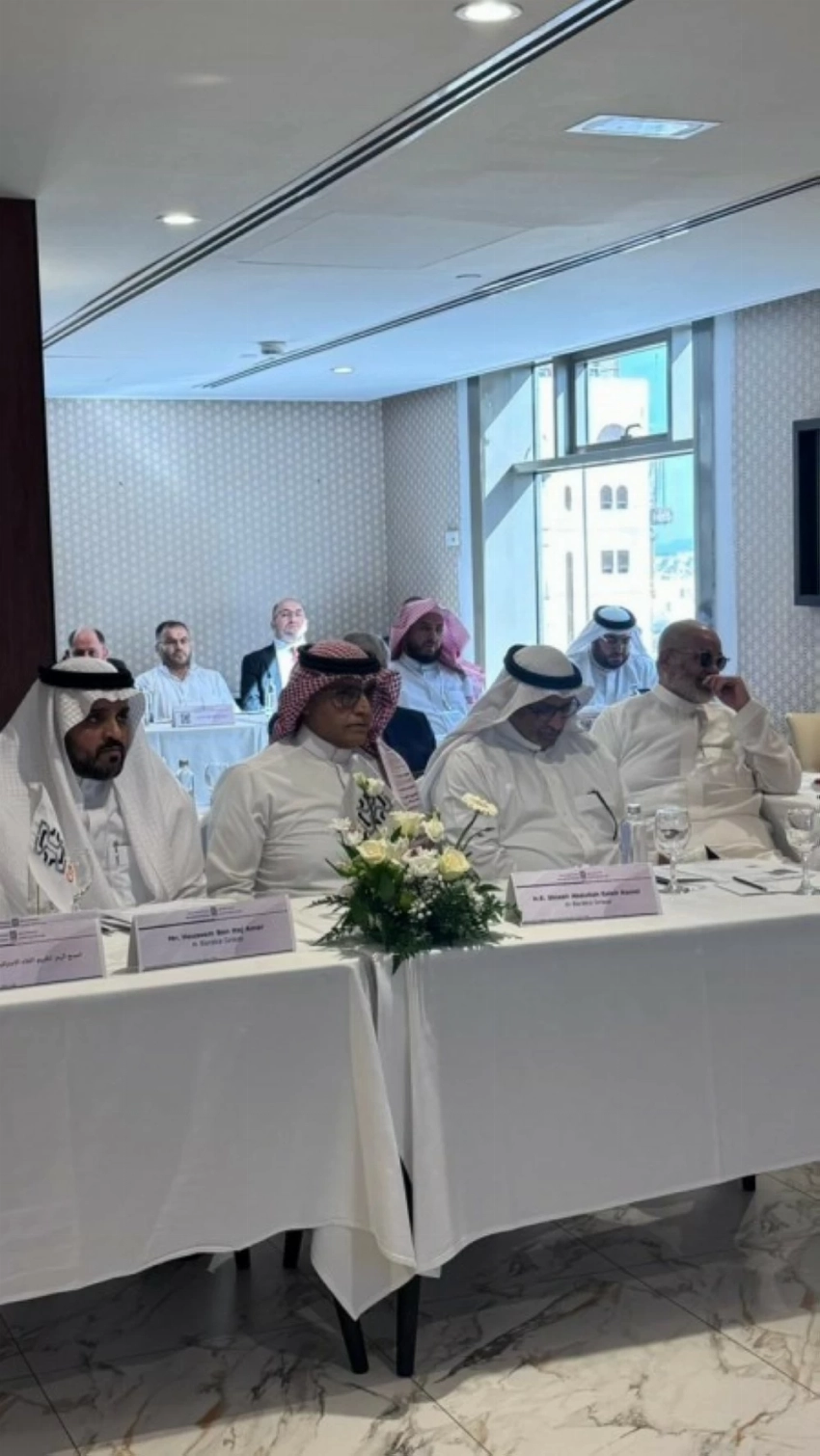
Sheikh Abdullah Saleh Kamel, Chairman of the Board of Al-Barakah Islamic Economic Forum and President of the Islamic Chamber of Commerce and Industry, underlined the importance of the resumption of participation-based investment accounts as one of the main drivers of the growth of Islamic banks, and stressed the need to achieve a sustainable balance between the requirements of financial stability and the nature of partnership and risk-sharing that enhances trust and consolidates ethical responsibility.
This was stated in a speech at the 3rd Islamic Economic Strategy Conference, organized by the General Council of Islamic Banking and Financial Institutions in Medina, entitled “Towards the revitalization of participation-based investment accounts: Readings on regulations and practices in the Islamic banking model” and attended by representatives of regulatory bodies, board members, practitioners and academics.
Remarkable growth and global recognition
Sheikh Abdullah Kamel said: “The holding of this meeting in Medina has a special meaning, inspired by its spirit and values of integrity and honest work. This meeting is not limited to a business meeting. It represents a convergence of intentions and a renewal of the agreement with the values on which the nation was founded, above all the values of integrity, reliability and service to humanity.”
He explained that participation-based investment accounts represent the essence of excellence in Islamic finance and cannot be seen as merely a technical or regulatory issue, but rather a practical expression of the philosophy of partnership, transparency, accountability and support for real economic activity.
He pointed out that the impressive growth and global recognition of Islamic banking over the past few decades has been the result of integrated efforts by financial institutions, regulators, academics and practitioners, which have contributed to the creation of a banking model that is resilient and adaptable to different regulatory environments and markets, while maintaining the industry’s original principles.
Developing and enhancing maturity and sustainability
Sheikh Abdullah Kamel noted that the expansion of the global financial system and its increasing interconnectivity has given rise to diverse applications of participation-based investment accounts, reflecting different conditions, priorities and regulatory requirements between markets, which confirms the flexibility of Islamic finance and its ability to respond responsibly to economic and regulatory changes.
He affirmed that this meeting is an important opportunity to exchange views on how to strengthen the role of investment accounts based on participation, expand their contribution to supporting the various real economies, as well as consolidate trust among stakeholders, pointing out that constructive dialogue is a fundamental station to develop the industry and increase its maturity and sustainability.
A true tool for growth and excellence
Sheikh Abdullah Kamel raised a series of vital questions to be discussed at the meeting. These include how to restart participation-based investment accounts as real tools for growth and excellence, and how to achieve a sustainable balance between the requirements of financial stability and the nature of partnership and risk-sharing, in addition to the role expected of financial institutions, regulators and standard-setting bodies in building a more flexible and robust banking model.
He affirmed that the participation of this wide range of regulatory, professional and academic institutions reflects a shared commitment to advancing the industry through responsible dialogue and collaboration, emphasizing that diversity of perspectives is a real added value to understanding the challenges and opportunities associated with the growth of Islamic finance.
In conclusion, the Chairman of the Islamic Economy Al-Barakah Forum emphasized that the General Council of Islamic Banking and Financial Institutions views this as an extension of its role in supporting the credibility of Islamic finance, enhancing its sustainability and consolidating its global prominence, and attaches special importance to it, and called on the participants to actively contribute to the discussion in a way that contributes to the development of the industry, emphasizes responsiveness to real-life demands, and benefits both society and the real economy.
