

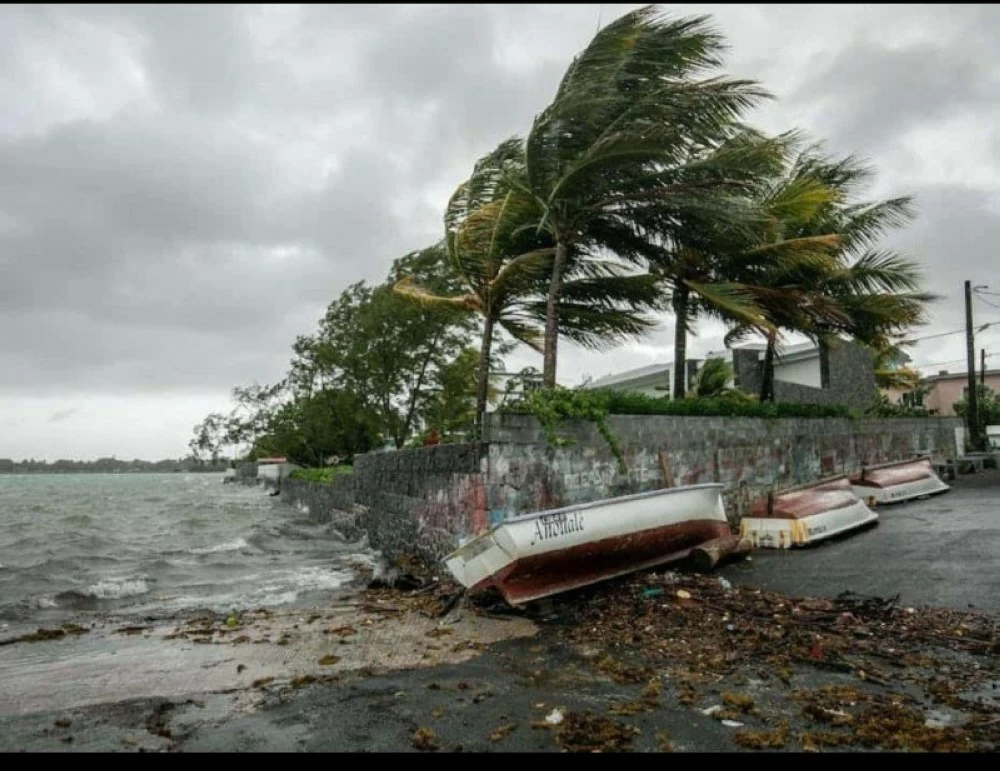
Tropical Cyclone Gizani has battered Madagascar with strong winds and heavy rain, killing at least 31 people and injuring dozens, causing significant human and material losses, according to the latest death toll released by local authorities.
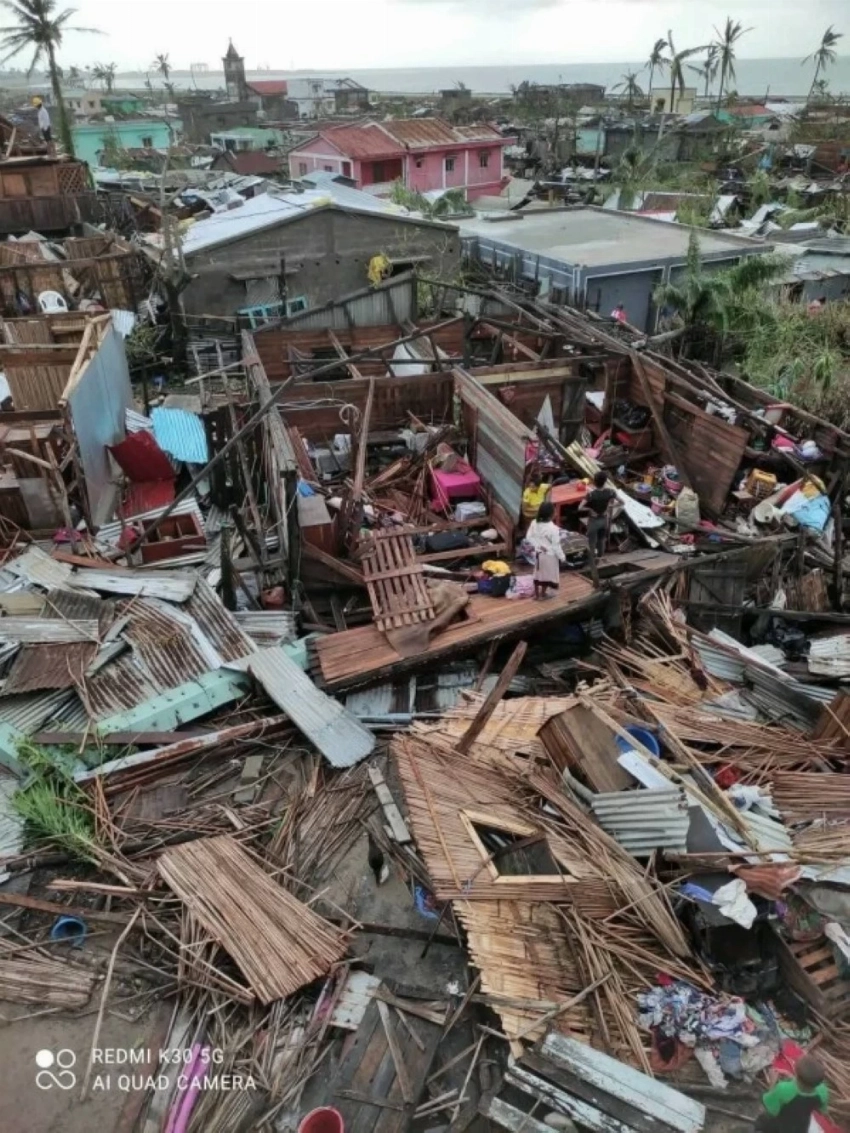
Malagasy authorities said the worst-hit area was the main port of Toamasina, the country’s largest port and eastern commercial center, where scores of houses built with lightweight materials collapsed, entire residential areas were flooded, and infrastructure was extensively damaged.
Initial reports indicate that the hurricane completely or partially destroyed more than 1,200 homes, severed major roads, collapsed small bridges, disrupted port navigation for several days, left tens of thousands of homes without power, and caused severe flooding in low-lying and coastal areas.
Declaration of emergency
The central government has declared a state of emergency in several areas, and rescue teams and the military have begun searching for survivors and distributing food and medical aid, but residents face acute shortages of clean drinking water and shelter.
Cyclone Gizani is one of the most powerful tropical cyclones to hit the east coast of Madagascar in recent years. The cyclone made landfall in the northeastern part of the island with winds of up to 180km/h and dumped more than 400mm to 600mm of rainfall in some areas within just 48 hours.
Madagascar is located in the southwestern Indian Ocean and is one of the countries most susceptible to tropical cyclones in the world. The hurricane season, which runs from November to April, sees between two and five hurricanes or severe weather cyclones each year.
In recent years, the country has experienced repeated climate disasters, most notably Hurricanes Eta and Eba in 2022, which killed more than 150 people, Hurricane Freddy in 2023, which caused extensive damage in southeastern Africa, and Hurricane Chiji in 2024, which caused extensive damage on the east coast.
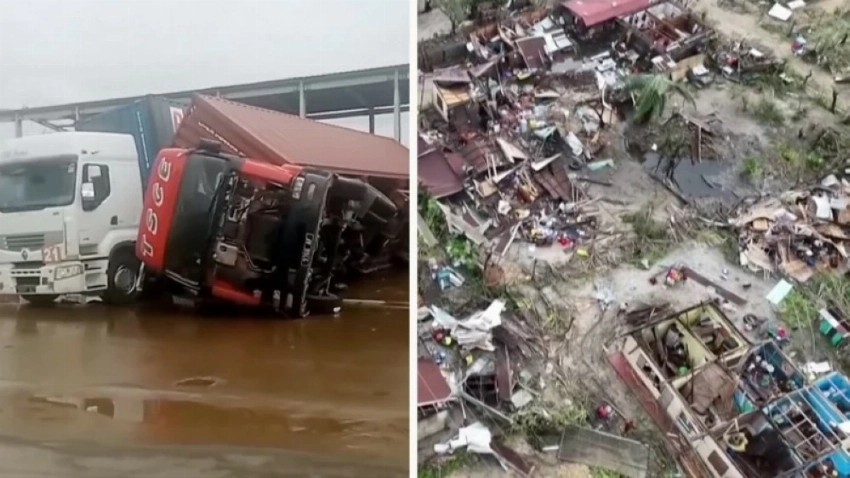
Drone footage posted on social media by the National Crisis and Disaster Prevention Agency showed roofs blown off and trees uprooted as massive flooding hit the east coast city of 400,000 people, about 220 kilometers northeast of the capital Antananarivo.
Tropical Cyclone Gizani has battered Madagascar with ferocious winds and heavy rain, killing at least 31 people and injuring dozens, causing significant human and material losses, according to the latest death toll released by local authorities.
Malagasy authorities said the worst-hit areas were the main port of Toamasina, the country’s largest port, and the eastern commercial center, where scores of houses made of lightweight materials collapsed, entire residential areas were flooded, and infrastructure was extensively damaged.
Initial reports indicate the cyclone completely or partially destroyed more than 1,200 homes, severed major roads, collapsed small bridges, shut down port navigation for days, left tens of thousands of households without power, and caused severe flooding in low-lying and coastal areas.
Declaration of emergency
The central government declared a state of emergency in several areas, and while rescue teams and military operations began searching for survivors and distributing food and medical aid, residents faced acute shortages of clean drinking water and shelter.
Cyclone Gizani was one of the most powerful tropical cyclones to hit the east coast of Madagascar in recent years, with maximum wind speeds of over 180km/h in just 48 hours, and precipitation exceeding 400-600mm in some areas, making landfall in the northeastern part of the island.
Madagascar is located in the southwestern Indian Ocean and is one of the countries most prone to cyclones in the world, experiencing two to five cyclones and severe weather every year during the cyclone season from November to April.
In recent years, the country has experienced repeated climate disasters, including Cyclones Eita and Eba in 2022, which killed more than 150 people, Cyclone Freddie in 2023, which caused extensive damage in southeastern Africa, and Cyclone Chiji in 2024, which caused extensive damage on the east coast.
Footage taken by a drone and shared on social media by the National Risk and Disaster Management Agency showed massive flooding, with roofs blown off and trees uprooted, in the east coast city of 400,000 people, about 220 kilometers northeast of the capital Antananarivo.
