


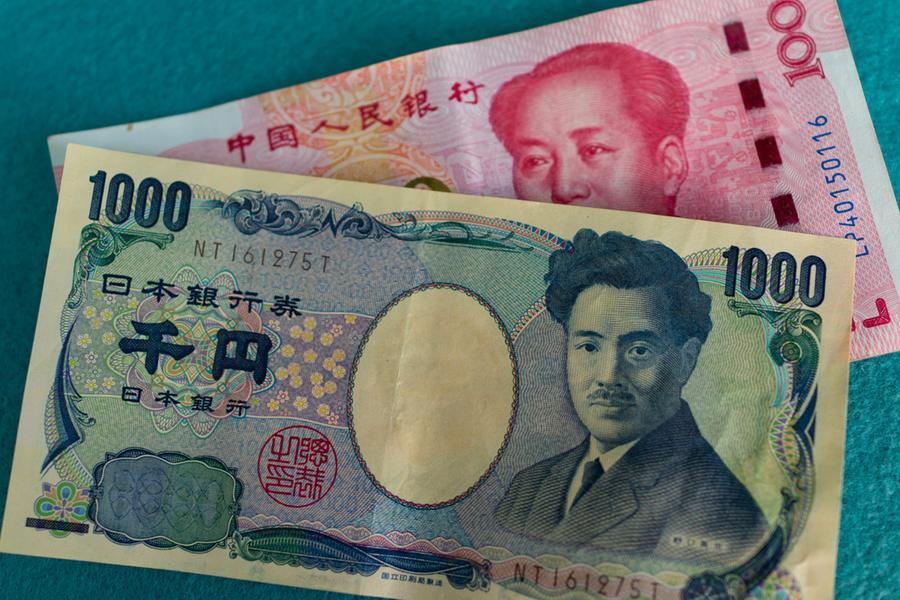
SINGAPORE – The yen’s recovery on Thursday edged up for its biggest weekly gain in more than a year, increasing pressure on the dollar and suggesting a change in mood may be brewing in currency markets.
The yen has appreciated about 2.8% against the dollar since Prime Minister Sanae Takaichi’s Liberal Democratic Party won a landslide victory in Sunday’s general election, and if the momentum sustains through Friday, it would record its biggest weekly gain since November 2024.
After four consecutive sessions of gains, the yen rose to 152.25 yen to the dollar, and last fell just below 153 yen. A break below the 152.05 resistance level would signal a change in momentum for the currency, which has been weakening for years on the back of low interest rates and fiscal concerns.
“Buy Japan,” said Nakamatsuzawa, chief strategist at Nomura Securities in Tokyo, adding that the yen, rather than the euro, is a better bet against a weaker dollar and supports Takaichi’s plan to revitalize the economy.
This is a change from the pre-election pitch, which was fraught with nervousness about how the government plans to fund pro-growth policies.
“Foreigners are buying both stocks and bonds,” Matsuzawa said. “The market is expecting further growth as the government strengthens. Looking ahead to the next 12 months, we may see a stronger yen as well as higher stock prices.” The yen has also appreciated strongly against the cross, gaining more than 2% against the euro so far this week.
According to positioning data, speculators had a small net short yen position as of last week, so the recent rally was likely fueled by the unwinding of some of those bets.
The market expects that the yen’s downside risk will be protected due to the threat of intervention at around 160 yen to the dollar.
dollar pressure
The strong yen is spreading to the world market.
“Given the yen’s strength, there is some downward pressure on the dollar,” said Nick Rees, head of macro research at Monex Securities, noting that this is happening more than expected before Japan’s election.
This week, US economic indicators are also having an impact on the dollar exchange rate. Traders tend to view strong U.S. economic data as a cue to expect broader improvements in the global economy, and as a positive for currencies other than the dollar, so the dollar gained little from the surprisingly strong U.S. labor data.
But Reese said the payroll headlines were likely inflated by temporary factors, such as a rise in construction jobs due to good weather earlier in the month and a higher share of jobs added in health care and social care.
“Even if you strip that out, the underlying job growth across the rest of the U.S. private sector is actually not that surprising,” he said, noting that this cushioned the dollar’s initial rise after the data.
The dollar fell slightly against a basket of currencies on Thursday. U.S. jobless claims numbers are expected to be released later in the day before Friday’s inflation data.
Elsewhere, the Australian dollar weakened as central banks raised interest rates and signaled the possibility of further hikes to fight inflation. It hit a three-year high of $0.7146 on Thursday, but has since fallen slightly. China’s renminbi continued to appreciate significantly and steadily, driven by cash demand during the Lunar New Year. On Thursday, it crossed the crucial $6.90 per dollar mark for the first time in 33 months.
The euro was last up 0.11% against the dollar, and so was the pound, despite data showing the UK economy barely grew in the final quarter of 2025.
