

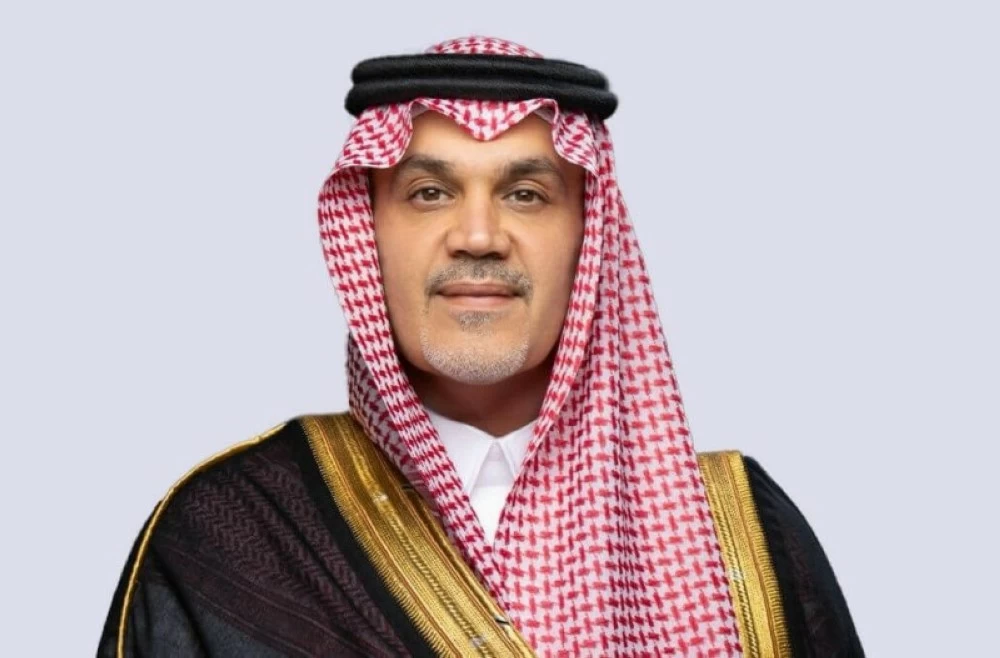
In a move reflecting the leadership’s confidence in the national capabilities honed by major financial institutions, a generous royal decree appointed Fahd bin Abdul Jalil Al-Saif as Minister of Investment, confirming that this appointment is not just a name change, but rather a clear signal of the blood of a “technocracy” with the language of numbers and experience in international markets, with the aim of turning the Kingdom into the region’s first investment center.
Mr. Al Saif’s participation in the investment portfolio was not a coincidence, but rather the result of a long career in the banking and investment sector.
Mr. Al Saif, who holds a bachelor’s degree in information systems from King Fahd University of Petroleum and Mineral Resources, started his career in the private sector, particularly in SABB Bank, where he gained deep experience in financial management and financial markets, which later made him a “challenging taskmaster” in restructuring the Kingdom’s financial debt. Al-Saif moved to the Public Investment Fund (PIF), Saudi Arabia’s most powerful investment arm, to head the Directorate General of Corporate Finance. There, Al-Saif worked at the heart of the Fund’s strategic kitchen, contributing to the development of financing strategies for mega-projects (NEOM, Red Sea, etc.), building bridges of trust with international investors and global financial institutions, and managing the Fund’s cash liquidity to ensure the sustainability of innovative investments.
Mr. Al-Saif is known for his remarkable success as a public debt management expert. In addition to his work as an advisor to the Saudi Minister of Finance, he also worked as CEO of the National Debt Management Center, which enabled him to lead international sukuk and bond offerings with high efficiency, helping to finance the national budget and diversify sources of income, while maintaining the Kingdom’s high credit rating despite fluctuations in the global economy.
Perhaps the most important file on the new minister’s table is attracting foreign direct investment (FDI). This is because, in addition to creating a legal environment and facilitating procedures for domestic and foreign investors, the minister will benefit from his experience in international markets and will be able to increase Saudi Arabia’s attractiveness as a global investment destination. Integration with the Public Investment Fund is also expected, as the Minister’s previous background is expected to provide a better alignment between the Fund’s projects and the investment opportunities presented by the Ministry.
In a move that reflects the leadership’s confidence in the national capabilities honed by major financial institutions, the royal decree appointing Fahd bin Abduljalil Al-Saif as Minister of Investment confirms that the appointment is not just a name change, but a clear sign of an infusion of “technocratic” blood with the language of numbers and international market experience, with the aim of transforming the Kingdom into the region’s leading investment hub.
Mr. Al Saif’s arrival in the investment portfolio was not by chance, but the result of a successful career in the banking and investment sector.
Mr. Al Saif, who holds a bachelor’s degree in information systems from the King Fahd University of Petroleum and Mineral Resources, began his career in the private sector, particularly at SABB Bank, where he gained deep experience in treasure management and financial markets, a career that later made him a “man of difficult tasks” in restructuring the kingdom’s financial debt. Al-Saif moved to the Public Investment Fund (PIF), Saudi Arabia’s most powerful investment arm, where he took up the position of head of corporate finance. There, Al-Saif worked at the heart of the Fund’s strategic kitchen, contributing to the development of financing strategies for mega-projects (NEOM, Red Sea, etc.), building bridges of trust with international investors and global financial institutions, and managing the Fund’s cash liquidity to ensure the sustainability of innovative investments.
Al-Saif is said to have achieved remarkable success as an expert in public debt management. He served as CEO of the National Debt Management Center in addition to working as an advisor to the Saudi Minister of Finance. This enabled Saudi Arabia to lead the issuance of sukuk and international bonds with high efficiency, contributing to the procurement of the national budget and diversification of revenue sources, while maintaining Saudi Arabia’s high credit rating despite global economic fluctuations.
Perhaps the most important item on the new minister’s agenda is attracting foreign direct investment (FDI), where he will use his experience in international markets to enhance the Kingdom’s attractiveness as a global investment destination, as well as work on improving the legislative environment and facilitating procedures for domestic and foreign investors, as well as integrating the Fund’s projects with the Public Investment Fund, which, given his previous experience, is expected to bring greater alignment between the fund’s projects and the investment opportunities presented by the ministry.
