


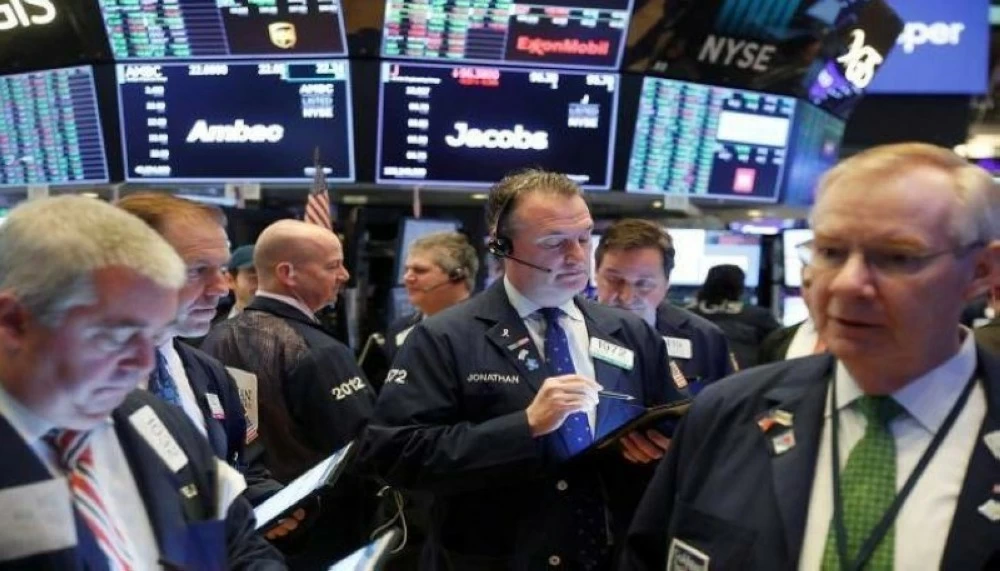
Last week, Wall Street indexes witnessed what appeared to be two contradictory stories. While the industrial sector has soared to alarming levels, technology and financial stocks have come under severe pressure under the weight of accelerating artificial intelligence development and growing concerns about its impact on traditional business models.
This coincided with the release of mixed economic data that deepened the confusion. The S&P 500 managed to rebound slightly after inflation data confirmed expectations for future rate cuts, but this slight improvement was not enough to make up for this week’s losses or reassure investors that the Federal Reserve is prepared to cut interest rates next month.
standard close
In conclusion, although the S&P 500 index was down about 1.4% for the week, the Nasdaq index was down 2%, and the Dow Jones index was down 1.2%, the performance looked different. It reached a record closing price level on Tuesday. According to a report by the CNBC network and reviewed by Arabian Business, the winners of the Dow Jones Industrial Average included Honeywell, while Apple was one of the most notable losers.
selling pressure
As we wait to see if Friday’s gains can hold up into tomorrow’s open, three factors stand out that have moved the market over the past five sessions. Namely, concerns about artificial intelligence plaguing stocks as the financial sector experienced a tough week after the stock came under intense selling pressure following the announcement of one of the platforms for new features in artificial intelligence-powered tax planning that raised concerns about the future of traditional wealth management services. The sharp decline started last Tuesday and continued for two more sessions.
contradictory data
The second is the so-called “Olympic-level rally,” in which the stock prices of major companies continue to perform well, leading to a rise in industry. Some attribute the rise to the declining attractiveness of major technology stocks or the recent strong performance of the U.S. economy.
The third of these factors included contradictory economic indicators that increased interest rate uncertainty, as the economic data released last week did not contribute to a clearer picture about the Fed’s decisions expected next March, but rather confirmed expectations for interest rate stability.
Last week, Wall Street indicators experienced something similar to two conflicting stories. While industrial sectors soared to surprising levels, technology and financial stocks faced intense pressure under the weight of rapid developments in artificial intelligence and growing concerns about its impact on traditional business models.
This coincided with the release of mixed economic data that deepened the confusion. The S&P 500 managed to rebound slightly after inflation data confirmed expectations for future rate cuts, but the bearish improvement wasn’t enough to make up for this week’s losses or reassure investors that the Federal Reserve is prepared to cut interest rates next month.
record close
To summarize, the S&P 500 was down about 1.4% for the week, and the Nasdaq was down 2%. The Dow Jones, on the other hand, had a different performance, albeit down 1.2%. It reached a record closing price level on Tuesday. Al Arabiya Business reported that Dow winners included Honeywell, while Apple was among the notable losers, according to CNBC.
sales pressure
Three factors have influenced the market over the past five sessions as the market waits to see if Friday’s gains continue into tomorrow’s open. One is concerns about artificial intelligence rattling stock prices, raising concerns about the future of traditional wealth management services as the financial sector endured a tough week, with stocks facing intense selling pressure following the announcement of a new AI-assisted tax-saving feature by one of its platforms. The sharp decline started last Tuesday and continued for two more sessions.
contradictory data
The second factor was that the Olympic gathering boosted industry, with the stock prices of major industrial companies continuing to perform impressively during what was dubbed the “Olympic-sized gathering.” Part of this increase can be attributed to the declining attractiveness of major tech stocks or the recent strong performance of the U.S. economy.
The third factor included contradictory economic data that increased interest rate uncertainty, as economic data released last week did not provide a clear picture of the Fed’s decision in March, but rather confirmed expectations that it would keep rates unchanged.
