

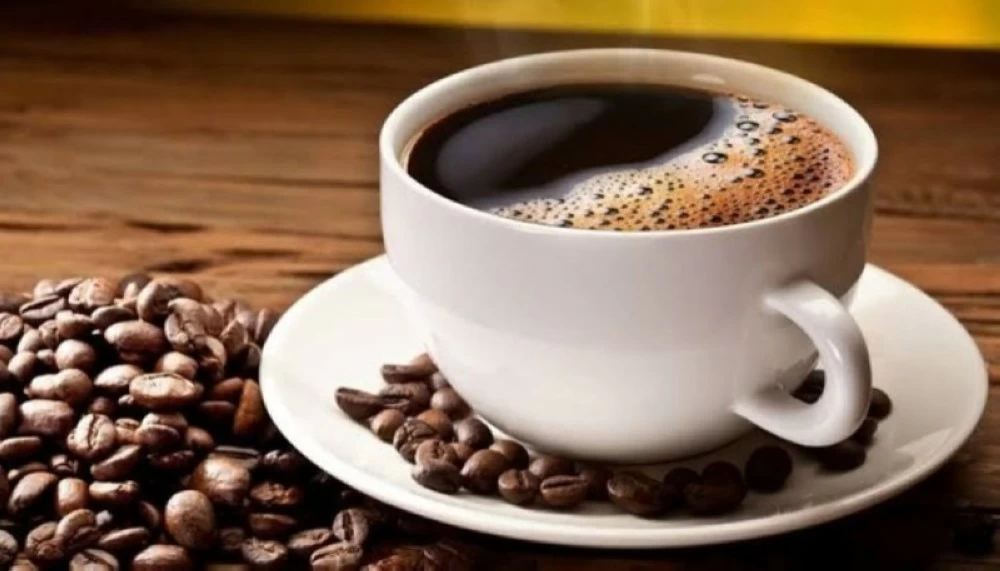
A sharp rise in coffee prices in the US is prompting some consumers to rethink their daily routines, as the morning drink has gone from a fixed habit to an expense that can’t be ignored given the pressures of life.
According to the latest Consumer Price Index data, coffee prices rose 18.3% in January 2026 compared to the same period last year, with prices increasing by about 47% in five years, one of the largest waves of appreciation witnessed by this basic commodity in American consumer culture.
This significant increase has also been reflected in consumer behavior, with some consumers beginning to reduce their visits to cafes, switch to cheaper alternatives, and even quit coffee altogether.
spending priorities
Some consumers say rising prices are forcing them to adjust their daily lives. Instead of regularly going to expensive cafes, many people resort to making coffee at home or drinking cheaper drinks.
The average price of a cup of coffee at a U.S. cafe has reached high levels in several states, forcing some states to reevaluate their spending priorities, according to a report.
Cafes and small businesses that rely on coffee sales are under increasing pressure, as operators struggle with high raw material costs, in some cases limiting profit margins and re-pricing their products, while other consumers are faced with the choice of reducing their beverage consumption or quitting it altogether.
inflation pressure
Part of this pressure is also due to trade policy, with tariffs in previous periods impacting green coffee imports from major producing countries and contributing to higher import costs until some of these tariffs were later amended, but their effects still cast a shadow over prices within the American market.
These changes come as American consumers face widespread inflationary pressures on essential goods, prompting families to reprioritize their daily spending, even on items once considered the simple pleasures of everyday life.
The sharp rise in coffee prices in the United States is prompting some consumers to rethink their daily habits, turning the morning drink from a routine to a cost that’s difficult to ignore amid the pressures of life.
According to the latest Consumer Price Index data, coffee prices in January 2026 will rise 18.3% compared to the same period last year, and prices have increased nearly 47% over the past five years, marking one of the largest waves of price increases for the coffee staple in American consumer culture.
This significant increase is reflected in consumer behavior, with some people cutting back on their visits to cafes, switching to cheaper alternatives, or even stopping drinking coffee altogether.
spending priorities
Some consumers say rising prices are forcing them to adjust their daily lives, with many now making coffee at home or opting for cheaper drinks instead of regularly going to expensive cafes.
The average price of a cup of coffee at a U.S. cafe has reached high levels in several states, forcing some people to re-prioritize their spending, according to a report.
Cafes and small businesses that rely on coffee sales are facing increasing pressure as business owners struggle with rising raw material costs, in some cases leading to compressed profit margins and repriced products, while other consumers face the choice of reducing their coffee consumption or quitting it altogether.
inflation pressure
Part of this pressure also stems from trade policy. Tariffs in the past period have affected green coffee imports from major producing countries and contributed to higher import costs until some of these tariffs were later adjusted, but their impact still impacts prices in the U.S. market.
These changes come as American consumers face widespread inflationary pressures on essential goods, prompting families to reprioritize their daily spending, even on items once considered simple pleasures of daily life.
