


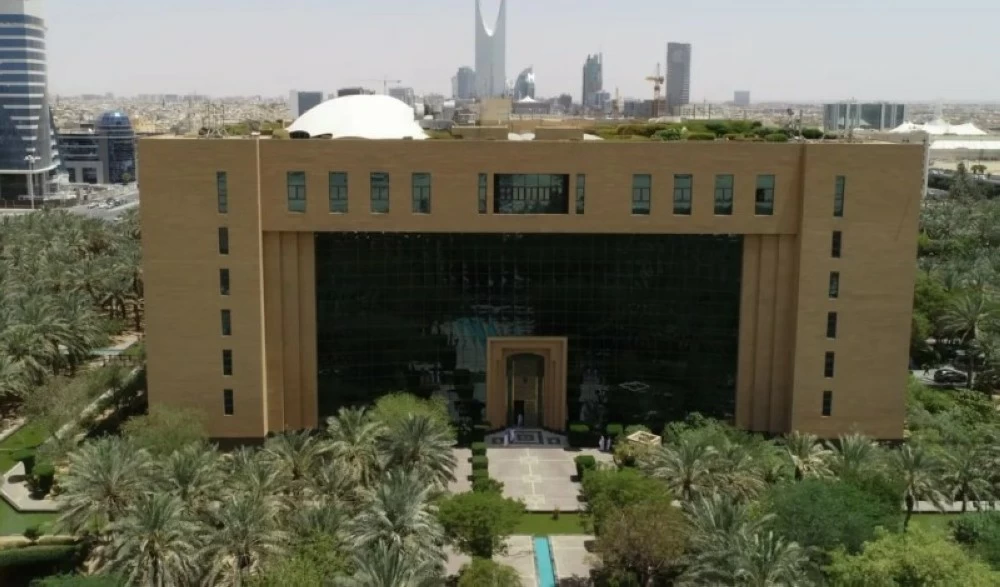
The Ministry of Local Government and Housing, in collaboration with the Eastern Regional Development Authority, launched the first national specialized track to innovate solutions to empower street vendors as part of the Urban Development Hackathon, reflecting the Kingdom’s direction to organize and transform this sector into an organized and sustainable economic activity.
The launch of the path saw the participation of the Ministry’s Street Vendor Support, Development and Empowerment Team, which undertook guidance and arbitration work and guided participants in developing development solutions that integrate urban, technical and marketing aspects. This will contribute to improving the working conditions of street vendors and strengthening their integration into the formal economic system.
This path is an extension of the Ministry-led national role in regulating the street vending sector and empowering the most needy groups by adopting urban innovation and modern technological solutions, increasing the efficiency of spatial organization and improving the quality of life in cities.
The hackathon concluded with the recognition of three teams who presented model solutions aimed at developing work tools for street vendors and creating a more efficient and sustainable operating environment, in line with urban development goals.
Princess Nujood bint Hasloul, General Director of the Ministry’s Street Vendor Support, Development and Empowerment Team, confirmed in a statement that the team is working to take the winning ideas and translate them into applied models on the ground, noting that empowering street vendors goes beyond the regulatory framework and constitutes an investment in innovation and the creation of sustainable employment opportunities that support local economies.
This measure comes as part of the Ministry of Local Government and Housing’s efforts to strengthen integration with relevant authorities, develop qualitative solutions that contribute to building more organized and vibrant cities, and expand opportunities for economic participation of beneficiary groups, in order to achieve the goals of sustainable development and quality of life.
The Ministry of Local Government and Housing, in collaboration with the Eastern Province Development Authority, launched the first national dedicated track to develop innovative solutions to empower street vendors as part of an urban development hackathon. This is a move that reflects Saudi Arabia’s direction to organize and transform the sector into a regulated and sustainable economic activity.
The launch of this track involved the Ministry’s Street Vendor Support, Development and Empowerment Team, who took on a guiding and judgment role, guiding participants to develop development solutions that integrate urban, technical and marketing aspects. Contributes to improving the working conditions of street vendors and facilitating their integration into the formal economic system.
The plan is an extension of the Ministry-led national role to organize the street vending sector, empower the most needy groups, improve the efficiency of spatial organization and improve the quality of life in cities through urban innovation and the adoption of the latest technological solutions.
The hackathon concluded its activities by recognizing three teams that presented exemplary solutions aimed at developing tools for street vendors and preparing a more efficient and sustainable operating environment, in line with urban development goals.
Princess Najood bint Tulour, General Director of the Ministry’s Street Vendor Support, Development and Empowerment Team, confirmed in a statement that the team is working to take the winning ideas and turn them into practical models on the ground, noting that empowering street vendors goes beyond regulation and means investing in innovation and creating sustainable employment opportunities that support local economies.
This measure comes as part of the Ministry of Local Government and Housing’s efforts to strengthen integration with relevant organizations, develop qualitative solutions that contribute to building more organized and vibrant cities, and expand economic participation opportunities for beneficiary groups, thereby achieving sustainable development goals and quality of life.
