

The Saudi government on Tuesday condemned Israel’s decision to declare land in the West Bank “state land.”
The Cabinet reiterated its absolute rejection of these illegal measures, warning that they undermine peace efforts and violate the inherent right of the Palestinian people to establish an independent and sovereign state within its 1967 borders, with East Jerusalem as its capital.
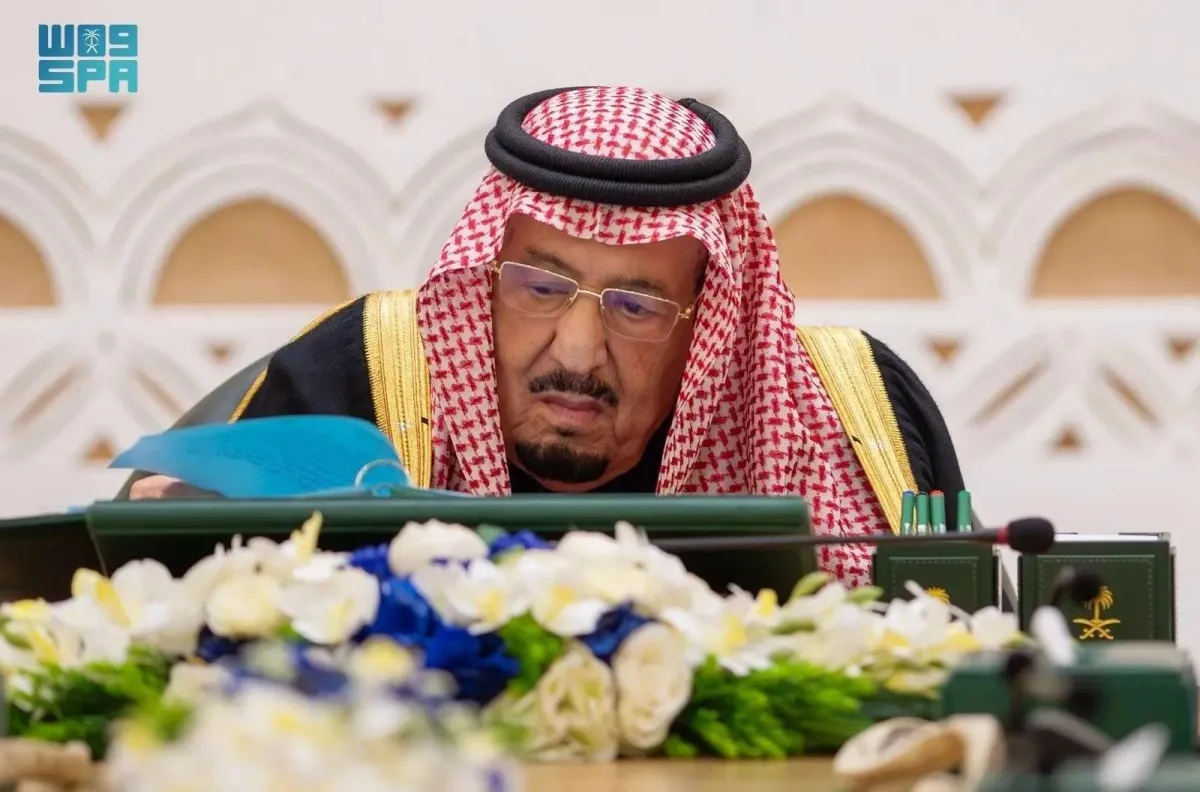
Custodian of the Two Holy Mosques, King Salman bin Abdulaziz Al Saud, chaired the cabinet meeting in Riyadh.
The Cabinet congratulated the people and Muslims on the arrival of the holy month of Ramadan and expressed gratitude for the Kingdom’s honor in caring for the Two Holy Mosques and their visitors.
The Cabinet highlighted the success of the Hajj and Umrah season, noting that Saudi Arabia welcomed 19.5 million international pilgrims and Umrah performers in 2025, setting a new record reflecting rapid progress towards Vision 2030 and the goals of the Hajj Experience Program.
The Cabinet said the celebration of National Day on February 22 is an expression of pride in the almost three-century history of the Saudi state and emphasizes the foundations of justice, unity and development established by its leaders and people throughout history to ensure that the Kingdom remains a global leader in all fields.
The Cabinet was briefed on recent consultations between Saudi Arabia and various countries focused on strengthening bilateral and multilateral cooperation and fostering coordination to promote regional and international security, stability and prosperity.
The session further reviewed Saudi economic, cultural and social activities and highlighted the country’s commitment to social solidarity and giving. This includes continued support for the 6th Annual Philanthropy National Campaign, which is scheduled to begin on Friday.
The Cabinet commended the success of the 3rd World Defense Show held in Riyadh under the auspices of the Custodian of the Two Holy Mosques, during which strategic partnerships, agreements and memorandums of understanding were signed aimed at localizing military technology and strengthening local supply chains in line with Vision 2030 goals.
