

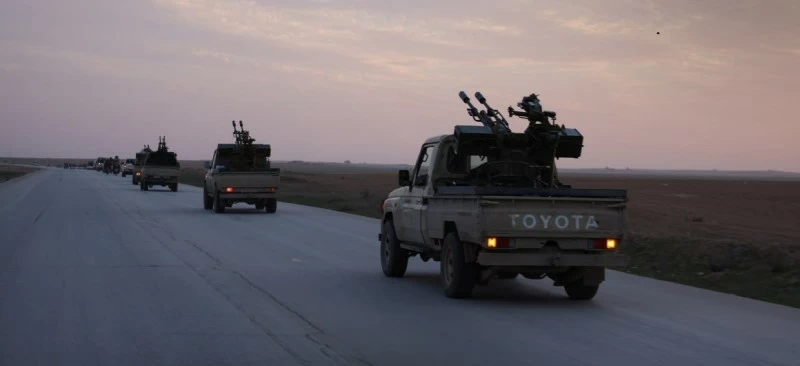
Syria ended the first months of 2026 with significant sectoral and political changes. It was the closure of the Syrian Democratic Forces’ (SDF) record of operations following military clashes east of the Euphrates that rewrote the map. The region has long been considered a red line in the American sphere of influence that government forces cannot cross, but the equation has broken down on the ground, revealing that legal legitimacy is Damascus’ strongest domestic card. Despite the intervention of many international powers in Syria’s affairs, the conflict continues.
Resolve character conflicts
The region east of the Euphrates emerges from this account, where the Syrian army took control of Deir Ezzor and Raqqa provinces, as well as parts of al-Hasakah province, as part of a settlement that ended the SDF’s regional and economic role and limited its operations to narrowly Kurdish areas, its supporters themselves preferring to be called the People’s Protection Units rather than the Syrian Democratic Forces. The latter is the result of the ideas of the late US senator John McCain, who proposed the formation of a multinational mixed military that would be at the core of major changes in the region and a break from the circle of non-coexistence experiences in the region.
The recent rapprochement between Damascus and the SDF was more international than domestic, leaving al-Hasakah with a local administration and security arrangement with a Kurdish governor and continued presence of local security forces. While it reflected a desire to avoid comprehensive conflict, it also ended the long-standing reality that the SDF had a role in controlling the sensitive economic community of eastern Kurdistan beyond Kurdish geography. This development closes a chapter that has long occupied Syria’s political debates both at home and abroad.
The repeated talk of dividing the country, disengaging wealth from central control, and losing the nation’s ability to manage resources is no longer sustainable.
Successful reconciliation with the Kurds
The new reality brings fundamental geography and its associated resources within the scope of decisions made in Damascus, ending the phase of linking economic and livelihood crises to uncontrollable factors.
In this context, 2026 begins differently. This is no longer a year to manage open fronts or deplete resources in protracted military conflicts, but rather a year in which internal files take precedence over everything else. The issues raised today are directly related to the functioning of the state and its ability to provide its citizens with a minimum standard of living and stability of services after the security threat has receded in accordance with the crisis schedule. If reconciliation with the Kurds is successful and it becomes part of the country’s political management, Suwayda will be the only file left, but this will have less impact on the course of the situation in Syria than the SDF file.
take back the keys to the economy
Reconstruction of Deir Ezzor and Raqqa essentially means restoring key economic keys, primarily oil, agriculture, and domestic transport links. This reality has forced the Syrian government to shift from discussing the crisis to discussing the regime, and from explaining imbalances to addressing problems. Resources, no matter how limited, present a direct challenge to authorities in how they are managed and how their revenues are distributed.
The stakes in the next stage are on performance. Syrians, who have lived for years under the burden of declining services and rising prices, are now watching to see whether the restoration of control will be reflected in their daily lives or whether it will remain a political event with no economic impact.
Power, fuel, daily necessities, and income levels are better indicators of the seriousness of this arena than any political debate. The current situation also calls for a redefinition of the relationship between state and society. Once geographic fragmentation recedes, issues of good governance and improved organizational efficiency are at the top of the list of priorities. Without this, the return of geography itself will remain a wasted event, and its impact on people’s lives will be incomplete. Indeed, the signs of social responsibility that will be called into question in the coming days and weeks are particularly clear when it comes to the simple formula of salary and income on the one hand, and just the electricity bill on the other. On the other hand, the industrial sector in Aleppo and Damascus is deteriorating, especially due to the ease of importing and entering the country for foreign products, while at the same time Syrian citizens are dissatisfied with the local industry, its poor quality and unreasonable prices compared to foreign industry. The whole scene is a series of intertwined crises that have put Damascus in a worthy position to provide answers, declare the extent of its capacity to deal with them, and speak openly about reforms that will be painful for its people. Today, the Syrian government is in the public eye and can no longer blame its failures on external forces or de facto authorities. Responsibility is now more direct, and the public’s expectations are focused on quick and concrete improvements that impact daily life, from the cleanliness of streets to the safety of people’s lives, albeit modest ones.
According to this scene, 2026 appears to be the year of the divide between the two stages. This is the stage when the logic of war and crisis management prevails, and the test of governance and administration should begin. The success of this test will not be measured by what is achieved on the ground, but by what can be achieved economically and socially. Therefore, the situation in Syria today is a service economy, with clear results on the ground, but at the same time this requires international support, full-scale implementation of the Caesar Act, and the return of foreign and Arab investment to Syria. In this regard, Saudi Arabia is the first country to sign an agreement based on understandings in energy, communications and other areas expected in the coming period, and hopes that this will also apply to other countries. This also requires greater security in Syria, which poses the first challenge to the economic wheels.
Syria ended the first months of 2026 with significant military and political changes. This is exemplified by the closing of records of the Syrian Democratic Forces (SDF)’s activities following the map-changing military clashes in the eastern Euphrates, an area that has long been considered a US military sphere of influence and a red line that the government cannot cross. However, this equation has broken down on the ground, and it has become clear that legal legitimacy is Damascus’s strongest card domestically in any conflict, despite the involvement of many international powers in the Syrian issue.
End of conflict description
From this account, it becomes clear that the eastern Euphrates region was confined to a narrow Kurdish area, with the Syrian army controlling Deir Ezzor, Raqqa, and parts of al-Hasakah province, ending the regional and economic role of the SDF within the settlements. Even its supporters have begun to prefer calling it the People’s Protection Units rather than the Syrian Democratic Forces. The latter is the result of the idea of the late US senator John McCain, who proposed the formation of a mixed multinational force as the core of significant regional transformation and a departure from the region’s experiment with non-coexistence.
The recent rapprochement between Damascus and the SDF is more international than domestic, with al-Hasakah placed under a local administrative and security arrangement with a Kurdish governor and continued presence of local security forces, reflecting a desire to avoid comprehensive conflict. But it also ended the years-old reality that the SDF had delicate economic influence in eastern Syria beyond Kurdish geography. This development closes a chapter that has long dominated Syria’s political debate at home and abroad.
The repeated talk of country fragmentation, loss of resources from central control, and lack of national resource management capacity is no longer sustainable.
Successful reconciliation with the Kurds
The new reality places core geographies and their resources within Damascus’s decision-making purview, ending the phase of linking economic and livelihood crises to uncontrollable factors.
In this context, 2026 comes in with a different letter. This is no longer a year to manage open fronts or deplete resources in protracted military conflicts, but rather a year in which internal files should be prioritized over other files. The issues raised today are directly related to the functioning of the state and its ability to provide its citizens with a minimum level of stability in life and services after the security threat has been reduced according to the crisis schedule. If reconciliation with the Kurds is successful and it becomes part of the country’s political management, Suwayda will be the only file left, but compared to the weight of the SDF file, it will have no impact on the course of the situation in Syria.
take back the keys to the economy
The reconstruction of Deir Ezzor and Raqqa essentially means regaining key economic tools, primarily oil, agriculture, and internal transport links. This reality forces the Syrian government to shift from crisis discussions to administrative discussions, and from interpreting imbalances to addressing problems. Resources, however limited, are subject to authority before they are directly tested in how they are managed and how their benefits are distributed.
Bets on the next stage will depend on the performance of the Syrian people, who have lived for years under the burden of declining services and rising prices, and are now focused on whether regaining control will be reflected in daily life or remain a political event with no economic impact.
Power, fuel, necessities and income levels are better indicators of the severity of this stage than any political debate. The current situation also calls for a redefinition of the relationship between state and society. Once geographic divisions have been eliminated, issues of good governance and increasing organizational efficiency have risen to the forefront of priorities. Without this, the return of geography itself will remain a futile event, and its impact will not be fully reflected in people’s lives. Indeed, social responsibility will be called into question in the coming days and weeks, and the signs are clear, especially when it comes to simple formulas: salaries and incomes on the one hand, and electricity bills on the other. Meanwhile, in Aleppo and Damascus, the industrial sector is deteriorating, especially due to the ease of imports and the influx of foreign products, while at the same time Syrians are dissatisfied with local industry, poor quality, and unfair prices compared to foreign products. The whole situation is a series of intertwined crises, and perhaps Damascus now faces an obligation to honestly discuss reforms that are painful to its people, as well as to declare that it has the capacity to answer and address these questions. The Syrian government is now under public scrutiny and it is no longer possible to blame failures on external forces or de facto authorities. Responsibility is now more direct, and the public expects us to quickly make small but concrete improvements that impact our daily lives, from the cleanliness of our streets to the safety of our lives.
According to this scene, 2026 appears to be the decisive year between the two stages. One phase is dominated by the logic of war and crisis management, and the other phase is said to test the success of governance and administration. The success of this test will not be measured by what is achieved on the ground, but by what can be achieved economically and socially. Thus, while the current situation in Syria is an economic service that is producing clear results on the ground, it also requires international support, the effective implementation of the Caesar Act, and the return of foreign and Arab investment to the Syrian interior. In this context, Saudi Arabia is the first country to sign an agreement that goes beyond understanding in energy, communications and other areas expected in the future, and hopes that this will be extended to other countries, which will also require greater security in Syria, which has become a major challenge for the economy.
