

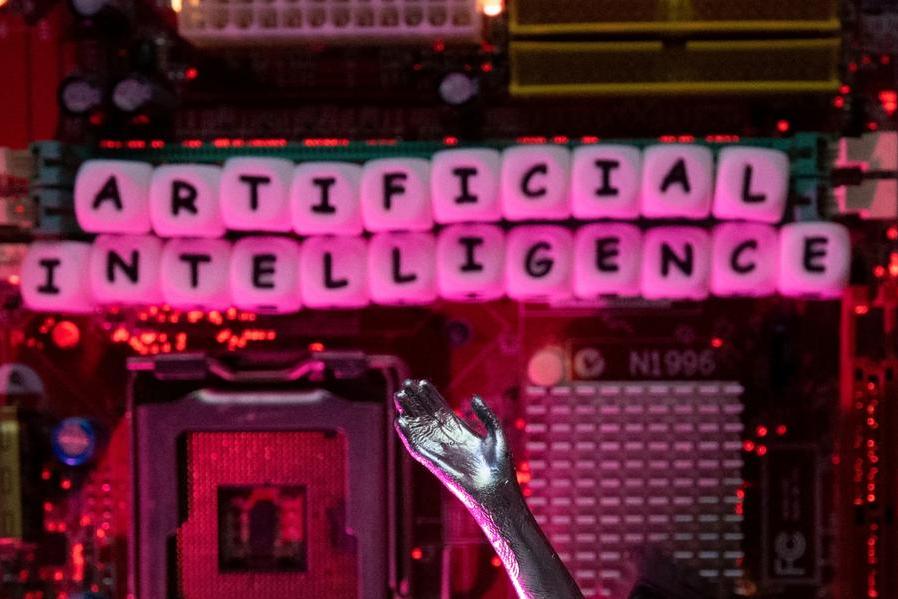
San Francisco Fed President Mary Daly said Thursday she feels monetary policy is where it needs to be as the central bank tries to figure out when and if the productivity gains from artificial intelligence could shape what future interest rates should look like.
“Price stability and full employment both seem to be in good shape in our country, and policy is in good shape,” Daley said in a livestreamed conversation with former Dallas Fed President Robert Kaplan. “And we now have an opportunity to think through what information is coming in, what impact AI will have, how productivity will evolve, how demand strength will evolve, and how we should manage policy going forward.”
The Fed last month kept interest rates unchanged at a range of 3.50% to 3.75%, after cutting them by three-quarters of a percentage point last year to shore up a weakening labor market. Daley previously said he supported the decision.
Companies are increasing their use of technology, including AI, which should help ease inflation, he said. Meanwhile, companies’ uncertainty about how AI will impact future talent demand is holding back hiring, he said.
And while some analysts, and even some Fed policymakers, feel the U.S. economy is on track to AI-driven productivity gains that will allow for faster economic growth without causing inflation, Daly feels the jury is still out.
“We don’t want to get too ahead of ourselves in reining in an economy where productivity could plummet, but we also don’t want to get so excited about productivity that we forget that we actually have inflation that is above target,” he said. “And that’s the balance of what I think is really going to be mainstream this year and next year.”
Daley reiterated Thursday that he is hearing cautious optimism from businesses and expects inflation, currently above the Fed’s 2% target, to “continue to decline as housing services (inflation) continues to decline, tariffs continue to linger and are lifted, and the labor market remains just stable, not too hot or too cold.” (Reporting by Ann Safir; Editing by Chris Rees)
