


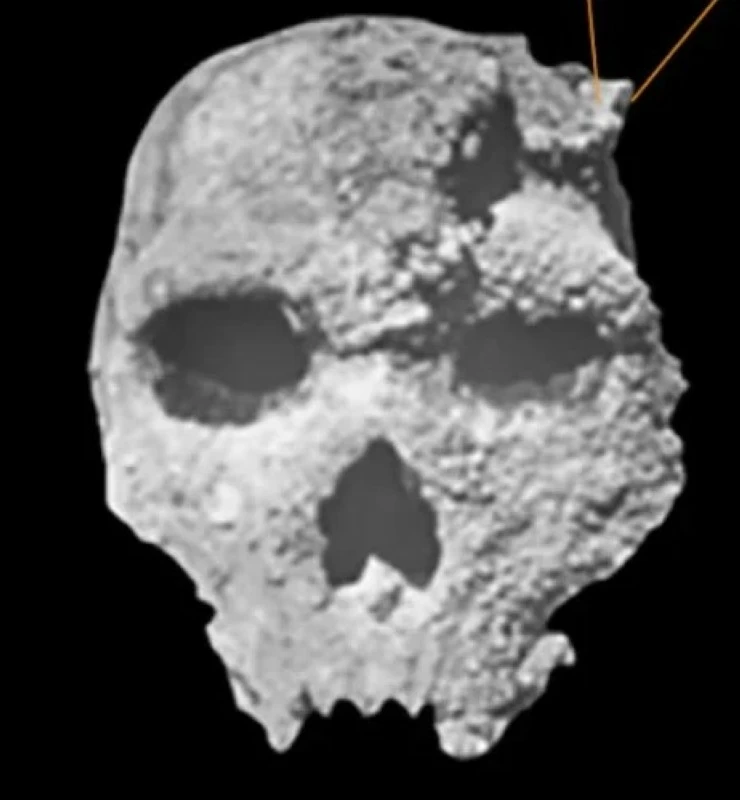
A recent scientific study sparked widespread controversy among anthropologists and human evolution scientists after a recent scientific study determined that the skull of Petralona 1, discovered in 1960 in the Petralona Cave in northern Greece, was 286,000 years old, with an error of at least 9,000 years, using uranium series dating of the calcite layer that directly covered the skull.
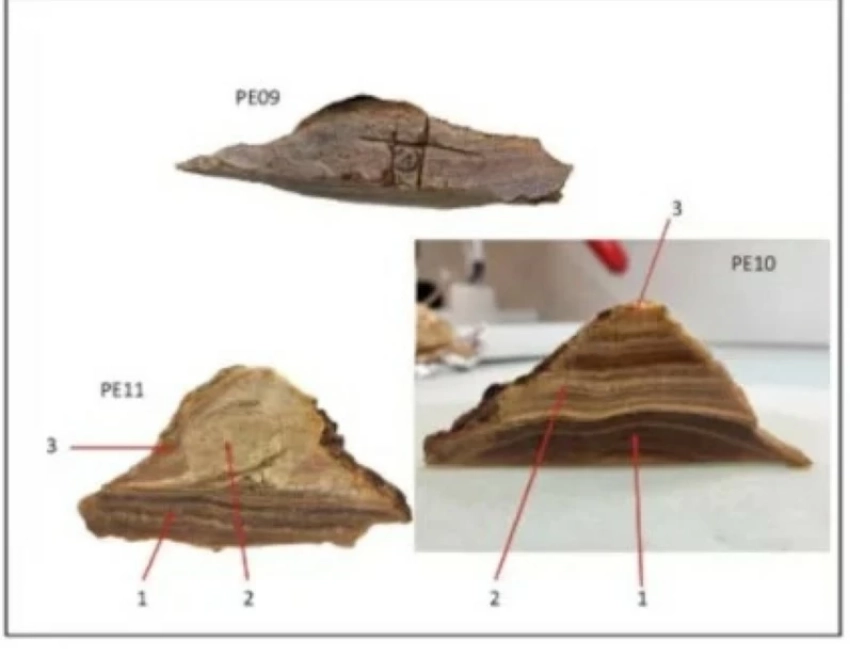
The study, led by French researcher Christophe Valger from the Institute of Paleoanthropology in Paris and published in the journal Human Evolution in 2025, confirmed that growth of the inner layers of calcite began at least about 286,000 years ago. This means that the skull itself is older than that date, and could reach more than 300,000 years if the growth of the layers is delayed.
Characteristics do not match known species
Although this skull is characterized by a powerful, massive structure with thick, prominent eyebrows, and a relatively large cranial volume, it does not fully match the features of Homo sapiens or Neanderthals, and it shows a striking similarity to the approximately 300,000-year-old Kabwe skull found in Zambia, which generally places it in the broad group of primitive forms of the Middle Pleistocene.
Despite previous attempts to classify it as Homo heidelbergii or Homo erectus, the research team, which includes experts from France, Britain, Greece and China, believes the skull represents a more primitive, distinct group that lived in Europe and coexisted without necessarily assimilating with the lineage that would later evolve into Neanderthals.
Skull discovery date
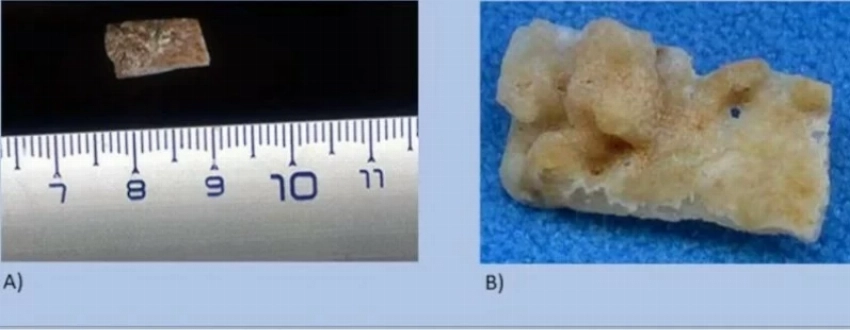
This skull was discovered in 1960 in the Petralona Cave near Thessaloniki. Dating it was difficult for decades because it was attached to the cave wall and covered with a thick layer of calcite (travertine). Previous estimates put it between 170,000 and 700,000 years ago, and its place in the human evolutionary tree has been hotly debated.
This accurate dating is an important step, as it places the skull in a clear chronological context of the Middle Pleistocene, approximately 780,000 to 130,000 years ago. During this period, human species diversified greatly in Europe and Africa, with several lineages coexisting, including Homo heidelbergi and even transitional forms between Homo erectus and Neanderthals.
A recent scientific study has sparked widespread debate among anthropologists and experts in human evolution after an international team determined the age of the Petralona 1 skull, discovered in 1960 in the Petralona Cave in northern Greece, to be 286,000 years old, with a minimum margin of error of plus or minus 9,000 years, using uranium-series dating on the calcite layer that directly covered the skull.
The study, led by French researcher Christophe Farguerre of the Institute of Human Paleontology in Paris and published in the journal Human Evolution in 2025, confirmed that growth of the inner calcite layer began at least 286,000 years ago. This means that the skull itself is older than that date, potentially reaching nearly 300,000 years or even more if the growth of the layers is delayed.
Characteristics not consistent with known species
The skull is characterized by a strong, massive structure with a prominent thick brow ridge and relatively large cranial capacity, but it does not fully match the characteristics of Homo sapiens or Neanderthals. It also shows striking similarities to the Kabwe skull found in Zambia, which dates to about 300,000 years ago and is generally classified as a broadly primitive form of the Middle Pleistocene.
Despite previous attempts to classify it as Homo heidelbergensis or Homo erectus, the research team, which includes experts from France, Britain, Greece and China, believes the skull represents a more primitive, distinct group that lived in Europe and coexisted without necessarily merging with the lineage that would later evolve into Neanderthals.
History of skull discovery
The skull, discovered in 1960 in the Petralona Cave near Thessaloniki, was difficult to date for decades because it was attached to a cave wall and covered with a thick layer of calcite (travertine). Previous estimates have put it between 170,000 and 700,000 years, and debate about its place in the human evolutionary tree continues to be heated.
This accurate dating is considered an important step, as it places the skull in a clear chronological context of the Middle Pleistocene, approximately 780,000 to 130,000 years ago. This was a period of significant human diversification in Europe and Africa, with several lineages coexisting, including Homo heidelbergensis and even a transitional form between Homo erectus and Neanderthals.
