


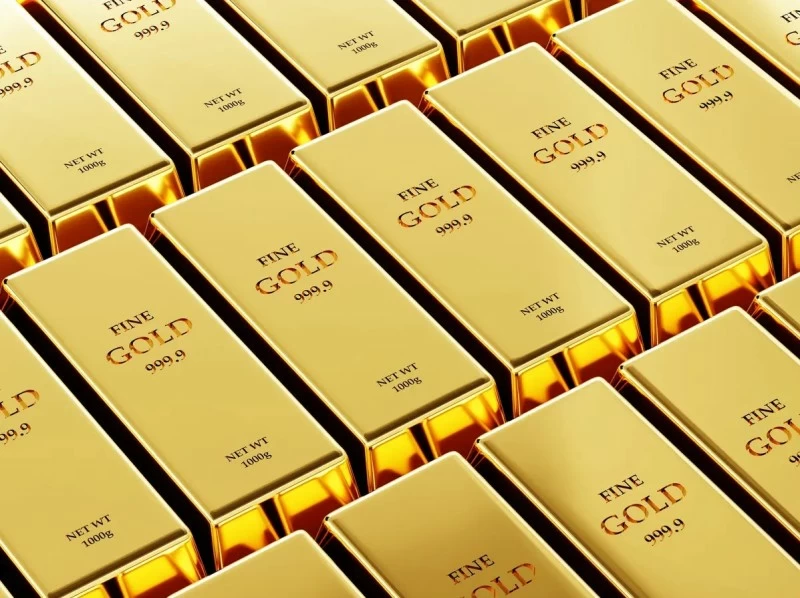
Russia’s central bank has sold some of its gold reserves, taking advantage of the rise in prices to record levels.
The country’s gold holdings fell by 300,000 ounces to 74.5 million ounces, the process marking the first decline in gold reserves since October, according to data released by the Bank of Russia.
Gold prices averaged $4,700 per ounce in January. This indicates that a sale at this price could generate approximately $1.4 billion within the budget.
The Bank of Russia began withdrawing money from its reserves last year as part of a so-called “simulation” operation related to the Ministry of Finance’s sale of National Welfare Fund assets.
The ministry disbursed 419 billion rubles ($5.5 billion) from the fund in the first two months of 2025, selling gold and foreign currency to offset falling oil and gas revenues as the budget deficit widened.
Despite the sale, the value of Russia’s gold reserves rose 23% in January to $402.7 billion due to rising prices.
Russia’s central bank has sold some of its gold reserves, benefiting from the rise in prices to record levels.
Russia’s gold holdings fell by 300,000 ounces to 74.5 million ounces, the first decline in gold reserves since October, according to data released by the Bank of Russia.
The average gold price in January reached $4,700 per ounce, indicating that sales at this price could generate around $1.4 billion within the budget.
The Bank of Russia began withdrawing money from its reserves last year as part of a so-called “simulation” operation related to the Ministry of Finance’s sale of National Welfare Fund assets.
The ministry raised 419 billion rubles ($5.5 billion) from the fund in the first two months of 2025, spending gold and foreign currency to offset falling oil and gas revenues amid a widening budget deficit.
Despite the sale, the value of Russia’s gold reserves rose 23% in January to $402.7 billion due to rising prices.
