


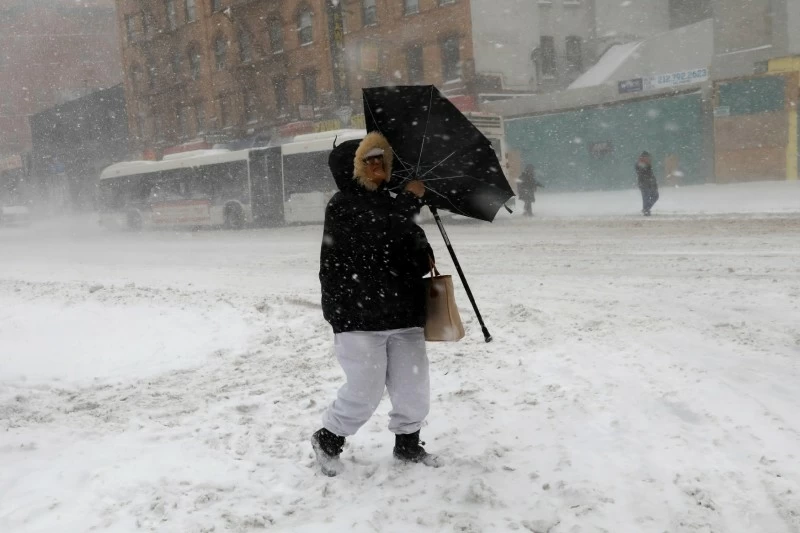
The Mid-Atlantic region and northeastern United States are preparing to face one of the strongest winter storms in years. The National Weather Service is warning of the approach of powerful storm Nour Easter, which will hit the region from today (Sunday) and continue into Monday, bringing massive amounts of snow, strong winds and blizzards that will reach “hurricane” levels in some areas.
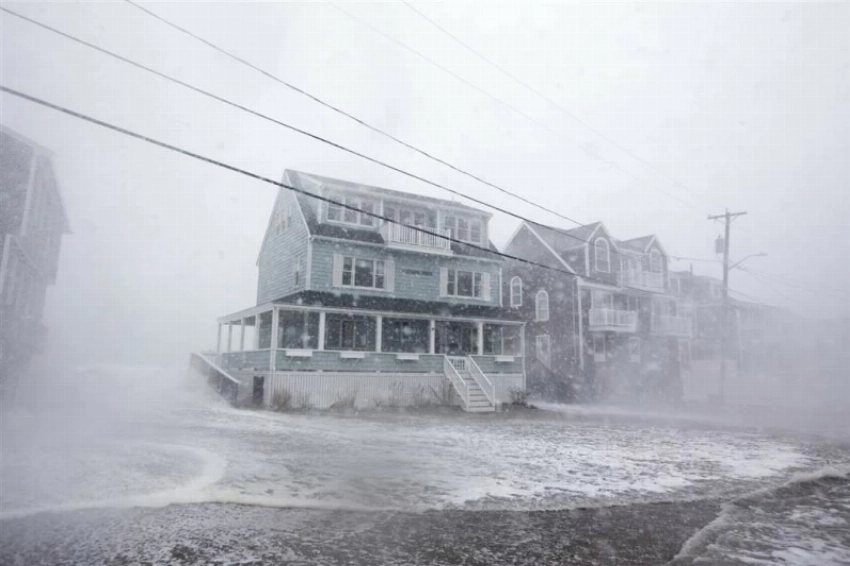
According to the latest information from the Weather Prediction Center, 30 to 60 centimeters of snow is expected in many areas, especially southern New York, Connecticut and Massachusetts, with localized precipitation expected in eastern Pennsylvania and coastal New England.
In some coastal areas near the ocean, snowfall amounts can exceed 60 centimeters and snowfall rates sometimes reach 2 to 4 centimeters per hour, increasing the likelihood of heavy snow storms where winds and blowing snow can reduce visibility to less than 400 meters.
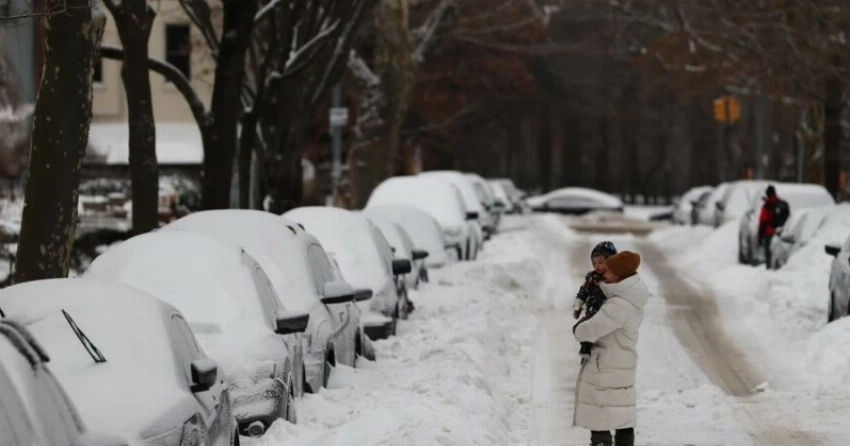
Official warnings said strong northeast winds at some points along the coast could exceed 80 to 110 km/h (80-110 km/h) and wet snow that had piled up on trees and power lines could cause widespread power outages, as well as moderate to severe coastal flooding during high tide over the next two days.
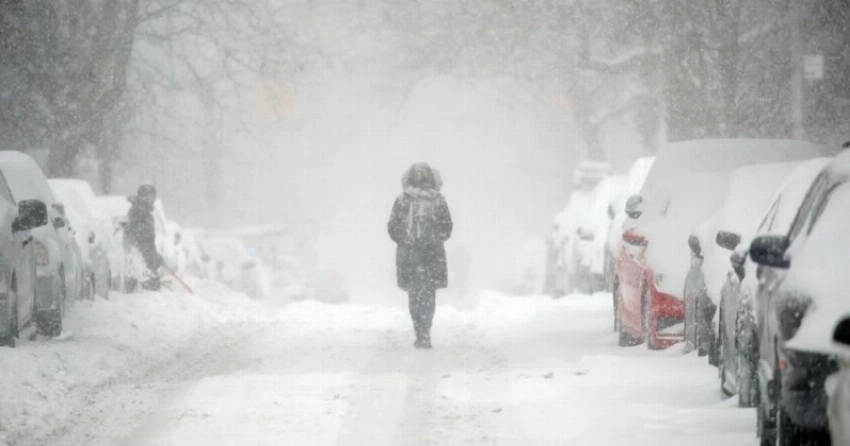
U.S. officials predicted the storm would affect about 100 million people, from Washington, D.C., through Baltimore, Philadelphia and New York, to Boston and parts of New England.
The National Weather Service issued a severe snowstorm warning for a wide area, including New York, Long Island, New Jersey and parts of Delaware, in addition to a winter storm warning covering much of the region.
Northeast storms are a common winter phenomenon along the East Coast of the United States. A strong low pressure system forms off the Atlantic coast and moves north, resulting in a combination of cold air from the north and abundant moisture from the Atlantic Ocean.
This type of storm often produces heavy snow and strong winds and is more dangerous. This storm is considered one of the most impactful phenomena in North America’s densely populated urban areas, as it disrupts traffic, closes schools and airports, and cuts off electricity to millions of people.
The Mid-Atlantic region and northeastern United States are preparing to face one of the strongest winter storms in recent years, as the National Weather Service warns of the approach of a powerful “nor’easter” storm that will hit the region today (Sunday) and continue into Monday, bringing massive amounts of snow, ferocious winds, and blizzard conditions reaching “hurricane” levels in some areas.
Snow amounts are expected to range from 30 to 60 centimeters in many areas, particularly southern New York, Connecticut and Massachusetts, with locally higher amounts expected in eastern Pennsylvania and parts of the New England coast, according to the latest information from the Weather Prediction Center.
In some coastal areas and areas near the ocean, snowfall can exceed 60 centimeters, and snowfall can reach 2 to 4 centimeters per hour. As a result, severe snowstorm conditions are likely, with wind and blowing snow reducing visibility to less than 400 meters.
Official warnings said strong northeasterly winds could exceed 80-110 km/h (80-110 km/h) at some points along the coast, causing widespread power outages as wet snow piled up on trees and power lines, and moderate to severe coastal flooding during high tide over the next two days.
U.S. officials predict that about 100 million people will be affected by the storm, from Washington, D.C., through Baltimore, Philadelphia and New York, to Boston and parts of New England.
The National Weather Service issued a severe snowstorm warning for a wide area, including New York, Long Island, New Jersey and parts of Delaware, and a winter storm warning for most of the region.
Northeast storms are a common winter phenomenon on the East Coast of the United States when a strong low-pressure system forms off the Atlantic coast and moves northward, combining with cold air from the north and abundant moisture from the Atlantic Ocean.
These types of storms often produce heavy snow and strong winds, increasing the danger. The storm is considered one of the most impactful phenomena in North America’s densely populated urban areas, leading to traffic disruptions, school and airport closures, and power outages for millions of people.
