

The Kingdom of Saudi Arabia’s real estate sector is undergoing a remarkable transformation with the convergence of three major developments: the implementation of a new foreign property ownership law, the move to digitize real estate assets in Makkah and Madinah through real estate tokenization, and the expansion of youth-focused financing solutions.
Experts believe this adjustment represents more than just a regulatory update. It indicates that the market is moving to a more mature and stable stage.
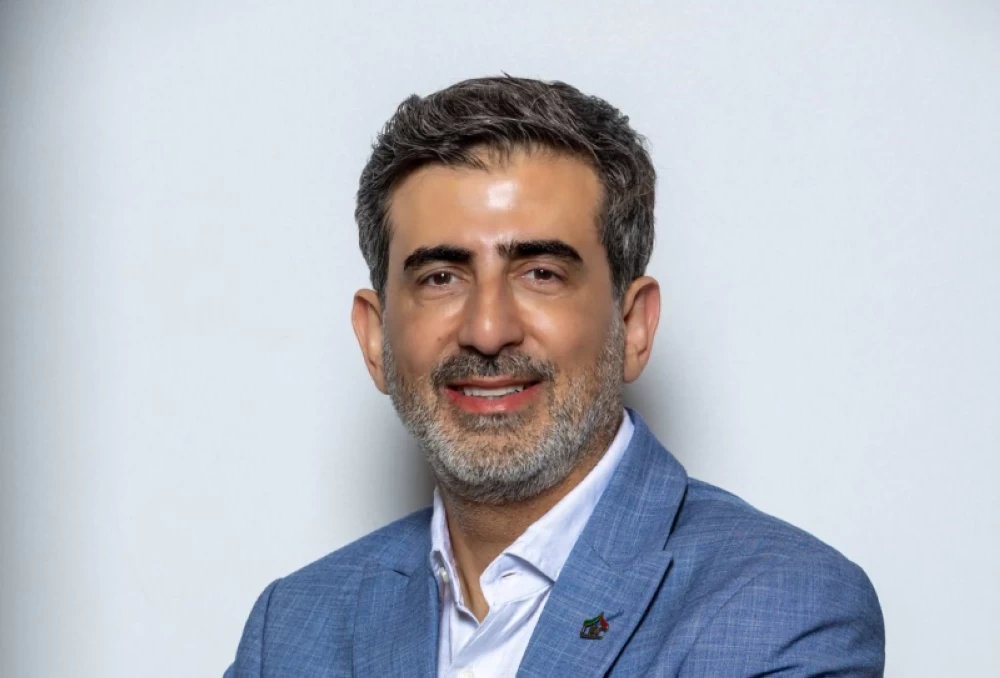
In this context, investment expert Sameer Shoukair described this change as a “stage of strategic maturation of the real estate market” and emphasized that “the integration of these three avenues will redesign the investment environment and create a comprehensive economic ecosystem that supports sustainable growth and diverse opportunities.”
Foreign ownership: From temporary stay to sustainable partnership
The launch of the foreign ownership regime marks a structural shift in real estate demand, moving from a temporary residence model to a more stable model centered on asset ownership within the national economy. This transition is expected to have a positive impact on the sector’s liquidity levels and long-term investment volumes.
Samer Schukeer points out that this change “transforms the economic relationship between investors, residents and the world’s talent from a transitory entity to a sustainable development partnership.”
He explains that allowing these groups to own real estate “contributes to localizing wealth and converting cash flows into fixed national assets that support non-oil GDP.” Economically, the effects of ownership extend beyond the transaction amount. It spans multiple sectors, including construction, building materials, finance, insurance, facility management, and services.
Choucair describes this as a “multiplier effect”, explaining that “every riyal injected into the purchase of a home circulates within the economy, creating a wider range of activities and direct and indirect employment opportunities.”
What does this mean for the nation?
Increased activity in these sectors will lead to greater employment opportunities and improved quality of supply due to increased competition.
What does this mean for investors?
Deeper, more stable markets with legal clarity that reduces risks in the medium term.
Tokenization of the two holy cities: digitalization opens new horizons
In parallel, the move to open real estate tokenization markets in Mecca and Madinah represents a qualitative leap forward in real estate technology. This approach is based on digitizing assets and making them easier to use and own through regulated digital platforms.
Summer Shoukair believes that this move will put Saudi Arabia among the world’s most experienced leaders in real estate technology. He stressed that digitizing assets in the Two Holy Mosques will “open the door to the flow of high-quality Islamic capital that has been seeking transparent and secure investment channels in the vicinity of the Two Holy Mosques.” He added that this direction will increase the economic viability of existing and future mega-projects by expanding the investor base and facilitating access to real estate investments within a clear regulatory framework.
Related articles
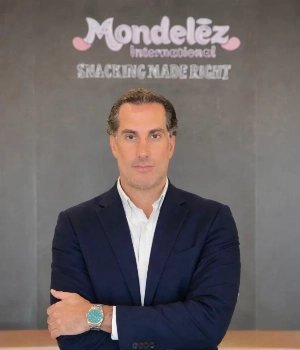
Mondelēz International appoints Ziad Abra as Managing Director of Saudi Arabia operations
What does this mean for investors?
Greater flexibility in market access, along with higher levels of transparency and governance.
What does this mean for the market?
Diversifying investment vehicles and reducing dependence on traditional models.
Youth financing: changing demand and redefining products
In response to evolving housing demand patterns, coupled with legal and technological changes, lending solutions are increasingly targeting younger demographics. This generation is now prioritizing quality of life and integrated communities over unit size and traditional housing models.
Choucair acknowledged that “the momentum led by real estate development funds reflects an accurate reading of the changing demands of the Vision Generation,” which is “leaning toward smart, integrated housing communities rather than high-cost units with limited long-term value.”
This shift is driving the market towards the development of new real estate products such as vertical cities and smart complexes, while accelerating off-plan sales projects.
Competing not only on price but also on quality
As the demand base expands and investment tools diversify, improving the quality of supply becomes increasingly important. Choucair stressed that to meet growing demand, “we need to attract developers with world-class expertise in building modern cities,” adding that the foreign ownership regime “will contribute to increasing the quality of products and creating healthy competition that will lead to price stability.”
big picture
The integration of legal, digitalization and financing solutions reflects the Saudi real estate market’s transition from rapid growth to a more structured and mature phase. Sameer Choukair believes that this collaboration will “align with the success of the national program aimed at attracting regional headquarters and strengthen the concept of residential and occupational security”, helping Saudi Arabia’s cities transform into global hubs for living, working and investing.
As the contours of this new phase become clearer, the most important challenge remains the market’s ability to efficiently manage this growth and ensure a sustainable balance between investment attractiveness and meeting the needs of the population.
