


WASHINGTON – The United States deployed more military assets to Israel’s main airport on Monday and ordered non-essential diplomats and their families to leave Lebanon, a sign that tensions with Iran could rise just days before the two countries resume nuclear negotiations.
A US aerial refueling tanker and a C-17 Globemaster heavy transport plane have landed at Israel’s Ben Gurion Airport over the past 24 hours as part of the US military buildup in the region, Israeli public broadcaster Kan reported on Monday.
The photo showed the plane parked at an airport on the outskirts of Tel Aviv, Israel’s main international gateway.
The deployment is part of broader US preparations for a potential attack on Iran, the broadcaster said.
U.S. officials say all options remain open if diplomacy fails to resolve the dispute over Iran’s nuclear and missile programs, while Iran has warned it will retaliate against U.S. and Israeli targets if attacked.
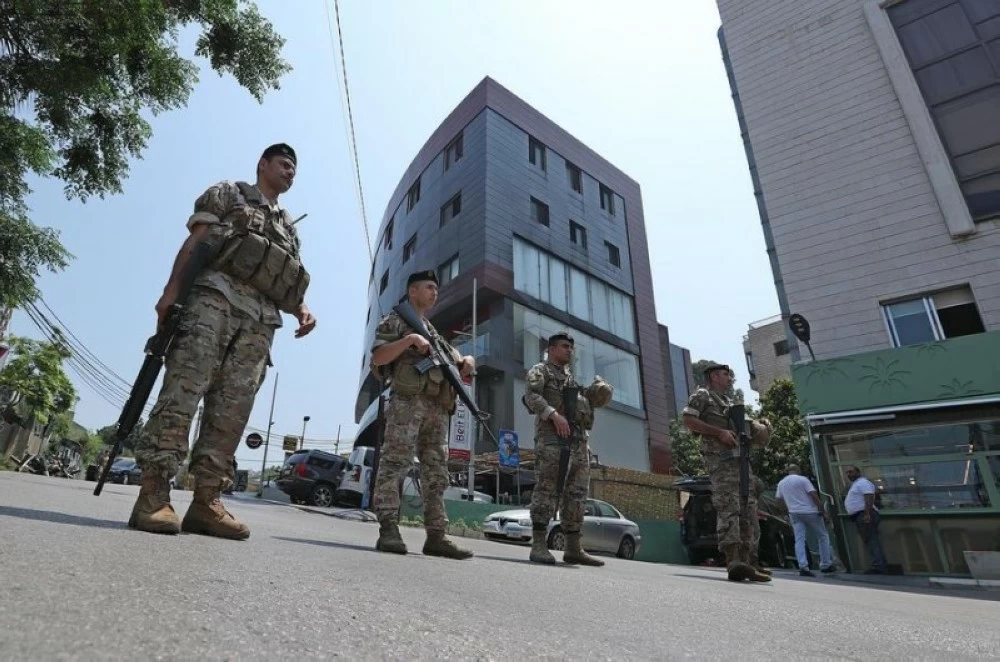
“Due to the security situation in Beirut, we have ordered the departure of non-emergency U.S. government employees and family members of government employees,” the State Department said in its latest travel alert for Americans in Lebanon.
The Lebanese Broadcasting Corporation International (LBCI) described the move as a precautionary measure in anticipation of possible regional spread.
The alert was officially announced hours after rumors about the move began to circulate, saying U.S. military personnel remaining in Lebanon would be restricted from traveling within the country.
State Department officials earlier said that after an ongoing assessment of the regional security environment, they determined it was “prudent” to downsize the U.S. Embassy in Beirut and keep only essential personnel there.
The official, speaking on condition of anonymity before the move was officially announced, said it was a temporary measure and the embassy would continue to operate.
It is unclear whether other U.S. embassies in the Middle East will implement similar orders.
Changes in Beirut’s embassy staffing are often seen as a precursor to possible U.S. or Israeli military action in the region.
Similar departure orders were imposed on other embassies in the region, including Beirut and Iraq, shortly before President Donald Trump ordered a military strike on Iran’s nuclear facilities last June.
The latest developments follow two rounds of indirect nuclear negotiations between the US and Iran this month, the first in Muscat on February 6th and the second in Geneva on February 17th. Oman’s Foreign Minister Saeed Badr bin Hamad bin Hamoud al-Busaidi said on Sunday that the next round of US-Iran talks will be held in Geneva on Thursday. — Agency
Related articles