


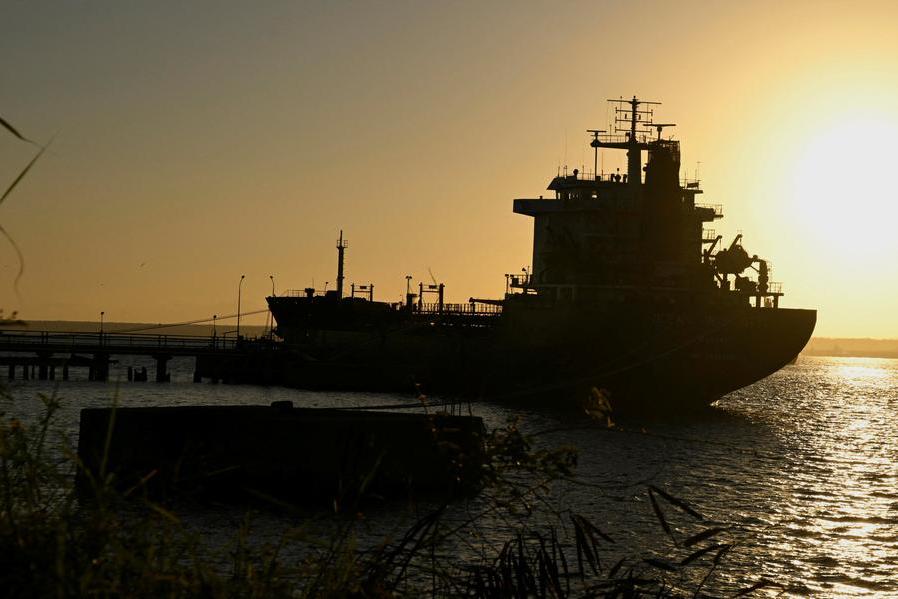
Crude shipping costs have risen to the highest in six years, spurring a wave of oil exports from the Middle East as traders accelerate charter deals ahead of a possible military conflict between the United States and Iran, industry sources said.
Employment costs for very large crude carriers (VLCCs), which carry up to 2 million barrels from the Middle East to China, have more than tripled since the start of the year to more than $170,000 a day on Tuesday, the highest since April 2020, LSEG data showed.
Middle East crude oil exports rose to more than 19 million barrels a day in February, the highest level since April 2020, led by Saudi Arabia, the United Arab Emirates and Iran, and as demand from India rose after Russia cut imports, according to data from shipping analysis firm Kpler.
“We see a number of positive fundamental factors in VLCC freight rates, starting with Venezuelan barrels moving in legitimate cargo rather than the previous dark fleet, OPEC+ production growth and healthy oil demand from refineries, especially from India, shifting from Russian barrels to Middle East barrels,” said June Go, senior analyst at Sparta Commodities.
“The Suezmax and Aframax markets will soon have spillover effects into the dirty cargo market,” he said, referring to crude oil and fuel oil transported in smaller tankers than VLCCs.
Focus on war risk premiums
War risk premiums could rise if the United States moves to attack Iran and Tehran could retaliate by disrupting operations through the Strait of Hormuz, a key barrier for Gulf oil exports, increasing shipping costs.
“The key thing for crude oil tankers is that VLCC spot… barrels don’t have to disappear for (rates) to move,” broker Clarksons said.
“We can quickly reprice perceived risk by requiring higher war risk premiums, by requiring shipowners to be compensated for calling in the region, and by allowing charterers to accelerate bookings further out to reduce schedule uncertainty.”
Commercial maritime traffic in the Gulf of Oman and the Strait of Hormuz is at increased risk of GPS jamming and AIS vessel tracking spoofing, directly related to ongoing Iranian military exercises, maritime security risk management group Dryad Global said on Monday.
The world’s tanker fleet is also in decline as hundreds of older vessels involved in transporting sanctioned oil from Iran and Russia have been sold to so-called shadow fleets with unknown insurance coverage.
Oil majors will not be using these vessels, leaving vessel availability tight until new vessels are added over the next three years, market sources said.
South Korea’s Sinocol, the world’s top VLCC operator
Meanwhile, South Korean shipping group Sinocor has recently emerged as a major buyer of VLCCs, reducing the overall supply of such vessels on the open market and allowing owners to increase their typical 30-day charter rates, the people said.
Shinokor did not immediately respond to a request for comment.
The company currently manages about 78 VLCCs in an active daily spot market, according to estimates from three brokers and shipping officials.
This is expected to rise to at least 88 ships this quarter, suggesting the fleet could eventually exceed 100 ships and reach 120-130 ships, they said. The sources declined to comment, citing the sensitivity of the matter.
“On an 88-vessel basis, Sinocor will be the largest commercial operator in the VLCC segment, accounting for approximately 24% of the spot trading fleet and approximately 12% of the total global VLCC fleet. This is an unprecedented level of concentration for a single commercial entity in this market,” maritime analysis firm Signal Group said in a note last week.
According to market participants, the overall VLCC market is expected to remain strong, allowing carriers to set higher rates.
But Sparta’s Goh said, “At some point, expensive cargo shipments could hit refining profitability and trigger a reduction in fleet demand.”
(Reporting by Jonathan Saul in London and Florence Tan in Singapore; Additional reporting by Joyce Lee in Seoul; Editing by Tony Munro and Anil D’Silva)
