


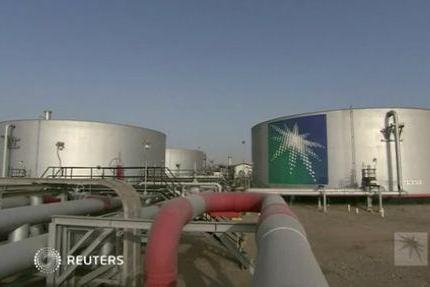
Saudi Aramco’s Juaymah liquefied petroleum gas export terminal is expected to be shut down for at least a month for repairs after this week’s outage forced cargo cancellations until March, traders said Thursday.
The long-term shutdown of Juayma, one of the world’s largest LPG export terminals, is expected to tighten supplies of propane and butane in Asia, sending prices soaring as demand for heating, cooking and petrochemical raw fuels increases.
Aramco announced on Wednesday that it had suspended LPG deliveries from Juaymah due to structural damage to part of the delivery segment transporting propane and butane on February 23.
Deliveries scheduled for the coming weeks from the Juaymah natural gas liquefaction facility have been canceled, the company said. Aramco also said the scope and duration of the impact was still being assessed.
Two industry sources told Reuters that power outages in Juayma are expected to last at least a month as the company works to repair its delivery system. The cause of the damage was not immediately clear, they said.
When asked for comment on Thursday, Aramco reiterated its statement on Wednesday.
Juaymah is currently the seventh largest LPG export terminal in the world, with average monthly LPG exports of more than 450,000 tonnes in each of the past two years, based on Kpler ship tracking data.
At least 60% of last year’s LPG exports from Huayma went to India, which is expected to be the hardest hit by the terminal outage. Up to 10 LPG cargoes scheduled to be loaded from Juaymah for delivery to India in March have been cut, refining sources told Reuters early Thursday.
Greg Bower, an LPG broker at New Stone Americas, said the Juaymah outage will certainly bring some business to the U.S. at some point as buyers look for replacements for canceled cargoes.
Bower added that the U.S. has plenty of propane and butane, and ending inventories are expected to be at record highs during the winter demand season. As such, U.S. price increases are likely to be limited despite a rebound from Asia, he said.
(Reporting by Shariq Khan, Dmitry Zhidanikov and Youssef Saba; Editing by Jane Merriman)
