


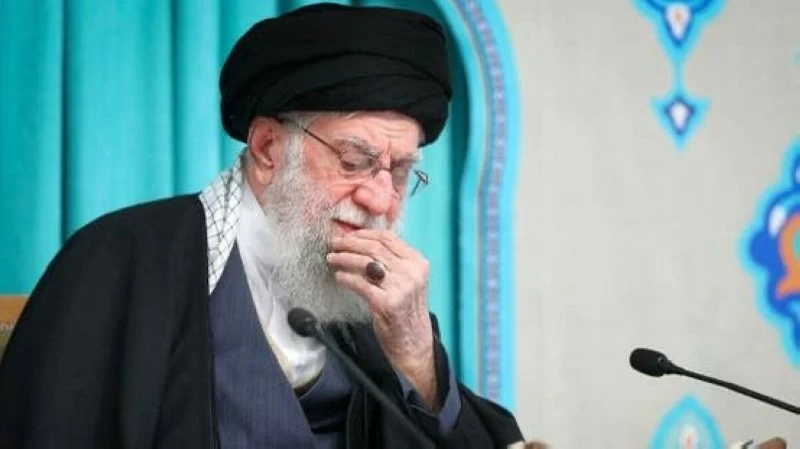
Iranian television early Sunday announced the killing of Iranian Supreme Leader Ali Khamenei in an Israeli and American attack, a development considered the most dangerous since the recent escalation.
Iranian state media reported the news of the killing of Supreme Leader Ayatollah Ali Khamenei, but did not reveal details about the circumstances or location of the attack amid widespread anticipation in Iran.
40 days of mourning and a week of vacation
After confirming Khamenei’s murder, authorities declared 40 days of general mourning, in addition to introducing a seven-day public holiday, reflecting the scale and political impact of the incident, Tasnim news agency reported.
news of death in his family
Earlier, the Fars news agency reported that the guide’s daughter, son-in-law and granddaughter were also killed in the attack on Saturday morning.
These developments come in the wake of a broader military escalation following attacks by Israel and the United States targeting sites and individuals in Iran, heralding a new phase of open conflict in the region.
Ali Khamenei’s murder closes the page on one of the most influential and controversial figures in the history of the Middle East. For more than 35 years, he has been Iran’s top decision-maker and the person who has shaped the character of its foreign policy, based on arms and militia expansion.
The beginning: From spectacle to the pinnacle of power
Ali Hosseini Khamenei was born on April 19, 1939 in the city of Mashhad in northeastern Iran, and grew up in a modest religious environment. His father was a famous priest at a seminary. He received his religious education in Mashhad and then moved to Qom to complete his seminary studies.
He emerged early as a preacher against the Shah’s regime and was arrested multiple times before the 1979 revolution. After the founding of the Islamic Republic, he rose through the ranks to become president of the republic from 1981 to 1989 and supreme leader after Khomeini’s death, beginning the longest and most influential chapter in modern Iranian history.
Militia project…transnational policy
Since taking office in 1989, he has tightened his control over military institutions, particularly the Revolutionary Guards and Quds Forces, which during his reign became instruments of direct intervention outside the country’s borders.
Rather than traditional political alliances, it explicitly supports armed militias in multiple Arab areas, which has made Iran a key player in the region’s conflicts.
Iraq…Influence behind weapons
Since 2003, Iran’s influence has strongly expanded in Iraq through armed groups affiliated with the Revolutionary Guards. This expansion established a fragile security reality based on the strength of armed groups and contributed to deepening internal divisions.
Syria…war and bloodshed
In Syria, the decision to support the Bashar al-Assad regime was a turning point. Iran sent advisers and Revolutionary Guards and helped mobilize militias to fight alongside the regime.
Critics say the aid has perpetuated years of war and bloodshed and played a major role in deepening one of the most serious humanitarian crises of this century.
Lebanon and Yemen… Stabilizing the arms balance
In Lebanon, Hezbollah is increasing its influence as a supranational military force. In Yemen, Iran was officially accused of supporting the Houthis with missiles and drones, expanding the scope of the conflict and adding the Red Sea to the circle of tensions.
heavy stage legacy
During his reign, Iran became the focus of a permanent conflict with the West, and economic sanctions were expanded to an unprecedented extent. But the deeper influence was in the region, where new power formations were formed through arms rather than politics.
His resignation ends a long phase directly associated with his name, which his critics believe deepened the conflict and kept the region in constant tension, while leaving open many possibilities for the future of the approach he established.
Following Saturday’s Israeli airstrike on Tehran, Iranian television officially announced the death of Iranian leader Ali Khamenei.
Ali Khamenei’s death closes a chapter about one of the most influential and controversial figures in Middle Eastern history. For more than 35 years, he was Iran’s top decision-maker, a man who shaped its foreign policy based on arms and militia expansion.
The beginning: From Mashhad to the pinnacle of power
Ali Hosseini Khamenei was born on April 19, 1939 in the city of Mashhad in northeastern Iran and grew up in a modest religious environment. His father was a famous priest at a seminary. He received his religious education in Mashhad and then moved to Qom to complete his seminary studies.
He emerged early as a preacher against the Shah’s regime and was arrested multiple times before the 1979 revolution. After the establishment of the Islamic Republic, he rose through the ranks to become president from 1981 to 1989, then became supreme leader after Khomeini’s death, beginning the longest and most influential chapter in modern Iranian history.
Militia Project.. Transnational Policies
Since taking office in 1989, he has tightened his control over military institutions, particularly the Revolutionary Guards and Quds Forces, which became instruments of direct cross-border intervention during his tenure.
These are not traditional political alliances and explicitly support armed militias in multiple Arab areas, making Iran a key player in the region’s conflicts.
Iraq…Influence behind the weapons
Since 2003, Iran has significantly expanded its influence in Iraq through armed groups aligned with the Revolutionary Guards. This expansion solidified the fragile security reality based on the power of armed groups and contributed to deepening internal divisions.
Syria…war and bloodshed
In Syria, the decision to support Bashar al-Assad’s regime was a pivotal point. Iran sent advisers and troops from the Revolutionary Guards to help rally militias to fight alongside the regime.
Critics say this aid has been a key factor in prolonging the war and bloodshed for years and deepening one of the most serious humanitarian crises of this century.
Lebanon and Yemen..establishing arms parity
In Lebanon, Hezbollah has strengthened its influence as a supranational military force. In Yemen, Iran faces official accusations that it is supporting the Houthis with missiles and drones, and tensions have escalated into the Red Sea as the conflict escalates.
legacy of heavy times
During his rule, Iran became the center of constant conflict with the West, and economic sanctions were expanded to an unprecedented extent. But the deeper influence was in the region, where new power formations were formed through arms rather than politics.
His departure marks the end of a long era directly associated with his name. While critics argue that this era deepened conflict and kept the region in constant tension, there are many possibilities for the future of the approach he established.
