


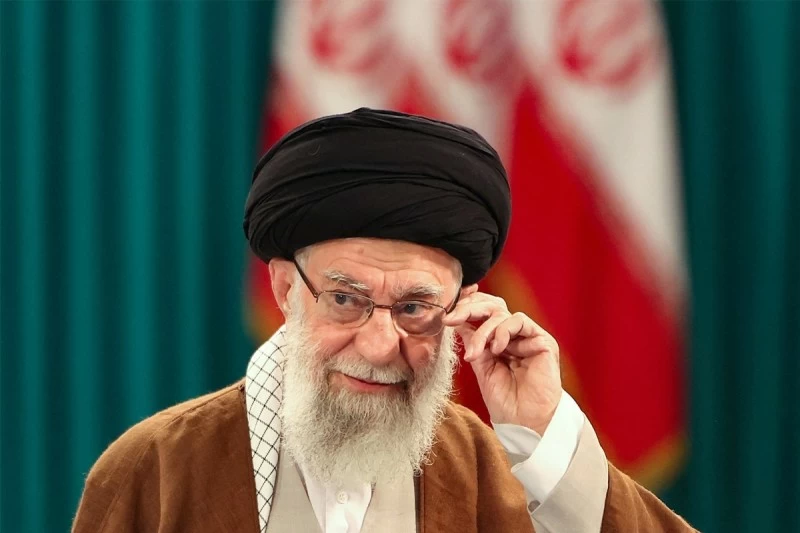
After the announcement of the killing of Iranian Supreme Leader Ali Khamenei in an American-Israeli raid, Iran entered the most dangerous phase in its modern history. The sudden death of the man who ruled the country from the shadows for more than 30 years raises fateful questions about the future of warfare in the region. Will his killing pave the way for an end to the conflict? Or will it spark a broader conflict that spreads across Iran’s neighbors and the region?
the man who ruled iran
Ali Khamenei succeeded the republic’s founder Ruhollah Khomeini as supreme leader in 1989. He seized religious and military authority and became Iran’s final decision-maker, the highest authority above the government and the presidency, and the final say in all aspects of the state.
long-standing anger
His reign witnessed repeated domestic crises, starting with the student protests in 1999, electoral events in 2009, and a wave of economic protests that rocked Iran’s streets.
iron fist
Demonstrators faced policies of security crackdowns, widespread arrests, and harsh trials, along with tight security controls on the streets, to stabilize the regime’s authority and prevent direct challenges to the supreme leader.
principles of confrontation
Khamenei established a clear hostile relationship with the United States, viewing it as a permanent strategic adversary, and also took a hard line against Israel. He made confrontation an important part of his foreign policy, supporting Iran’s allies in the region and expanding the country’s influence through military and missile moves.
A priest…and an assassination attempt
He started life as a revolutionary cleric, took part in activities against the Shah, and was arrested before the revolution. He was also injured in an early assassination attempt, which left lasting effects on his health, but did not prevent his rise to absolute power.
Iranian Revolutionary Guards
He relied on the Revolutionary Guards to strengthen his influence and role in domestic and foreign policy, expanded his missile program and regional influence, tied his regime’s survival to military strength and deterrence, and emphasized that security and stability are tied to military superiority.
After Khamenei
Ali Khamenei’s killing has shaken the Iranian regime, potentially leading to a fight within the ruling body over his successor. It also raises domestic tensions and potentially shifts the balance of foreign policy, plunging the region into further turmoil and the world anxiously awaiting Iran’s next move after its supreme leader steps down.
