


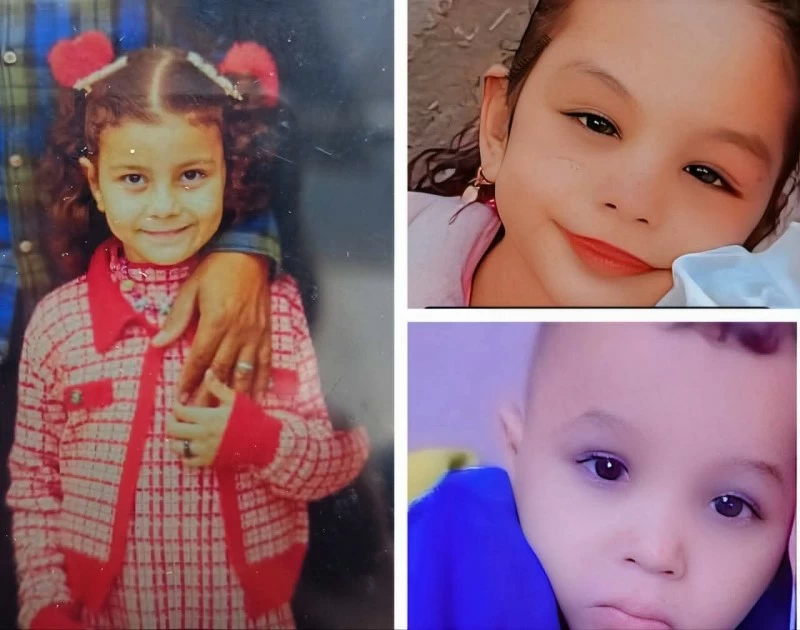
Today (Wednesday), the Shebin Elkom Criminal Court in Menufia upheld the death sentence by hanging for the accused who murdered three young children in the village of Al Raheb after submitting documents to the Egyptian Mufti for legal opinion in one of the most heinous crimes to have shaken Egyptian public opinion.
The decision came just before the sentencing hearing as Counselor Bilal Awad supported the prosecution’s recommendation to impose the maximum sentence on the accused after he admitted that he had committed the crime out of revenge against the victim’s father in the context of a previous personal dispute.
Details of the incident date back to January 2026. At this time, security authorities from the Menufia General Security Directorate received a report that three children were missing from a family in the village of Al-Raheb, which is affiliated with the Shebin Al-Kom Center. The children are two brothers and their cousins, all young (under 10 years old).
After a quick search, family members found the bodies of three children with obvious signs of strangulation inside an abandoned house owned by the suspect’s family. The body was transferred to the mortuary of Shebin Al-Khum Teaching Hospital, where a forensic report confirmed the cause of death was strangulation.
Investigators from Shebin Al-Khum Police Station were able to arrest the suspect within five hours, and upon questioning, the suspect confessed in detail to the crime. He lured children under the pretext of play and trust, took them to an abandoned house, strangled them with cloth, and threw them away.
The investigation revealed that the motive was revenge against the children’s father over a period of personal conflict, and that the defendant had been close to the family over a period of approximately two years and abused that trust to contact the children and cause further serious harm to the father.
During the defendant’s first trial in February 2026, prosecutors described the crime as a “premeditated, premeditated, cold-blooded murder of an innocent,” and called for the death penalty by hanging. Lawyers for the victims’ families emphasized the need to apply the maximum penalty to set a precedent.
Meanwhile, the defendant’s lawyer defended his client on the ground of mental illness and requested psychiatric referral, but the court refused and referred the documents to the mufti.
Shabin Elkom Criminal Court in Menufia today (Wednesday) upheld the death sentence by hanging for a defendant accused of murdering three young children in the village of Al-Raheb, after referring the case to Egypt’s Grand Mufti for a legal opinion, in one of the most heinous crimes to have shocked Egyptian public opinion.
The decision was announced at a sentencing conference some time ago, as the court presided over by Counselor Bilal Awad upheld the prosecutor’s recommendation to impose the maximum penalty on the defendant, who confessed to committing the crime out of revenge against the victim’s father over a previous personal spat.
Details of the incident date back to January 2026, when security officials from the Menufia General Security Directorate received reports of three children from the same family missing from Al Raheb village, part of the Shabin Elkom centre. The children are two brothers and their cousins, all very young (under 10 years old).
After a quick search, local residents found the bodies of three children in an abandoned building belonging to the defendant’s family, with obvious signs of strangulation. The body was transferred to the Shabin Elkom Teaching Hospital morgue, where a forensic report confirmed the cause of death was strangulation.
The Shabin Elkom police investigation succeeded in arresting the defendant within five hours, and when confronted, the defendant detailed a confession to the crime. He lured the children under the pretext of play and previous trust, took them to an abandoned house, strangled them with a piece of cloth, and left them there.
The investigation revealed that the motive was revenge against the children’s father following a period of personal conflict, and that the defendant had become close to the family over a period of approximately two years and exploited the family’s trust in reaching out to the children as a means of causing further serious harm to the father.
At the first trial in February 2026, the prosecution called for the crime to be executed by hanging, calling it a “premeditated, deliberate, cold-blooded murder of an innocent.” Lawyers for the victim’s family emphasized the need to apply the maximum punishment as a lesson learned.
In contrast, the defendant’s lawyer defended his client on the grounds of mental illness and requested that he be examined by a psychiatrist, but the court refused and referred the case to the mufti.
