


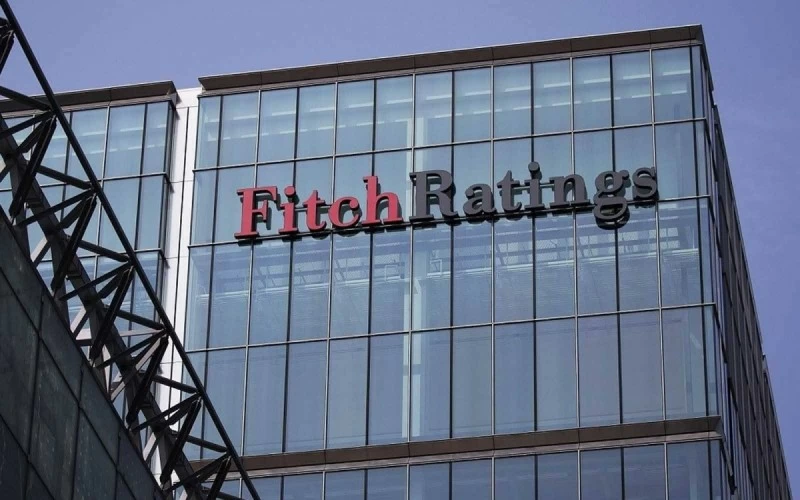
Fitch ratings agency announced that the regional conflict following the Israeli and US attack on Iran is unlikely to have a significant impact on Saudi Arabia’s banks’ credit ratings.
The agency attributed this to the strength of Saudi banks’ capital and reserve liquidity, the agency said in a report, noting that the conflict could make it difficult for companies operating in the Gulf to issue bonds in foreign capital markets.
He noted that banking systems in Gulf Cooperation Council countries face little immediate credit risk as a result of the conflict.
sovereignty support
The agency said Gulf banks’ credit ratings mainly depend on expectations for government support.
Fitch believes that Gulf states’ sovereign ratings generally have sufficient headroom to withstand short-term regional conflicts that do not escalate significantly, as they hold large assets that protect against short-term interruptions in oil and gas revenues.
He noted that the Gulf banks it rated generally have strong financial metrics, liquidity, and strong capital reserves, and these factors likely limit the risk to credit ratings even if a dispute lasts less than a month.
creditworthiness
The agency noted that geopolitical risk has always been an important factor in determining the creditworthiness of Gulf debt issuers, including banks.
While the broad geographic scope and scale of the ongoing attacks are unprecedented, Fitch believes one of the key areas to monitor is the strength of business conditions, particularly non-oil sector growth and confidence across the region, as these factors are important to banks’ credit ratings.
Fitch Ratings has announced that the regional conflict following the Israeli and US attacks on Iran is unlikely to have a significant impact on the credit ratings of Saudi banks.
The agency said in a report that this was due to the strong capital base and liquidity reserves of Saudi banks, noting that the conflict could complicate the ability of companies operating in the Gulf to issue debt in external capital markets.
The report said banking systems in Gulf Cooperation Council countries face minimal immediate credit risk as a result of the conflict.
sovereignty support
The agency said Gulf banks’ credit ratings depend primarily on expectations for sovereign support.
Fitch believes that Gulf states’ sovereign ratings generally have sufficient headroom to withstand near-term regional conflicts, barring significant escalation. This is because Gulf states have significant assets that protect them from short-term disruptions to oil and gas revenues.
It is noted that rated banks in the Gulf generally have good financial indicators, strong liquidity and capital reserves, and these factors are likely to reduce the risk of threatening credit ratings even if a dispute lasts less than a month.
creditworthiness
The agency noted that geopolitical risk has long been an important factor in determining the creditworthiness of bond issues by Gulf countries, including banks.
While the broad geographic scope and scale of the ongoing attacks are unprecedented, Fitch views one of the key areas to monitor as the strength of business conditions, particularly non-oil sector growth and public confidence in the region. This is because these factors are important for a bank’s credit rating.
