


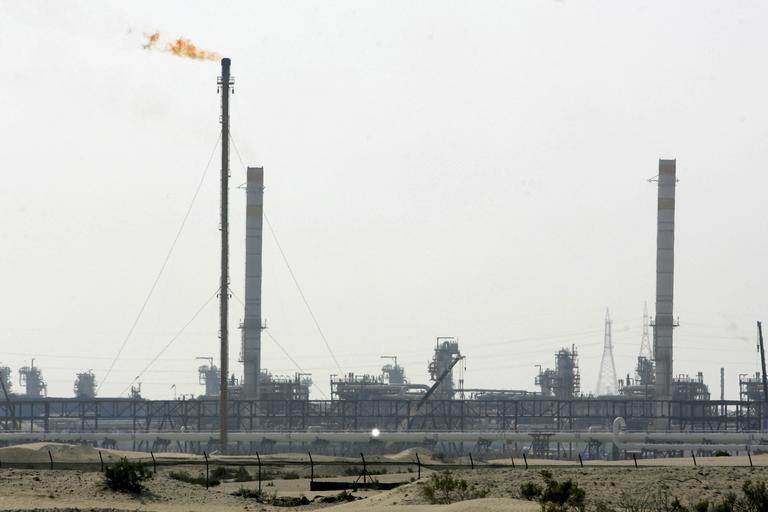
Analysts, traders and sources said Kuwait and the United Arab Emirates would be the next Gulf oil producers to cut production if the Iranian crisis fills storage tanks and prevents them from exporting crude through the Strait of Hormuz.
The Strait of Hormuz, a narrow barrier between Iran and Oman through which one-fifth of the world’s crude oil and liquefied natural gas passes, has been largely halted due to Iranian attacks on six ships since the crisis began.
Earlier this week, Iraqi oil officials told Reuters that Iraq had cut oil production by nearly 1.5 million barrels per day, and the cuts could widen to more than 3 million barrels per day within days as the country runs out of storage and cannot export oil due to the crisis.
Kuwait’s state oil company, KPC, did not respond to requests for comment on whether a shutdown was imminent. UAE oil producer ADNOC has not issued any comment beyond a statement from its listed subsidiary on Wednesday that operations are continuing as normal.
choke point
Analysts at JPMorgan said in a report this week that estimates from the first day of the conflict gave Kuwait about 18 days and the UAE 22 days before depleting stocks would force production cuts if ships were not rerouted.
Two oil traders with UAE crude said Abu Dhabi may have to cut production sooner if exports through the strait do not resume.
“If ships don’t arrive soon, everyone will be stuck at home,” said an official from the region’s state-run oil company.
About 300 oil tankers remained in the strait, not including some small tankers, as ship traffic in and out of the chokepoint came to a near halt after the outbreak of war, according to ship tracking data from Vortexa and Kupler.
(Reporting by Ahmad Ghaddar, Alex Lawler, Yousef Saba; Editing by Jan Harvey)
