


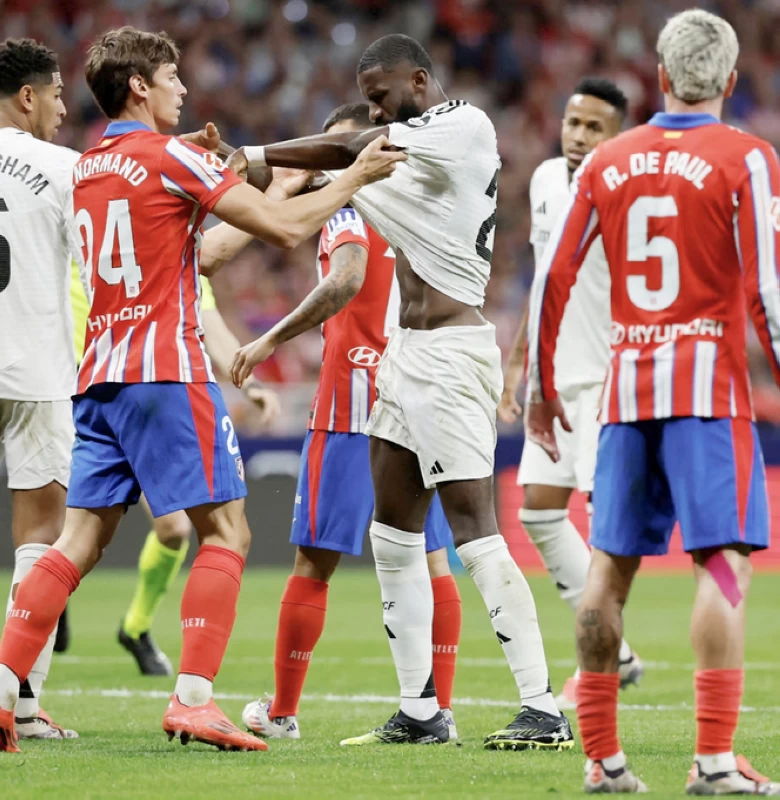
In a world where stardom is made under the spotlight and moments are measured by decisive turns, the actions of some players within the green square have transcended the limits of skill and become more sensitive territory. Between heightened enthusiasm and competitive pressures, “provocative moves” can sometimes emerge that liven up the atmosphere and shift the focus from performance to response. These scenes, however fleeting they may seem, contain deeper meanings about the nature of sports conflict and the limits of sportsmanship, opening the door to important questions about its causes and impact on players, fans and the game.
Dr. Ahmed Saad, a psychological consultant with an interest in sports, told Okaz: In recent years, there has been a noticeable increase in provocative movements among some players at sports stadiums, and this phenomenon is no longer limited to individual behavior, but has become a repeated behavior at many games, especially public games. The reasons for such a move are multiple and range from the high psychological pressure experienced by players on the field, through the desire to influence the concentration of opponents and remove them from the match atmosphere, to the search for attention and artificial intelligence. The “snapshot” is being circulated through satellite channels, sports media and social media, as some players believe the provocation is part of legitimate “psychological warfare” while in reality it can amount to unsportsmanlike behavior that damages the image of the player or his club.
nutritional factors
He explained that temporary tensions, prior media coverage and public tensions, along with a lack of sufficient awareness of the culture of fair play, are all factors that encourage such behavior. Unfortunately, while psychological and educational preparation are just as important as other elements of a sports system, some technical bodies may neglect to manage this behavioral aspect by focusing only on the technical and physical aspects.
Regarding the reaction of provocative players, Dr. Ahmed Saad continues: Reciprocity is often the result of emotional outbursts and loss of emotional control, especially in competitive atmospheres. A player who responds with a corresponding provocative move may believe he is protecting his dignity or his team, but in reality he is giving the referee the legitimacy to issue a penalty, potentially harming his team’s interests at a critical moment. Mental discipline and self-control are among the most important traits of a professional athlete, and ignoring provocations is sometimes…the harshest response possible.
Regarding penalties set out in sports regulations, he said: “The regulations of most sports federations, whether at the FIFA level or at the level of continental federations such as the Asian Football Confederation, prescribe penalties for unsportsmanlike conduct, such as warnings or direct expulsion, as well as possible fines or multi-match suspensions for repeated violations or for causing group fights.” These penalties are not meant to punish, but to protect the spirit of the game and maintain its civilized image.
The scenes are separated
Regarding fan reactions, Dr. Ahmed Saad explained that the scene is actually polarized, as there is a group that sees a certain “enthusiasm” or overconfidence in these movements and sympathizes with the athletes even when they make mistakes, especially when the provocation is directed at traditional competitors. On the other hand, there are many people who reject these practices because they believe they distort the beauty of the game, inflame enthusiasm, and have a negative impact on the behavior of young people who use players as role models.
Dr. Ahmed Saad concluded his lecture with the following words: “Sport is inherently a message of morality before results or goals, and players, administrators, media and fans must work together to establish a culture of respect on and off the field, because while a momentary provocation can turn into a major crisis, a snapshot of honest sportsmanship can be remembered for years.”
