


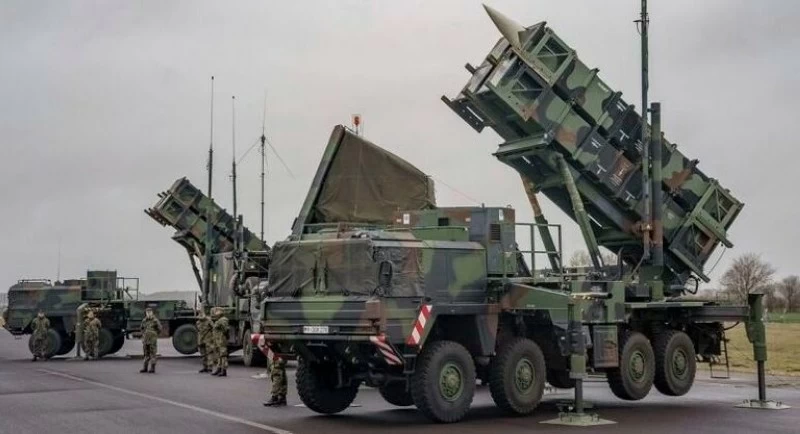
Given the severe shortage of U.S.-made Patriot systems, Germany’s air defense capabilities have suffered a significant decline, raising concerns in military and political circles, especially with continued tensions with Russia and growing potential missile threats.
support ukraine and poland
The Wall Street Journal has revealed that Germany has become more vulnerable to air and missile attacks after it transferred most of its long-range MIM-104 Patriot systems to Ukraine starting in early 2023 as part of efforts to support Kiev against Russia.
The paper saw the problem worsening as the remaining deployments of these systems began at the end of 2025 to protect Poland’s airspace on the eastern side of the North Atlantic Treaty Organization (NATO).
Out of stock notice
Germany was one of the first countries, along with the Netherlands and the United States, to offer the Patriot system to Ukraine in early 2023.
In April 2024, then-German Foreign Minister Annalena Verbock announced that her country could no longer provide this type of military support, stating: “Unfortunately, our stock of Patriot systems in particular is almost depleted.”
He added: “I made it clear at the NATO Foreign Ministers’ meeting that we need to look for all available systems in Europe and around the world and make every effort to provide them to Ukraine.” However, the deployment of the remaining systems in Poland the following year increased pressure on German air defenses as the demand for these systems continued to increase, especially as a result of targeting and destroying some of these systems in Ukraine.
America’s urgent priorities
As Berlin seeks to address this shortage, the German Defense Ministry has a contract to purchase eight new Patriot systems from the United States for up to $2.33 billion per system in 2024 to compensate for those donated to Ukraine, but the delivery process is facing significant delays given the increasing pressure on the United States’ interceptor missile inventory.
The U.S. Department of Defense reported in July 2025 that the inventory of interceptor missiles for the Patriot system had been reduced to about 25% of the level the Pentagon deems necessary, after significant donations to Ukraine and extensive use of these systems in other military operations, including conflicts with Iran.
Difference in defensive ability
A Western report released on March 5 indicates that the US military used more than 800 interceptor missiles in just five days of these clashes.
Given this depletion, the United States is expected to prioritize replenishing its military stockpile first, perhaps to meet the needs of other allies such as Taiwan. The U.S. government is likely to remove interceptor missiles from bases in South Korea or require countries operating these systems to return supplies.
Intelligence suggests that Germany may not have access to large numbers of new interceptors by the early 2030s, leaving a clear gap in Germany’s air defense capabilities at a time of heightened security tensions in Europe.
Germany’s air defense capabilities are experiencing a significant decline due to a severe shortage of US-made Patriot systems, raising concerns within the military and in political circles, especially as tensions with Russia continue and potential missile threats increase.
Assistance to Ukraine and Poland
The Wall Street Journal revealed that Germany has become even more vulnerable to air and missile attacks after relocating a significant portion of its long-range MIM-104 Patriot systems to Ukraine since early 2023 as part of efforts to support Kiev in its conflict with Russia.
The problem is exacerbated by the deployment of the remaining systems to protect Polish airspace in NATO’s eastern flank from the end of 2025, the newspaper said.
Out of stock notice
Germany was one of the first countries, along with the Netherlands and the United States, to offer the Patriot system to Ukraine in early 2023.
In April 2024, then-German Foreign Minister Annalena Baerbock announced that Germany could no longer provide this type of additional military support, stating that “unfortunately, our stocks, especially of the Patriot system, have been significantly depleted.”
She went on to say that “I made it clear at the NATO Foreign Ministers’ meeting that we need to look for all the systems available in Europe and around the world and make every effort to supply them to Ukraine,” but the deployment of the remaining systems in Poland the following year increased pressure on Germany’s air defenses, especially given the now high demand for these systems due to some of the systems targeted and destroyed in Ukraine.
America’s urgent priorities
Despite Berlin’s attempts to address this shortfall, the German Defense Ministry signed a contract in 2024 to purchase eight new Patriot systems from the United States at a cost of up to $2.33 billion per system, with the aim of supplementing the systems donated to Ukraine. But the delivery process is facing significant delays as pressure mounts on the U.S. interceptor missile stockpile.
In July 2025, the U.S. Department of Defense reported that its inventory of interceptor missiles for the Patriot system had been reduced to approximately 25% of the level the Pentagon considers necessary, following significant donations to Ukraine and the widespread use of these systems in other military operations, including conflicts with Iran.
Difference in defensive ability
A Western report released on March 5 indicates that the US military used more than 800 interceptor missiles in just five days of these clashes.
Given this depletion, the United States is expected to prioritize replenishing its military stockpile first, perhaps to meet the needs of other allies such as Taiwan. Washington is likely to resort to removing interceptor missiles from bases in South Korea or requesting resupply from countries operating these systems.
The information suggests that Germany may not receive large quantities of the new interceptor missiles until the early 2030s, leaving a clear gap in Germany’s air defense capabilities amid heightened security tensions in Europe.
