



Follow Okaz channel on WhatsApp
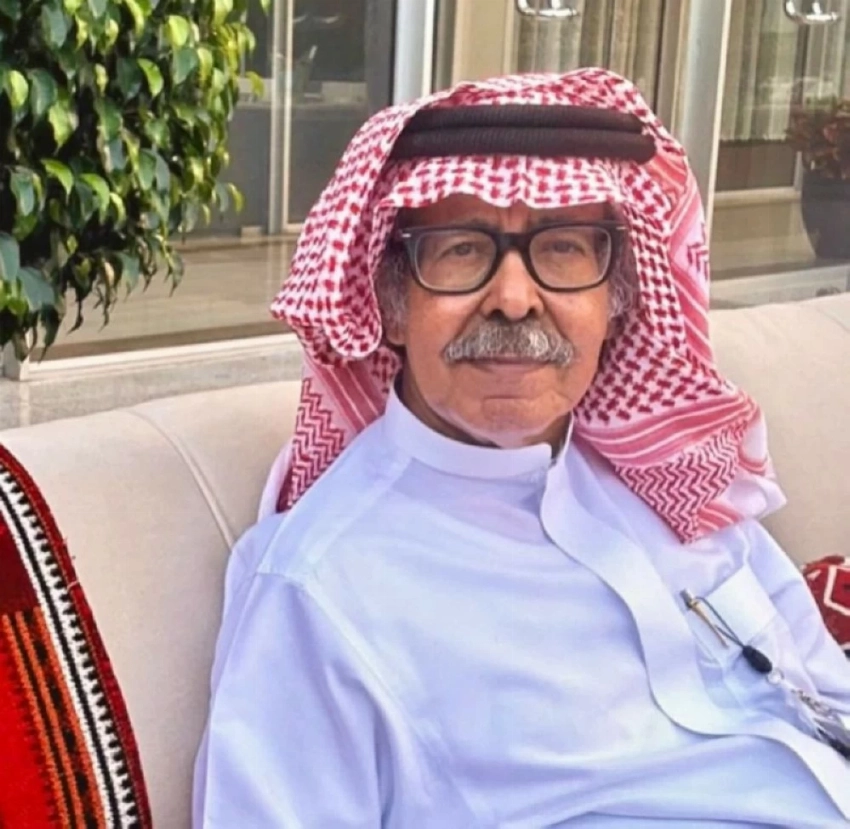
On Thursday, 24 Shaban, 1447 (equivalent to February 12, 2026), the country said farewell to one of its noble intellectuals, Dr. Saeed Al-Salihi. We ask God to cover him with mercy and forgiveness.
I knew him over 50 years ago through his colleague and companion, Dakhil Allah Abu Taweera. May God have mercy on him. He praised him greatly and summed up his status by saying, “Al-Salihi was not the student next to you in a university classroom, but rather a professor.” Afterwards, I had a long meeting with him, and he was – may God have mercy on him – very well-spoken and profound in his outlook on life and ideas.
Abu Iqbal rejected (stasis in what exists). That stagnation we were and are accustomed to. Rather, it was about breaking from the herd and thinking outside the box, without prejudice to religious, national, or social constants.
His existence coincided with a historical phase in which he was wary of everything new and suspicious of all different creative phenomena. He was stripped of his doctorate, which he was neither proud nor proud of, on unconvincing pretexts at the time, which were later found to be invalid.
Al-Salih Said has passed away, but this was inevitable, and as impressive and remarkable as his continued presence is, he left behind an impressive intellectual legacy.
In his book (Al Ruwais) he talks about the beginning of the formation of his consciousness and says:
In my opinion, this contradiction shaped his intellectual personality. “Things are distinguished by their opposites.” It was modern and new and at the same time truly traditional. Sometimes popular, sometimes elitist. Sometimes Bedouin villagers, sometimes civilized civilians. This diversity gave his intellectual and cognitive experience a special flavor – may God have mercy on him.
In the 1980s, a modernist trend emerged, and Al-Salihi was one of its symbols. Meanwhile, a conservative movement emerged. Safa refers to a phase in which the Awakened ruled society and held onto the thread of the supposed truth, but the movement claimed a monopoly on truth, committed infidelity and immorality, and claimed that modernity was a deviation from immutability. Al-Salihi was also one of the victims of that stage. He was excluded and stripped of his well-deserved doctorate.
As fate would have it, he joined Okaz Newspaper and immersed himself in the work of journalism and culture. This experience gave him a realistic outlook on life and society and made creative contributions to journalism and media.
Although Abu Iqbal has physically disappeared, his ideas and creativity live on and remain immortal, and this is the case when great creators leave their mark behind.
Al-Salihi left us 14 books on various topics. Their common denominator is creativity, enlightened thought, and language.
Authentic Arabic oozes with fascinating descriptions and explanations of his genius, awareness, and intelligence.
May God have mercy on you, Abu Iqbal.
*Former Taif Police Chief
On Thursday, February 12, 1447, Shaban 24, the country said farewell to one of its towering intellectuals, Dr. Saeed al-Sulaihi. We ask Allah to surround Him with His vast mercy and forgiveness.
I met him more than 50 years ago through his colleague and companion, Dakir Allah Abu Tawira – may God have mercy on him – who admired him greatly and summed up his stature by saying, “Al-Sulaihi was not a student with us in a university classroom, but a professor.” Afterwards, I had a long conversation with him, and he – may God have mercy on him – had an amazing way of speaking and a profound outlook on life and thinking.
Abu Iqbal refused (existing stagnation). Rather, he sang outside the pack and thought outside the box, without touching religious, national or social constants, the stagnation that we are and still are accustomed to.
Since his existence coincided with a historical phase in which he was afraid of everything new and skeptical of all creative phenomena, he was stripped of the doctorate that should have adorned him under unconvincing pretexts at the time, which later turned out to be groundless.
Al-Sulaihi Said has passed away, leaving behind an intellectual legacy as impressive as his constant presence was, and this is an inevitable question.
In his book (Al Lewis) he talks about the beginning of his consciousness and says:
In my opinion, this contradiction shaped his intellectual personality. Because “things are distinguished by their opposites.” He was a modernist, always innovative, but also a true traditionalist. Sometimes popular, sometimes elite. Sometimes Bedouin in the countryside, other times civilized in the city. This diversity gave his intellectual and cognitive experience a special flavor – may God have mercy on him.
In the 1980s, the trend of modernism emerged, and al-Sulaihi was one of its symbols. In contrast, the conservative trend, the Revivalists, referring to a period when revivalism dominated society and held the reins of what was considered truth, claimed a monopoly on truth and excommunicated and declared heresy on the grounds that modernity was a departure from immutability. Mr. Al-Sulaihi was one of the victims of that phase, suffering exclusion and being stripped of his well-deserved doctoral degree.
As fate would have it, he joined Okaz Newspapers to immerse himself in journalistic and cultural work. This experience gave him a realistic perspective on life and society and led him to take a creative role in journalism and media.
Although Abu Iqbal’s physical body has passed away, his thoughts and creativity live on and will remain forever. This is similar to when great creators leave their mark behind.
Al-Sulaihi left us 14 books on various subjects. What these books have in common is creativity, enlightening thought, and spirituality.
His pure Arabic exudes a captivating eloquence, demonstrating his brilliance and high level of knowledge and thinking.
O Abu Iqbal, may Allah have His vast mercy upon you.
*Former Taif Police Chief
