

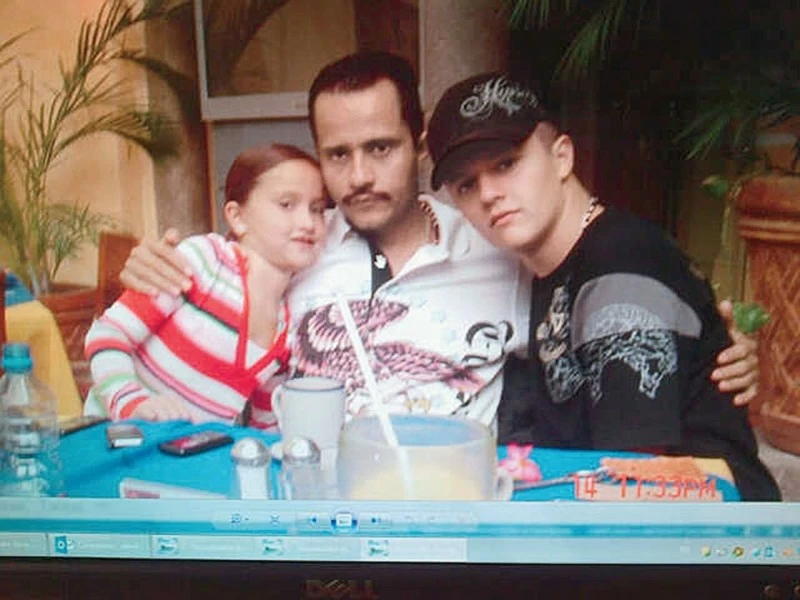
The murder of Nemesio Rubén Oseguera Cervantes, known as “El Mencho,” was not a one-off security incident. Within hours of his death being announced yesterday (Sunday), vehicle arson, road blockades and armed clashes broke out in several Mexican states, scenes that reflected the scale of influence enjoyed by Mexico’s drug world’s most dangerous man.
“El Mencho” was more than just a gang leader, he was also the mastermind and leader of the Jalisco New Generation Cartel, one of the most violent and powerful criminal organizations in the country. He was at the top of the most wanted list in Mexico and the United States, with a multi-million dollar reward for information leading to his arrest. He led a transcontinental smuggling network, and his name was linked to fentanyl, cocaine, methamphetamine, and an unprecedented wave of violence against opponents and security forces.
Who was the man born into a poor family in rural Michoacán who went on to become one of the most wanted men in the world? How did he build an empire that shook entire cities shortly after its fall?
From the avocado grove to the cartel throne
Born in 1966 in a poor rural area of Michoacán, Oseguera grew up in a family of avocado farmers. He dropped out of school in the fifth grade, began guarding marijuana farms at an early age, and immigrated to California illegally in the 1980s, using a false name to hide his identity.
In the United States, he was repeatedly arrested and deported. In 1992, he was convicted on federal drug charges and sentenced to five years in prison in Texas, but was released after three years and deported to Mexico at age 30.
From police officer to leader of a criminal empire
Upon his return, he joined the local police force in the state of Jalisco, but soon quit and joined the world of organized crime through the Milenio cartel. There he began a rapid rise through the ranks and later allied himself with the Sinaloa Cartel, led by Ignacio “Nacho” Coronel.
The arrest or murder of prominent Milenio leaders sparked internal strife that resulted in the organization’s split. El Mencho led one of the victorious units and reformed it as the Jalisco New Generation Cartel, quickly establishing influence in western Mexico.
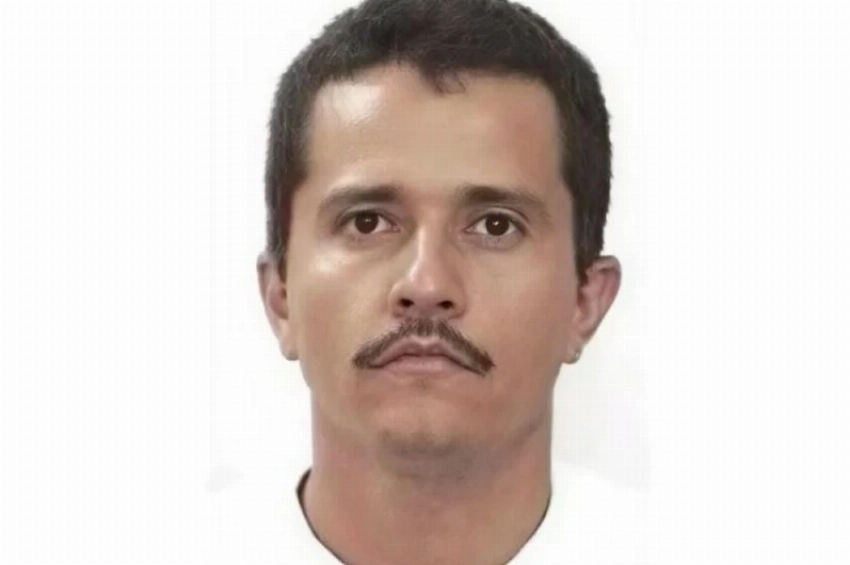
Bloody leadership and transcontinental influence
El Mencho has earned a deadly reputation for violent attacks on rival cartels and Mexican security forces, making him a top security official’s priority. Under his leadership, the cartel’s operations expanded to include the smuggling of cocaine, methamphetamine, and fentanyl into the United States and Australia through a complex international network.
Since the beginning of the 2000s, the US Drug Enforcement Administration (DEA) has monitored his activities and brought several charges against him in US courts. The U.S. Treasury Department also sanctioned him under the Drug Trafficker Prosecution Act and froze the assets of him and those close to him in the United States.
During President Donald Trump’s second term, El Mencho was designated a “Specially Designated Global Terrorist” after the cartel was designated a foreign terrorist organization for its role in the growing fentanyl crisis and widespread violence.
family is in a storm
El Mencho’s influence was not limited to him personally. The charges and arrest affected his family. His wife, Rosalinda Gonzalez Valencia, was arrested on money laundering charges in 2018 and released on bail pending trial.
His son Ruben Oseguera, known as “El Mencito,” was arrested in 2014 and considered the cartel’s second-in-command until his extradition to the United States in 2020, where he was later convicted of murder and crimes related to drug and arms trafficking. Many of his siblings and in-laws were also arrested on financial and criminal charges related to the organization.
end of long chase
El Mencho heads the Jalisco New Generation Cartel (CJNG), a criminal organization that has transformed within a few years into a transnational force rivaling Latin America’s most powerful drug cartels. Washington has offered a reward of up to $15 million, and Mexico City has allocated 300 million pesos for information leading to an arrest.
For years, “El Mencho” hid in rural areas between Jalisco, Michoacán and neighboring states, under the protection of armed groups with military training. But the military operation that ended his life yesterday (Sunday) brought to an end one of the longest and most complex security operations in Mexico’s modern history.
His departure concludes a bloody chapter in the history of organized crime.
The murder of Nemesio Rubén Oseguera Cervantes, nicknamed “El Mencho,” was not a temporary security incident. Within hours of announcing his death yesterday (Sunday), vehicle arson, roadblocks and armed clashes broke out in several Mexican states, reflecting the scale of influence held by Mexico’s drug world’s most dangerous man.
“El Mencho” was more than just a gang leader. He was the mastermind and leader of the Jalisco New Generation Cartel, one of the most violent and powerful criminal organizations in the country. He was at the top of most wanted lists in Mexico and the United States, with a multi-million dollar reward for information leading to his arrest. He led a transcontinental smuggling network with ties to fentanyl, cocaine and methamphetamine, as well as an unprecedented wave of violence against rivals and security forces.
So who is this man who was born into a poor family in rural Michoacán and went on to become one of the world’s most wanted criminals? How did he build an empire that shook entire cities when it fell?
From the avocado grove to the cartel throne
Oseguera was born in 1966 in a poor rural area of Michoacán and grew up in a family that grew avocados. He dropped out of school in the fifth grade, began guarding marijuana farms at an early age, and immigrated to California illegally in the 1980s, using a false name to hide his identity.
In the United States, he was repeatedly arrested and deported. In 1992, he was convicted on federal drug charges and sentenced to five years in prison in Texas, but was released after three years and deported to Mexico at the age of 30.
From police officer to leader of a criminal empire
Upon his return, he joined the local police force in Jalisco, but soon left and entered the world of organized crime through the Milenio cartel. There he began a rapid rise through the ranks and later allied himself with the Sinaloa Cartel, led by Ignacio “Nacho” Coronel.
In Milenio, an internal conflict broke out after a prominent leader was arrested and murdered, causing a split within the organization. “El Mencho” led one of the victorious factions, regrouping under the name “Jalisco New Generation Cartel” and quickly asserting dominance in western Mexico.
Bloody leadership and transcontinental influence
El Mencho’s bloody reputation for violent attacks on rival cartels and Mexican security forces has put him at the top of security priorities. Under his leadership, the cartel expanded its operations to include smuggling cocaine, methamphetamine, and fentanyl into the United States and Australia through a complex international network.
Since the early 2000s, the US Drug Enforcement Administration (DEA) has monitored his activities and brought charges against him multiple times in US courts. The U.S. Treasury Department also sanctioned him under the Kingpin Act and froze his and his associates’ assets in the United States.
During the era of President Donald Trump, El Mencho was classified as a “Specially Designated Global Terrorist Organization” by the cartel for its role in the escalating fentanyl crisis and widespread violence.
The family at the center of the storm
The influence of “El Mencho” was not limited to himself. The charges and arrests also extended to his family. His wife, Rosalinda González Valencia, was arrested on money laundering charges in 2018 and released on bail pending trial.
His son Rubén Oseguera, known as “El Menchit,” was considered the cartel’s second-in-command until his arrest in 2014, before he was extradited to the United States in 2020 and later convicted of murder, drug trafficking and weapons-related charges. Several of his brothers and in-laws were also arrested on financial and criminal charges related to the organization.
end of a long pursuit
Within a few years, El Mencho had transformed into a transnational force, leading the Jalisco New Generation Cartel (CJNG), a criminal organization that competed with Latin America’s most powerful drug cartels. Washington offered a reward of up to $15 million, while Mexico City allocated 300 million pesos for information leading to an arrest.
For years, “El Mencho” hid in rural areas between Jalisco and Michoacán, as well as neighboring states, under the protection of armed groups with military training. But the military operation that ended his life yesterday (Sunday) brought to an end one of the longest and most complex security operations in Mexico’s modern history.
His departure concludes a bloody chapter in the history of organized crime.
