

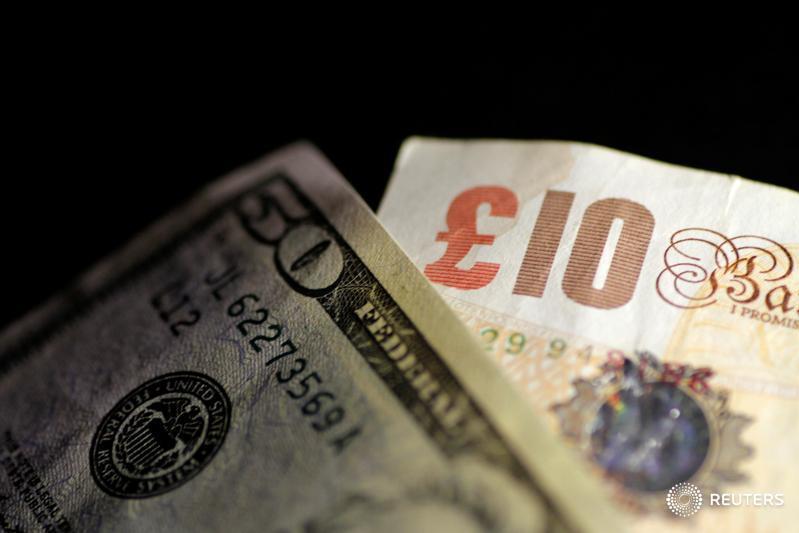
The British pound started the week on solid footing on Monday as traders digested the fallout from the U.S. Supreme Court’s overturning of tariffs and political uncertainty from upcoming elections to fill seats in Congress.
The pound rose 0.2% to $1.3506, due in part to the dollar’s overall weakness. The pound also rose 0.1% against the euro to 87.34 pence.
President Donald Trump on Friday announced new 15% tariffs on all imported goods over the weekend after the Supreme Court ruled against global tariffs.
For the UK, this would be an increase from 10%, and tariff uncertainty could rise again and weigh on sentiment.
“The full impact is still not clear, but this is not the end of the tariff story,” said John Wynne Evans, head of market analysis at Rathbones.
Bank of England policy chief Alan Taylor said on Monday that high U.S. import duties were likely to remain and that their impact was likely to take “many years” to be fully felt.
All eyes are also on Bank of England Governor Andrew Bailey’s appearance before Parliament’s Treasury Committee later this week.
The Bank of England left interest rates on hold after a narrowly divided vote earlier this month. Money markets are pricing in a roughly 75% chance of a quarter-point rate cut in March.
Expectations for easing accelerated after data last week showed Britain’s unemployment rate rose in the fourth quarter of last year and inflation in January was the lowest since March 2025.
Political uncertainty in focus
A special election to fill a vacant parliamentary seat in Manchester’s Gorton Denton constituency is set to be held on Thursday, in what is shaping up to be a key test for British Prime Minister Keir Starmer and his Labor Party.
Declining poll numbers and anger over allegations that his chosen US ambassador, Peter Mandelson, once leaked government information to the late sex offender Jeffrey Epstein are giving his rivals an advantage. Mr Mandelson has denied the allegations.
“A heavy defeat for the ruling Labor Party could reignite speculation about the Labor leadership and weigh on the pound again,” said Francesco Pesole, foreign exchange strategist at ING.
The pound has fallen in recent weeks on concerns that a change of government could bring new uncertainty.
Mr Starmer has so far avoided challenges to his leadership, but this month’s Polymarket poll shows the probability of him leaving office by the end of the year has risen by 12 points to 63%.
(Reporting by Niket Nishant; Editing by Dhara Ranasinghe and Peter Graff)
