


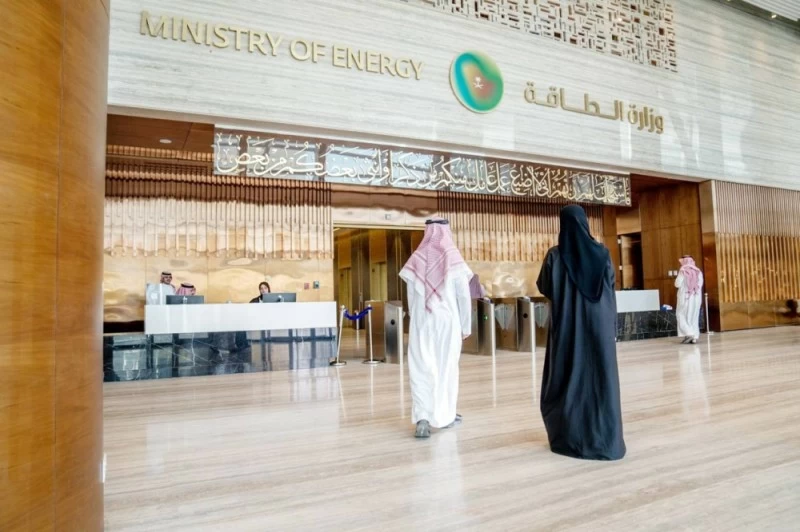
The Ministry of Energy has adopted regulations and a Schedule of Violations of Energy Supply System Regulations to control violations and impose penalties. The decision aims to strengthen oversight and ensure compliance with institutional provisions to ensure the sustainability and security of energy supplies in the Kingdom.
The new regulations specify two types of violations. One is “significant,” which has a direct and significant impact on the environment, public health, or facility safety. and “non-serious” violations. The regulations gave broad administrative powers to the relevant departments of the ministry through “regular inspection visits by authorized inspectors, investigation of reports and dealing with incidents of suspected violations, technical documentation using photography and photogrammetry, documentation of data in official management reports, and progressive monetary penalties depending on the size of the facility.”
The approved “Violation Schedule” includes a precise fine system that takes into account the size of the facility (micro, small, medium, large) and geographic scope. Fines for large facilities can reach up to SAR 20 million for serious violations such as “disposal of assets without the approval of the ministry, provision of misleading information or inaccurate data, obstructing the work of inspectors or obstructing the performance of their duties, suspension of activities without prior approval, deadlines for rectification, and the right to lodge a complaint.”
This regulation affirmed the principle of compliance, as facilities are notified of violations and given a corrective period (typically 30 days) to remove violations before final fines are imposed. The regime also guarantees facilities the right to lodge a complaint with the Minister or the Minister’s authorized representative within 60 days from the date of notification of the decision.
The Regulation aims to ensure market discipline and protect investments in the energy sector by establishing a clear framework for accountability and upholding the rights of all parties, in line with international and national standards on maintenance and occupational and environmental safety.
The Ministry of Energy has adopted regulations to control violations and impose penalties, as well as the Energy Supply System Violation Schedule, with the aim of strengthening oversight and ensuring compliance with system regulations to ensure the sustainability and safety of energy supplies in the Kingdom.
The new regulations define two types of violations. One is “significant,” which has a direct and significant impact on the environment, public health, or facility safety. and “non-serious” violations. The regulations give broad powers to the relevant administrative agencies within the Ministry for enforcement through “regular inspection visits by authorized inspectors, investigation of reports and action on suspected violations, technical documentation using photography and photogrammetry, documentation of data in official violation reports, and graduated fines based on the size of the facility.”
The approved “Violation Table” includes a precise fine system that takes into account the size of the facility (micro, small, medium, large) and geographical scope. Fines for large facilities can reach up to SAR 20 million for serious violations such as “disposing of assets without the approval of the ministry, providing misleading information or inaccurate data, interfering with the work of inspectors or obstructing the performance of their duties, suspending operations without prior approval, deadlines for rectification and the right to appeal.”
The rule emphasizes the principle of compliance, with facilities being notified of violations and given a corrective period (usually 30 days) to correct violations before final penalties are imposed. The regime also guarantees facilities the right to appeal to the Minister or his representative within 60 days from the date of notification of the decision.
The Regulation aims to ensure market discipline and protect investments in the energy sector by establishing a clear framework for accountability and protecting the rights of all parties, in line with international and national standards on maintenance, occupational safety and environmental safety.
