


Israel’s Haaretz newspaper revealed that the “high alert” imposed on the Middle East region by the United States and Israel in anticipation of a possible military conflict with Iran is beginning to take a heavy financial toll.
he mobilized tens of thousands of soldiers
He said the bill for the six-week wait exceeded the $1 billion threshold on the U.S. side alone, with similar depletion expected on the Israeli side.
He reported that the cost of operating a single aircraft carrier is approximately $10 million per day.
The newspaper quoted Benny Youngman, head of the TSG Group, which specializes in defense systems, as saying: “The American military has arrived in large numbers to protect itself and support our defense, and has mobilized tens of thousands of reservists to this end.”
She believed this huge spending would make it difficult for US President Donald Trump to withdraw without achieving “tangible results.”
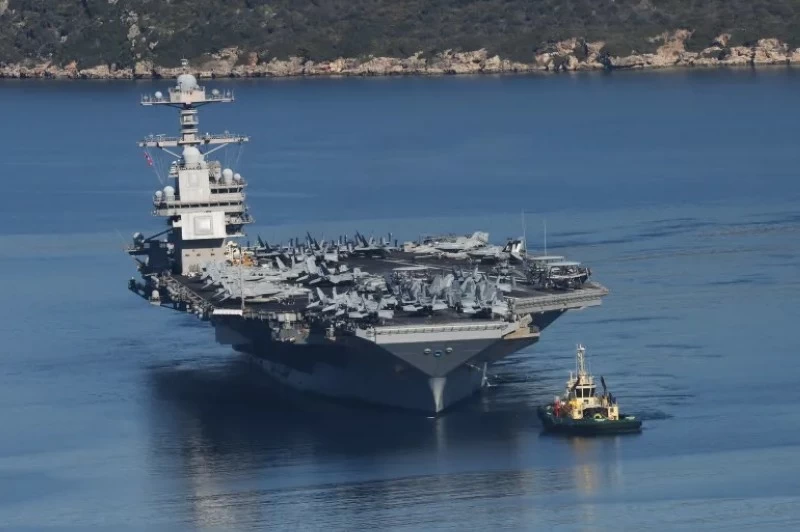
The report noted that a huge aircraft carrier like the USS Gerald Ford has 5,000 paid personnel, and operating in the field of operations increases costs due to flight hours and intense training.
The report said the huge spending would make it difficult for President Donald Trump to leave without achieving “concrete results,” whether it be a military strike or a comprehensive political agreement, especially as American sailors have begun to complain about vague working conditions.
Winter preparation tax
Haaretz newspaper reported that security services have begun requesting budget increases to cover the costs of vigilance and system maintenance.
The paper quoted Ran Kochav, an Israeli reserve officer with the rank of brigadier general who commanded the air defense system from 2018 to 2021, saying the current situation is completely different from the war with Iran last June.
Kohaf noted that Israel does not know when it will attack Tehran, whether Hezbollah and the Houthis will join in, and when Washington will decide to attack Iran. She considered that the current challenge is to maintain continuous operation of radar and surveillance systems that have been in full operation for approximately 1,000 days.
He said the current challenge is to maintain operational continuity of the radar and surveillance systems, which have been in full operation for about 1,000 days, given all these puzzling factors. He also pointed out that monitoring activities become more difficult during winter.
Meanwhile, Youngman warned that logistics costs will increase in the coming days, explaining that the system is constantly running and requires regular maintenance, and that logistics services from food to spare parts to fuel for generators also need to be considered.
Despite the current stagnation, thousands of Israeli soldiers in the aviation, intelligence and air defense ranks continue to receive pay for several days as reservists, which means significant economic costs, the newspaper said.
escalation scenario
The report addresses the escalation scenario with input from Yehoshua Kaliski, a senior researcher at the National Security Institute, who noted that Israeli estimates indicate that Iran may be reviving its missile program and developing one with faster missiles and heavier payloads since last year.
According to the report, there is a possibility of a surprise attack, including the types of missiles that the Iranians will fire at us, and I also believe that the Iranians have good air defense capabilities.
Kalisky warned that the build-up of pressure could have catastrophic consequences and that Iran, if forced, could target American aircraft carriers, potentially breaking the current impasse and opening the door to a costly war.
The state of “maximum alert” imposed by the United States and Israel on the Middle East region in anticipation of a possible military conflict with Iran is beginning to impose a heavy financial burden, Israeli newspaper Haaretz has revealed.
Mobilize tens of thousands of soldiers
Amid similar tensions on the Israeli side, the US side alone said the bill for the six-week wait exceeded the $1 billion threshold.
It is reported that operating one aircraft carrier costs approximately $10 million per day.
The newspaper quoted Benny Youngman, director of the TSG Group, which specializes in defense systems, as saying: “The Americans arrived in large forces to protect themselves and protect us, mobilizing tens of thousands of reservists to this end.”
The report said the huge spending would make it difficult for US President Donald Trump to withdraw without achieving “tangible results.”
The report noted that a large aircraft carrier like the USS Gerald Ford has 5,000 personnel, and field operations would increase costs due to flight time and intensive training.
The report said the huge spending would complicate any withdrawal by President Donald Trump without achieving “tangible results,” whether it be a military strike or a comprehensive political deal, especially as American sailors have begun to express dissatisfaction with vague working conditions.
winter preparation tax
Haaretz newspaper reported that security authorities have begun demanding budget increases to cover the costs of travel and system maintenance.
The newspaper quoted Ran Kochav, an Israeli reserve officer with the rank of brigadier general who commanded the air defense system from 2018 to 2021, saying the current situation is completely different from the war with Iran last June.
Kochav pointed out that Israel does not know when Iran will attack, whether Hezbollah and the Houthis will participate, and when Washington will decide to attack Iran. He believed that the current challenge is to maintain continuous operation of the radar and surveillance systems, which have been in full operation for about 1,000 days.
Amid these many ambiguous factors, the immediate challenge is to continue operating the radar and surveillance systems that have been in full operation for about 1,000 days, and pointed out that the difficulty of surveillance operations becomes even more difficult in winter.
Youngman warned that logistics costs will rise in the coming days, explaining that the system is always on and requires ongoing maintenance, and that logistics services from food to spare parts to fuel for generators need to be considered.
The paper said that despite the current stagnation, thousands of Israeli soldiers working in aviation, intelligence and air defense continue to receive pay for their reserve days, which comes at a significant economic cost.
escalation scenario
The report mentions an escalation scenario based on input from Yehoshua Kalisky, a senior fellow at the National Security Institute, who noted that Israeli estimates suggest that Iran may be reviving its missile program and developing one with faster missiles and heavier payloads since last year.
According to the report, there is a possibility of a surprise attack, including the types of missiles that the Iranians will launch against us, and I also believe that the Iranians have good air defense capabilities.
Kalisky warned that the build-up of pressure could lead to catastrophic consequences and that if Tehran overdoes it, it could target a US aircraft carrier, breaking the current stalemate and opening the door to a costly war.
