


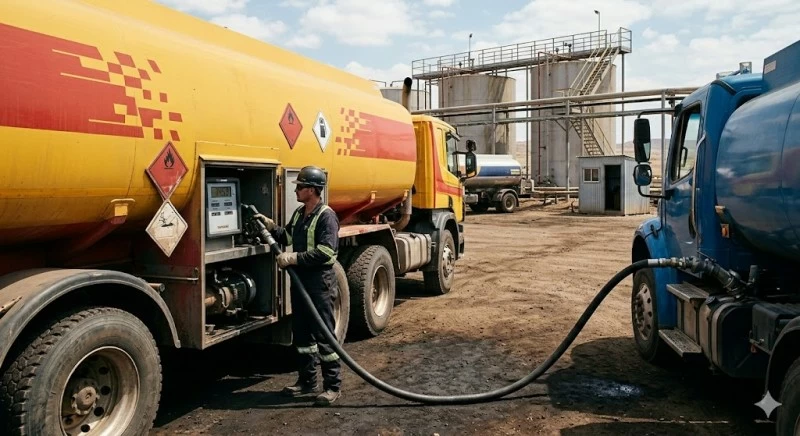
European diesel futures rose as much as 23% to a two-year high, significantly outperforming Brent crude oil futures.
This has significantly widened the diesel refining differential, or the difference between the price of refined fuel and the price of crude oil, which also reflects supply pressures.
European jet fuel spreads rose to their highest level since summer 2023, but the pace of rise in high-sulfur fuel oil spreads has slowed.
limited flow
In contrast, U.S. gasoline refining margins have declined, given the relatively limited flow of gasoline through the Strait of Hormuz.
The escalation comes after oil tanker traffic through the Strait of Hormuz, through which more than 4 million barrels of petroleum products pass per day, was effectively halted, raising concerns about exports of refined products and raising hopes that it would also boost profit margins for refineries outside the region.
Fuel markets are showing signs of severe supply pressure, with refining differentials known as the “crack spread” widening following the disruption of exports through the Arabian Gulf.
European diesel futures rose as much as 23%, significantly outperforming Brent crude and hitting a two-year high.
As a result, the diesel refining margin, which is the difference between the price of refined fuel and crude oil, has widened significantly, also reflecting supply pressure.
European jet fuel margins rose to their highest level since summer 2023, but the pace of increase in high-sulfur fuel oil differentials slowed.
limited flow
In contrast, the relatively limited flow of gasoline through the Strait of Hormuz has reduced U.S. gasoline refining margins.
The escalation comes as oil tanker movements through the Strait of Hormuz, through which more than 4 million barrels of petroleum products pass through per day, have been effectively halted, raising concerns about exports of refined products and raising expectations that this will boost profit margins for refineries outside the region.
Fuel markets are showing signs of sharp supply pressure as refining margins, known as the “crack spread,” widen following the disruption of exports through the Arabian Gulf.
