


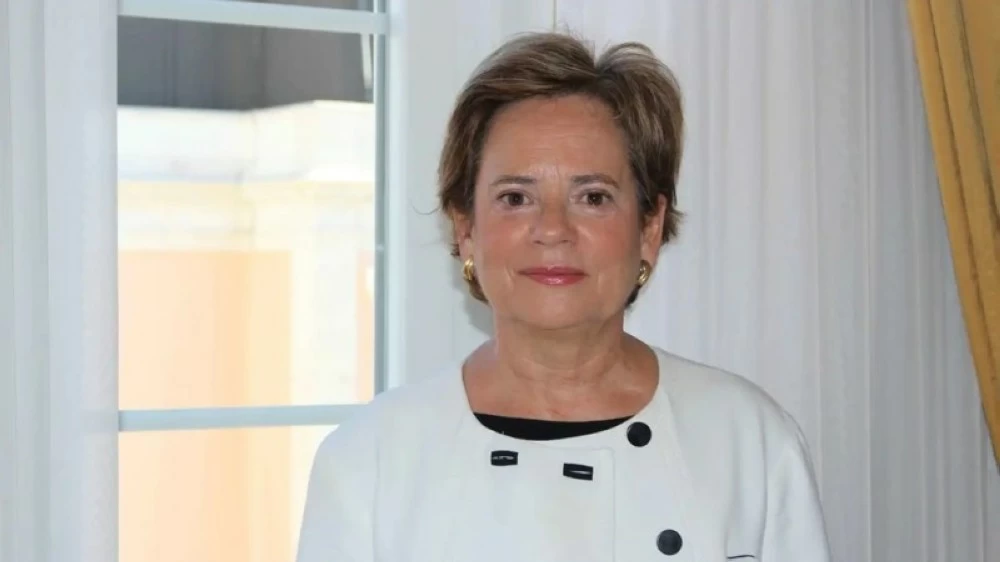
In a dramatic political development, the storms that have battered the Iberian Peninsula over the past two weeks have ousted Portugal’s interior minister, María Lucía Amaral, who announced her resignation today (Wednesday) amid widespread criticism of her handling of the crisis.
Amaral’s resignation was not traditional, as she confirmed in a statement released by the presidential palace in Lisbon that she no longer had the “personal and political requirements” necessary to continue in office, but it was an unusual confession reflecting the amount of pressure that has surrounded her since the disaster began.
Severe storms have battered parts of Portugal and Spain, causing widespread destruction of infrastructure and property and killing at least eight people in Portugal alone.
Official figures put the total loss at more than 4 billion euros (about $4.77 billion), making it one of the worst natural disasters the country has experienced in recent years.
The storm’s impact has sparked a wave of public anger and prompted pointed questions about the preparedness of emergency services and plans to respond to the recurring climate crisis.
In a quick move to limit political fallout, the statement announced that Prime Minister Luis Montenegro would assume office.
The temporary appointment of the Home Office until a successor is appointed shows the sensitivity of the scene and the government’s eagerness to control the field.
The resignation reflects growing public pressure on governments in Europe for managing climate disasters, given the increasing frequency of extreme weather events, and highlights deeper issues beyond the minister’s personality. As the costs of disasters rise year after year, natural disasters are no longer simply a test of infrastructure, but a direct challenge to political responsibility and public accountability. The question remains: will the minister’s resignation be enough to absorb public anger, or has a real storm begun in Portuguese political circles?
In a dramatic political development, the storms that have battered the Iberian Peninsula over the past two weeks led to the sacking of Portugal’s interior minister, Maria Lucia Amaral, who announced her resignation today (Wednesday) amid widespread criticism of her handling of the crisis.
Amaral’s resignation was not traditional, as she confirmed in a statement released by the presidential palace in Lisbon that she no longer had the “personal and political requirements” necessary to continue in office, but it was an unusual confession reflecting the level of pressure that has surrounded her since the disaster began.
Severe storms have battered parts of Portugal and Spain, killing at least eight people and causing widespread destruction of infrastructure and property in Portugal alone.
Official figures put the loss at more than 4 billion euros (about $4.77 billion), making it the worst natural disaster the country has experienced in recent years.
The storm’s aftermath has sparked a wave of public anger and raised sharp questions about the preparedness of emergency services and plans to respond to the recurring climate crisis.
In a quick move to limit political fallout, the statement announced that Prime Minister Luiz Montenegro would temporarily take over the duties of the Interior Ministry until a successor is appointed, demonstrating the sensitivity of the situation and the government’s desire to manage the situation.
The resignations reflect growing public pressure on governments in Europe to manage climate disasters as extreme weather events become more frequent, and highlight deeper issues beyond the ministers themselves. As the cost of disasters rises year after year, natural crises are no longer simply a test of infrastructure, but a direct challenge to political responsibility and public accountability. The question remains: will the minister’s resignation be enough to absorb the public’s anger, or is the real storm in Portuguese politics just beginning?
