

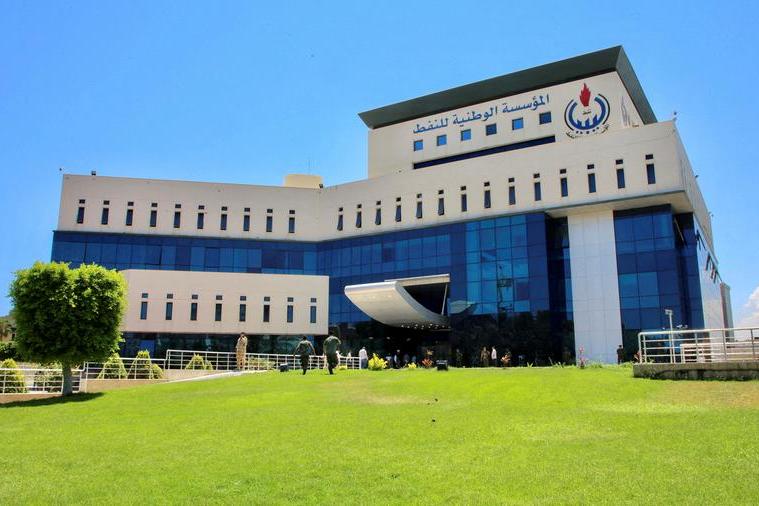
Global oil companies and traders including Vitol, Trafigura and Total Energy have won bids to supply Libya with gasoline and diesel, three trade sources told Reuters.
Libya is in the midst of an overhaul of its oil sector, 15 years after the ouster of leader Muammar Gaddafi and years of civil war. The country produces about 1.4 million barrels of crude oil per day, but lacks the infrastructure to refine the oil and relies on fuel imports.
After issuing its first upstream license round in 20 years to expand oil production to 2 million barrels per day, Africa’s second-largest oil producer is now changing the way it sells its oil and buys the fuel it needs.
Rather than exchanging fuel imports for crude oil exports, it issued a bid to cover its fuel needs.
Vitol won the right to supply five to 10 gasoline cargoes a month and some diesel cargoes in a bid in recent weeks that had not been previously reported, according to three traders with knowledge of the results.
Trafigura and TotalEnergies also won fuel supply rights, two of the three traders said. Reuters could not establish the exact amount. Libya’s National Oil Corporation also awarded fuel bids to Austrian oil and gas company OMV, Swiss-based trading company BGN and Italian oil refiner Iprom, NOC officials said. Vitol, Trafigura and TotalEnergies declined to comment. BGN, OMV and Iplom did not immediately respond to requests for comment.
Imports from Russia decreased
The bid will further reduce imports of Russian goods into Libya, as Western companies source heavily from refineries in the Mediterranean.
Russia’s fuel exports to Libya fell from 56,000 barrels per day in 2024-2025, when it was a major supplier, to around 5,000 barrels per day in 2026, according to live data from global analysis firm Kpler.
Italy has become Libya’s biggest fuel supplier this year, supplying 59,000 barrels a day, mainly from the ISAB and Saroch refineries operated by Trafigura and Vitol, according to Kpler data.
The Russian government has relied heavily on Africa, Asia and South America for fuel sales since sanctions related to the Ukraine war banned imports of refined products from the West. The Kremlin also sees oil exports to India and Turkey falling due to U.S. pressure, directing more oil to China.
Since the beginning of 2024, overall fuel exports to Libya from all sources have averaged approximately 186,000 barrels per day.
Companies will also have access to crude oil exports
Libya will also change the way it handles oil exports, the official said.
All three traders said BGN, which had been a major exporter, would see its oil holdings significantly reduced as export rights were allocated to large Western companies.
Transmed Trading, a small Swiss-based trader, also took off some crude oil cargoes in January and will continue to increase volumes in the coming months, two of the three sources said. According to NOC officials, NOC has not yet finalized individual contracts and specific quantities.
TransMed did not respond to a request for comment. Libya also signed a 25-year oil development agreement with Total Energy and ConocoPhillips in January that includes more than $20 billion in foreign investment.
(Reporting by Robert Harvey, Dmitry Zhdanikov, Ahmad Gadar and Enes Tznaglu in London; Additional reporting by Reuters reporters America Hernandez, Shadia Nasralia, Ahmed Elmami and Francesca Landini in Moscow; Editing by Dmitry Zhdanikov, Alex Lawler and Kirsten Donovan)
