


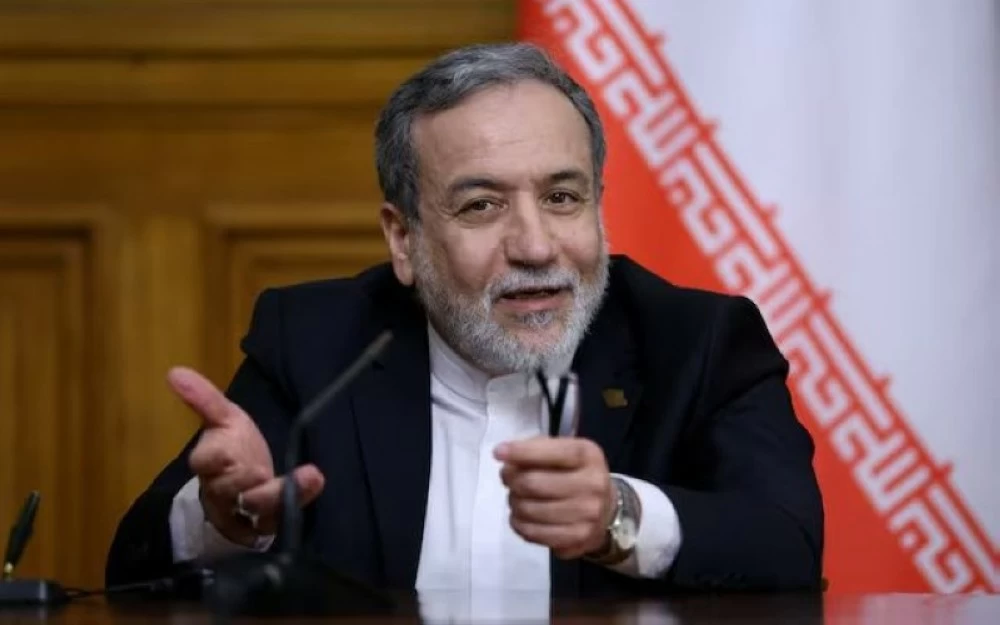
GENEVA – Oman confirmed the start of a new round of indirect nuclear negotiations between Iran and the United States in Geneva on Thursday morning.
The meeting began at the same time as a meeting between Omani Foreign Minister Badr Al Busaidi and International Atomic Energy Agency (IAEA) Director General Rafael Grossi, the Ministry of Foreign Affairs announced on US social media company X.
Bousaidi added that he stressed the importance of the IAEA’s “professional and technical” role and “the need to ensure transparency, credibility and good governance of relevant procedures.”
Iranian Foreign Minister Abbas Alaghushi will lead an Iranian diplomatic delegation that includes Deputy Foreign Minister Majid Takht Ravanshi and a team of nuclear and legal experts.
The American side, as in previous rounds, will be led by U.S. Special Envoy Steve Witkoff and President Donald Trump’s son-in-law Jared Kushner.
Turkey and Washington have held two rounds of indirect talks, mediated by Oman, since nuclear diplomacy resumed last month following efforts by regional countries, including Turkiye, to ease tensions.
After the first round in Muscat, followed by the previous round in Geneva, both sides offered positive assessments and agreed on “guiding principles” that Iranian negotiators said could pave the way for a potential deal.
The talks took place amid a significant US military buildup in the region, alongside a series of recent training exercises by Iran’s Islamic Revolutionary Guards Corps (IRGC).
Related articles
Hong Kong court jails father of pro-democracy activist under national security law
U.S. Secretary of State Marco Rubio said Wednesday that Iran’s refusal to discuss its ballistic missile program is a “serious issue” that must ultimately be addressed because the missiles are “designed solely to attack the United States” and pose a threat to regional stability.
“If we can’t make progress on nuclear development, it’s going to be difficult to make progress on ballistic missiles,” Rubio told reporters on St. Kitts Island.
Iranian Foreign Ministry Spokesman Esmail Baghai told Press TV on Thursday that the negotiations would focus only on the nuclear issue and sanctions relief, adding that Tehran would approach negotiations “seriously and flexibly.”
US President Donald Trump briefly raised the possibility of an attack on Iran in his State of the Union address on Tuesday, stressing that while he hoped for a diplomatic solution, he would not allow Iran to acquire nuclear weapons.
He has deployed fighter jets, carrier strike groups, and destroyers and cruisers to the region, aiming to pressure Iran into making concessions.
On Wednesday night, Araqchi and al-Busaidi discussed the proposals Iran would submit for a deal, according to a statement published by Oman’s Foreign Ministry in X.
The deployment of US troops to the Middle East, the largest since the 2003 invasion of Iraq, has raised concerns of a broader regional conflict. Last June, the United States joined Israel in launching attacks on Iran’s nuclear facilities. Iran has threatened to retaliate violently if attacked again. — Agency
