


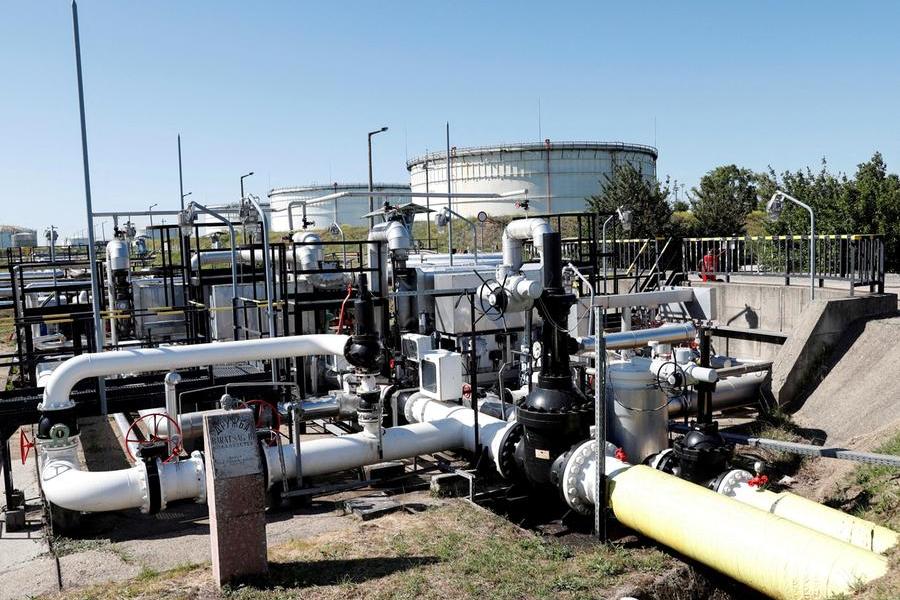
Analysts warn that the war in Iran and the resulting rise in energy prices will have an impact on emerging markets far beyond inflation, putting broader pressure on external balances, currencies and capital flows.
Brokers including JPMorgan and Bernstein expect Brent prices to rise above $100 if the conflict continues, as the Iranian government vows to close the Strait of Hormuz and say it will open fire on ships attempting to pass through the vital oil and gas shipping route.
Brent crude oil futures rose $5.63, or 7.2%, to $83.36 per barrel by 1254 GMT, after hitting $85.12, the highest since July 2024.
“Even a 10% increase in oil prices could worsen current account balances by 40 to 60 basis points. Prolonged increases will only deepen the deficit,” ING analysts said in a note, adding that Thailand, South Korea, Vietnam, Taiwan and the Philippines were the most affected countries.
The US and Israeli air war against Iran escalated, with Israel attacking Lebanon and Iran responding with attacks on Gulf energy infrastructure and tankers in the Strait of Hormuz.
Global financial markets have been roiled by conflict, with both emerging market stocks and currency indexes falling to three-week lows as investors sought the safety of the US dollar.
Analysts said the risk of higher oil prices to China is limited unless the shock is prolonged or sharply escalating, but India, which has scarce oil reserves, would be most exposed to sustained supply disruptions.
Goldman Sachs estimates that a supply-driven rise in Brent crude from $70 to $85 would raise inflation across emerging Asia by about 0.7 percentage points and reduce economic growth by about 0.5 percentage points, while widening current account deficits in nearly every economy in the region, particularly Thailand, Singapore and South Korea.
Citigroup warned that a prolonged oil shock could leave low-reserve countries such as Argentina, Sri Lanka, Pakistan and Turkey facing increased risks of capital outflows and currency depreciation, leading to an “aggressive release” of inflation expectations across emerging markets.
Separately, JPMorgan analysts on Tuesday moved EMEA emerging market foreign exchange to “market weight” and added the Polish zloty to the list of “underweight” currencies.
(Reporting by Rashika Singh and Kanchana Chakravarty in Bengaluru; Additional reporting by Akriti Shah; Editing by Devika Syamnath)
