


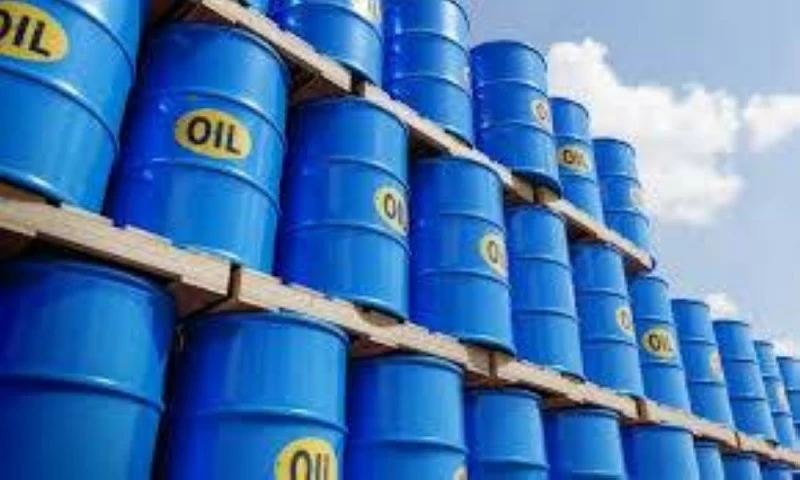
Oil prices rose in light of escalating tensions between the US and Iran, but rose again with the outbreak of war, with the price of a barrel of oil rising by more than $20 compared to the beginning of this year.
Brent crude oil prices reached $85 per barrel, compared to an average of $69 in 2025.
increase fear
The surge largely occurred after the U.S. attack on Iran, raising fears that Iran would close off the Strait of Hormuz, a sea lane through which about a fifth of the world’s oil supplies pass.
The market’s main concern remains the Strait of Hormuz, where traffic in the waterway, including oil and gas tankers, has come to an almost complete halt. The virtual closure of the corridor has cut off oil supplies from Iran and Gulf states, forcing some countries to begin cutting production.
growing waves
The global energy market has been severely disrupted by the war, and the war has entered its sixth day with no resolution in sight. The conflict has spread across the Middle East, raising the prices of oil, gas and petroleum products and raising shipping charges, sending waves of disruption not only to producers but also to importing countries that rely on energy flows from the region.
“Supply is beginning to decline as storage facilities in the Middle East fill up,” JPMorgan Chase analysts including Natasha Kaneva said in a note.
It added: “The main question now is how quickly production will return once export routes return to normal, but we estimate that most sectors will be able to resume production within a few days and that full capacity will typically be restored within two to three weeks.”
