


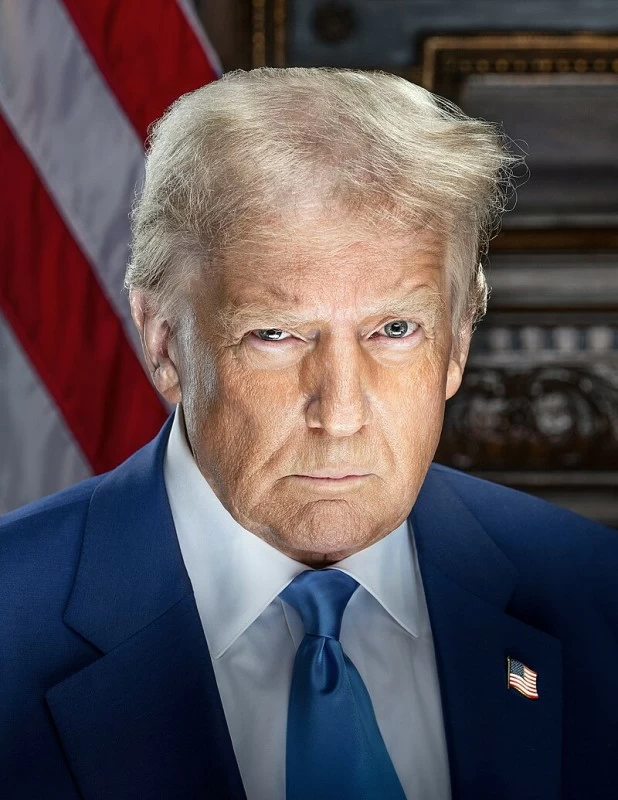
New US tariffs on imported goods went into effect yesterday (Tuesday) as US President Donald Trump seeks to reshape trade policy after the Supreme Court ruled that the sweeping tariffs he imposed around the world were invalidated.
These new tariffs, issued by executive order Friday, are in addition to those set out in various trade agreements with most of the United States’ major trading partners, and are intended to replace current arbitrary tariffs.
But these tariffs do not replace so-called sector tariffs of 10% to 50% on many industries, such as copper, automobiles and timber, which were not affected by the Supreme Court’s ruling.
It also does not apply to Canadian and Mexican products imported into the United States under the North American Free Trade Agreement.
Customs authorities announced that they would stop collecting the tariffs canceled by the Supreme Court as of midnight Washington time on Monday and Tuesday, the effective date of the new additional tax, and confirmed that they would immediately begin collecting the new 10% tariff.
For this new ratio, the U.S. president relied on a law issued in 1974 that allows the balance of trade between the United States and its economic partners to be restored if a significant imbalance in the balance of payments is proven.
