


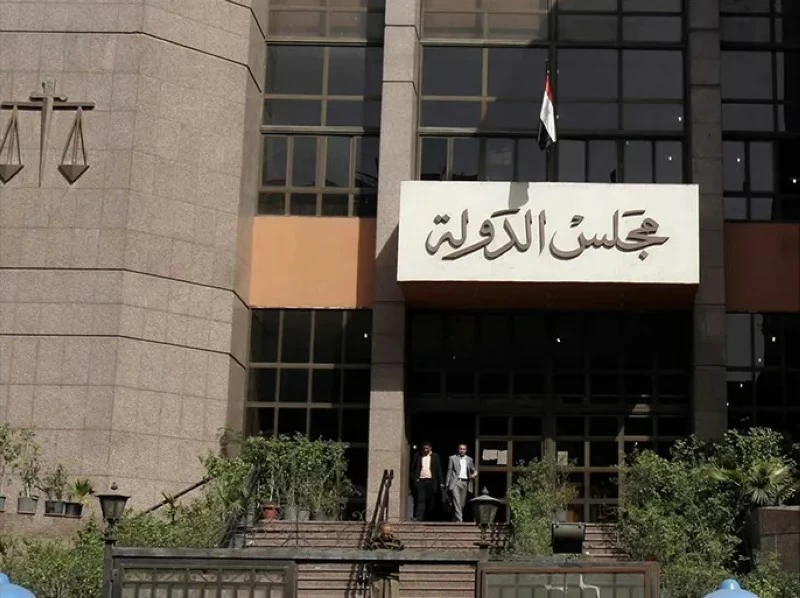
The Supreme Administrative Court of the Egyptian State Council ruled against the appeal filed by an employee of the General Directorate of Education No. 13594 of the 70th Judicial Calendar, confirming the validity of the disciplinary judgment ordering her dismissal after it was proven that she had submitted two forged certificates between 2017 and 2018 with the aim of regularizing her professional status and obtaining the position of fourth secretary.
serious breach of duty
The court acknowledged that the actions of the officials constituted a serious violation of the duties of public office and a direct violation of the dignity of administrative work, explaining that such actions undermine the state’s trust in the employees of administrative agencies and require the imposition of firm sanctions in order to ensure discipline and preserve the prestige of public institutions.
disciplinary responsibility
The court added that disciplinary liability is not limited to direct violations of office, but includes any conduct that damages the reputation of the office or undermines confidence in the public administration, even if it occurs outside the scope of official duties, and emphasized that the penalties imposed are proportionate to the seriousness of the violation.
Maintain performance consistency
The court stated that its role is limited to monitoring the integrity of the application of the law and the correctness of procedures, rather than reassessing the facts or modifying penalties, and stressed the need to protect educational certificates and official documents from falsification in order to maintain the integrity of implementation within state institutions, and to hold accountable all those who violate the law.
The Supreme Administrative Court of the Egyptian State Council ruled against the 70-year appeal number 13594 filed by an employee of the Superintendent of Education, confirming the validity of the disciplinary action that dismissed her after it was proven that she submitted two forged certificates in 2017 and 2018 with the aim of regularizing her employment status and obtaining the position of fourth secretary.
serious breach of duty
The court confirmed that the act of this official was a serious violation of the duties of public office and a direct insult to the dignity of administrative work, explaining that such acts undermine the state’s trust in the employees of administrative organs, and that in order to ensure discipline and preserve the dignity of public facilities, it is necessary to impose firm penalties.
disciplinary responsibility
The court added that disciplinary liability is not limited to direct violations of official duties, but also includes acts that damage the reputation of the office or undermine confidence in public administration, even if they occur outside the scope of official duties, and emphasized that the penalties imposed are commensurate with the seriousness of the violation.
Maintain performance consistency
The court noted that its role is limited to monitoring the proper application of the law and the effectiveness of procedures, without reassessing the facts or modifying penalties, and emphasized the need to protect educational certificates and official documents from falsification and to hold accountable those who violate the law in order to maintain the integrity of implementation within state institutions.
