

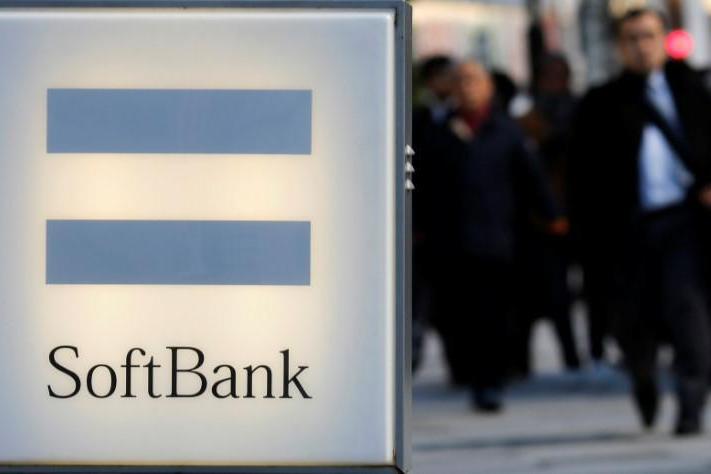
TOKYO – Japan’s SoftBank Group is expected to post a healthy profit on its investment in OpenAI when it releases quarterly results on Thursday, as the market focuses on how the company will finance its significant investment in artificial intelligence.
As OpenAI continues to incur losses and yet continue to close multibillion-dollar deals, investors are concerned about the company’s ability to fund those commitments, deteriorating sentiment toward the big tech companies that have close ties to OpenAI.
SoftBank will invest more than $30 billion in the ChatGPT maker in 2025, giving it an ownership of about 11%, and is in talks to invest up to an additional $30 billion in the U.S. company’s latest funding round, Reuters reported last month.
Analysts said the Japanese investment firm’s large exposure to OpenAI means it is considered a listing agent for U.S. companies, raising concentration risks and raising concerns about the potential impact on its financial position.
“The reality for SoftBank shareholders right now is that their wealth is tied up in OpenAI,” said Rolf Balck, head of semiconductor and infrastructure research at Futurum Equities.
“Even if we do another $50 billion round, we’re going to need a lot more capital in the next few years,” he said. “The likes of Amazon and Google spend well over $100 billion a year in capital spending.”
The company’s “all-in” bet on OpenAI follows a pattern familiar to SoftBank founder and CEO Masayoshi Son, who likes to make high-conviction bets on companies that haven’t yet turned a profit.
Each of OpenAI’s recent funding rounds has received higher valuations, but these are just theoretical gains at this point.
SoftBank should record a $4.45 billion investment return from the $22.5 billion OpenAI investment tranche completed in December, according to estimates by BTIG analyst Jesse Sobelson.
Five analysts surveyed by LSEG expected quarterly net profit to range from a profit of 1.1 trillion yen ($7.07 billion) to a loss of 480 billion yen.
SoftBank stock has been volatile lately, up about 2% year-to-date in 2026, but down about 15% over the past three months.
financial plan
Investors will be closely scrutinizing how SoftBank can finance its future OpenAI investment, as SoftBank has already released some of its most liquid assets into bets on AI companies.
In the September quarter, SoftBank announced it had sold its $5.8 billion stake in Nvidia and a portion of its T-Mobile stake for $9.17 billion.
SoftBank issued more bonds and increased leverage levels. SoftBank’s loan-to-value ratio may have jumped to 21.5% at the end of December from 16.5% three months ago, said Nomura senior credit strategist Shogo Higashino.
Even if SoftBank were to value OpenAI at $830 billion (the valuation the AI company is targeting for its latest funding round), the leverage ratio would only drop to 19.2%, Higashino wrote in the note.
SoftBank’s long-term credit is rated sub-investment grade by S&P, but it still has some financial cushion.
In November, SoftBank increased its borrowing capacity by using its ownership interest in chip design company Arm Holdings as collateral, but $11.5 billion of that amount remained undrawn as of December.
As of the end of September, it held cash and cash equivalents of 3.5 trillion yen.
In addition to this, analysts expect more asset monetization and bond issuance.
While external demand for investment in OpenAI is strong – the syndicated portion of last year’s $40 billion investment was oversubscribed and Amazon and Nvidia are in talks to participate in the latest round of funding – competition among AI companies is intensifying.
“Just six months ago, OpenAI was considered a strong player, but now its growth prospects and revenue projections are on par with its competitors,” said Futurum’s Bulk. (1 dollar = 155.5100 yen)
(Reporting by Anton Bridge; Editing by Miyoung Kim and Muralikumar Anantharaman)
