


DUBAI: The UAE’s years-long real estate boom is facing its first real test after Iranian missile attacks shattered the Gulf’s safe atmosphere.
The attack damaged the region’s reputation for stability at a time when concerns about overheating were already surfacing. Developers who used to sell out unplanned launches within hours are now faced with a rapidly changing demand landscape.
According to Better Homes, off-plan transactions will account for 65% of Dubai transactions in 2025, meaning most purchases are for homes that have not yet been built. The pipeline may face an even tougher market in the future, with demand from foreigners becoming a determining factor.
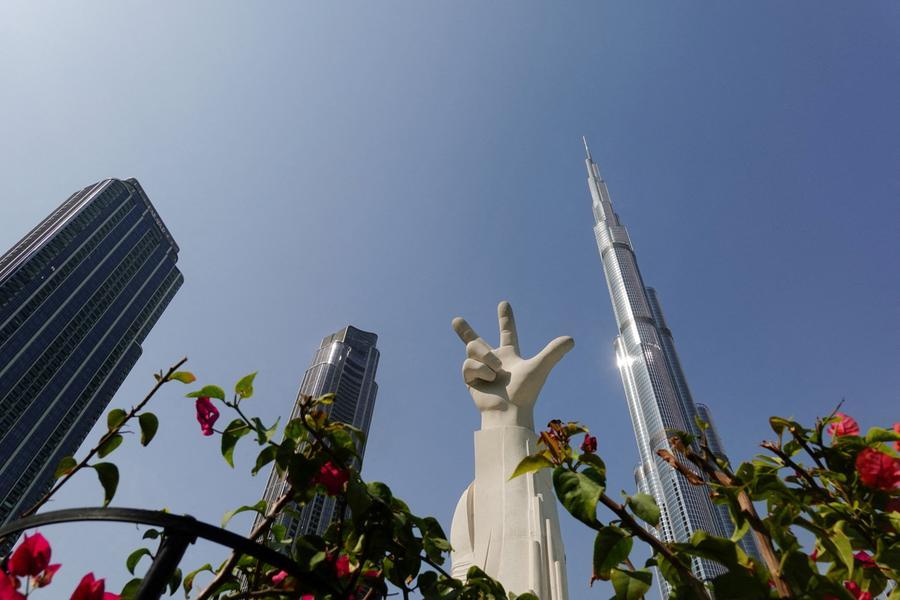
Shares of development companies in Dubai and Abu Dhabi fell sharply on Wednesday. Al Dar Properties, Abu Dhabi’s largest listed developer, and Emaar Properties, which owns Downtown Dubai and Burj Khalifa, both fell 5%, with bond prices for major developers plummeting.
The bond market, a key financing channel for UAE developers, has now effectively halted new issuance, and spreads across the sector have widened.
Some developers downplayed the decline.
“We know that things start early and end early in this region, and the fundamentals across the GCC (Gulf Cooperation Council) countries are strong, so we’re getting through this,” said Ziad El Char, CEO of luxury developer Dar Global, which is working on a series of Trump-branded projects across the Gulf.
“Nothing is on hold… everything is going well,” he said.
Some said the impact was already visible. A real estate bank executive told Reuters that his company had shelved a planned capital raise for UAE real estate this week.
“Investors are not looking to invest in the region at this stage,” he said, adding that the risk premium for UAE real estate is “much higher.”
He added that if the conflict drags on, international financial institutions could face pressure to scale back new lending and be forced to sell assets.
turbocharger rally
Dubai’s skyline has been transformed over two decades by incredible construction ambitions. Once a radical land reclamation experiment, Palm Jumeirah is now an established luxury enclave. Palm Jebel Ali is the second large, palm-shaped development rising out of the bay, its outline traced by cranes. Abu Dhabi is also reshaping its coast through a quiet but equally determined construction drive.
Property price growth has accelerated since the coronavirus outbreak, as the UAE’s tax-free regime, visa liberalization and economic reforms have attracted wealthy immigrants. Russians fleeing the war in Ukraine, billionaires, family offices and hedge funds poured money into real estate, drawn by zero income taxes and a business environment that aims to rival the world’s financial hubs.
According to official data, by 2025, the UAE’s population will exceed 11 million, with expatriates accounting for nearly 90% of residents, one of the highest proportions on the planet.
According to Fitch, real estate prices in Dubai rose 60% from 2022 to the first quarter of 2025. Growth continued in the second half of last year, with home prices rising nearly 13% in the fourth quarter compared to the same period last year, according to real estate consultant CBRE. House prices in Abu Dhabi rose by almost 32% over the same period.
“The real impact on real estate should be measured by the level of demand after the conflict has stopped. That’s where the real impact will be felt,” said Mohamed Ali Yassin, chief executive of Abu Dhabi’s Lunate company Ghaf Benefits.
He noted that with the overall market down 5% on Wednesday, listed development stocks also fell.
Architecture built based on foreign demand SPREE
Even before the US and Israel attacked Iran, analysts were warning that supply was outpacing population growth.
JPMorgan said last week that Dubai’s demographic expansion is unlikely to absorb the 300,000 to 400,000 new homes expected by 2028.
“Foreign interest in post-conflict real estate purchases will be critical,” economists at Abu Dhabi Commercial Bank said in a note Wednesday. Foreign and non-resident buyers are a key demand driver, and new supply is expected to increase from the second half of this year and remain high throughout the next two years, they added.
The attack came just as the wave of supply was accelerating.
“Real estate investing typically relies on stability, visibility and sustained investor confidence, all of which tend to weaken during prolonged geopolitical uncertainty,” said Ryan Remand, co-founder and CEO of NeoVision Wealth Management in Abu Dhabi.
($1 = 3.6726 UAE dirhams) (Additional reporting by Karin Strohecker; Editing by Tommy Reggiori Wilkes and Mark Potter)
