


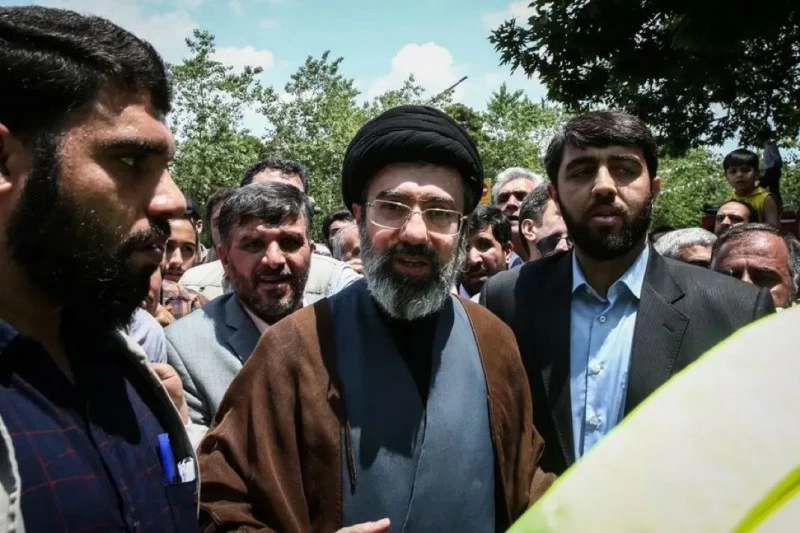
In a notable development in the context of Israel and the United States’ war against Iran, Tehran city councilor Meisam Muzaffar announced that Iranian leader Ali Khamenei’s son-in-law and other figures were killed as a result of attacks targeting the capital.
In a statement to local media, Prime Minister Muzaffar identified the deceased as Dr. Mesbah al-Huda Bagheri Kani, the son of Bagheri Kani and son-in-law of the Supreme Leader, and also mentioned the killing of Zahra Haddad-Adel, daughter of Gholam Ali Haddad-Adel and wife of Mojtaba Khamenei.
At a time when the country is witnessing a major military escalation, affecting figures involved in sensitive areas and policy-making circles, no detailed official statement has yet been released clarifying the circumstances of the incident or the exact location targeted.
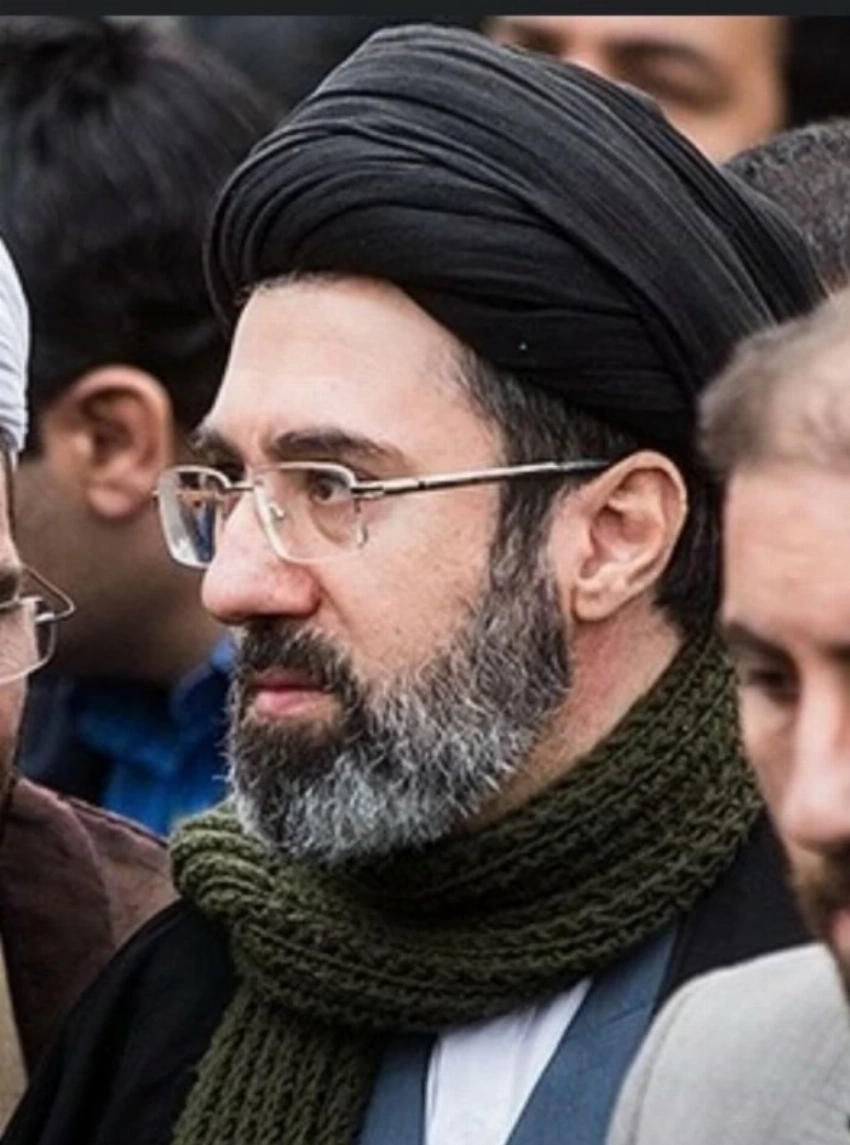
Mojtaba Khamenei…quiet presence and rising influence
The new targeting has brought Mojtaba Khamenei’s name back to the forefront as one of the most prominent names circulating within the Iranian regime and as a potential candidate to succeed his father as the regime’s supreme leader.
According to a prominent broadcaster’s watch over his career, Mojtaba joined the Iranian Revolutionary Guards and served until the end of the Iran-Iraq War (1980-1988). In the late 1990s, he received his religious education at a seminary in Qom, where he studied under a number of conservative scholars.
Although he is known to have the least media exposure of the supreme leader’s sons, his presence in the supreme leader’s office has been described as vital, with him playing an influential role away from the public eye, benefiting from an extensive network of relationships within the Revolutionary Guards and clerical circles.
From war to increased influence
Mojtaba grew in light of profound political and security changes that coincided with the growing influence of the Revolutionary Guards, which were established alongside the regular army after the Iranian revolution. When the Iran-Iraq War broke out in 1980, protecting the regime became a top priority, and the Revolutionary Guards’ position strengthened in terms of political and security, especially during the period from 1981 to 1989 when Ali Khamenei became president.
In the early 21st century, Mujtaba strengthened his ties within the military and religious organizations, strengthened his involvement in the office of supreme leader, and became an influential intermediary in serving his father’s directions and interests within the centers of influence.
Expansion of accusations and security
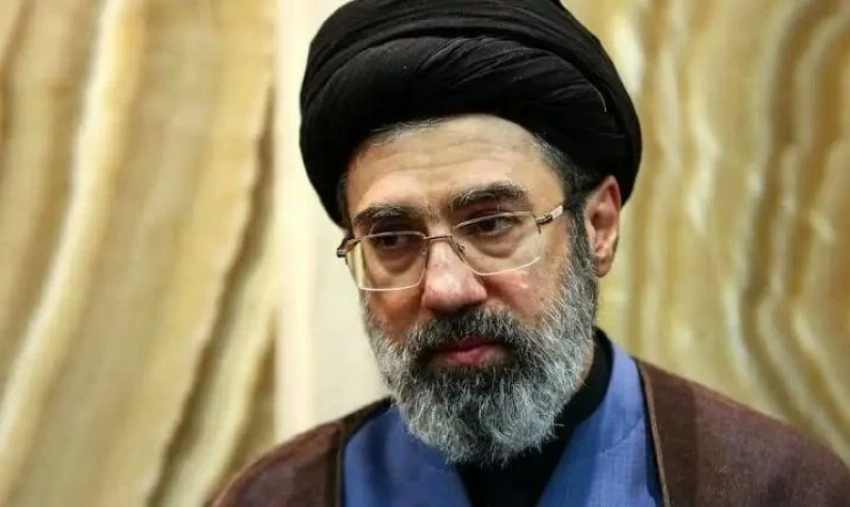
Mojtaba Khamenei’s name came up strongly after the 2005 presidential election, as opposition forces accused him of interfering in the electoral process. It is also believed to have played a role in managing security operations associated with protests against some election results.
At this stage, the intelligence services of the Revolutionary Guards, under the supervision of the Supreme Leader’s Office, expanded to become de facto competitors of the Ministry of Information and Security, indicating a reshaping of the balance of power within the state.
In light of the current military escalation, questions about the future of Tehran’s power hierarchy and the role of rising figures within the narrow circle surrounding the supreme leader are resurfacing at what appears to be the most sensitive stage in years.
In a notable development in the context of Israel and the United States’ war against Iran, Tehran city councilor Meisam Mozaffar announced that Iranian Supreme Leader Ali Khamenei’s son-in-law was killed along with others as a result of an attack targeting the capital.
In a statement to local media, Prime Minister Mozaffar identified the deceased as Dr. Misbah al-Huda Baqeri Kani, son of Baqeri al-Kani and son-in-law of the Supreme Leader, and also mentioned the death of Zahra Haddad Adel, daughter of Gholam Ali Haddad Adel and wife of Mojtaba Khamenei.
At a time when the country is witnessing a major military escalation affecting sensitive locations and figures associated with policy-making circles, no detailed official statement has yet been released clarifying the circumstances of the incident or the exact locations targeted.
Mojtaba Khamenei…quiet presence and growing influence
The new target has brought Mojtaba Khamenei’s name back to the forefront, making him one of the most prominent names circulating within the Iranian regime and a possible candidate to succeed his father as the regime’s supreme leader.
According to a notable milestone in his career, Mojtaba joined the Iranian Revolutionary Guards Corps and served until the end of the Iran-Iraq War (1980-1988). In the late 1990s, he received his religious education at a seminary in Qom, studying under several conservative scholars.
He is known to be the least visible of the Supreme Leader’s children in public. However, his presence within the Supreme Leader’s office has been described as central, benefiting from an extensive network of relationships within the Revolutionary Guards and clerical circles, and playing an influential role away from the spotlight.
From war to increased influence
Mojtaba grew up amid profound political and security changes that coincided with the growing influence of the Revolutionary Guards, which was established as a parallel force to the regular army after the Iranian revolution. With the outbreak of the Iran-Iraq War in 1980, protection of the regime became a top priority, and the Revolutionary Guards’ political and security status was strengthened, especially during President Ali Khamenei’s term from 1981 to 1989.
In the early 21st century, Mojtaba strengthened his ties within the military and religious institutions, strengthened his involvement in the office of supreme leader, and became an influential intermediary in serving his father’s instructions and interests in the centers of power.
Expansion of accusations and security
Mojtaba Khamenei’s name came up strongly after the 2005 presidential election, with opposition forces accusing him of interfering in the electoral process. He is also believed to have played a role in managing security operations following protests over the results of some election events.
During this period, the Intelligence Service of the Revolutionary Guards, overseen by the Supreme Leader’s office, expanded to become a real competitor to the Ministry of Information and Security, marking a reshaping of the balance of power within the state.
Given the current military escalation, these scenes raise questions about the future of Tehran’s power structure and the role of emerging powers within the narrow circle surrounding the supreme leader, at what appears to be its most sensitive phase in years.
