

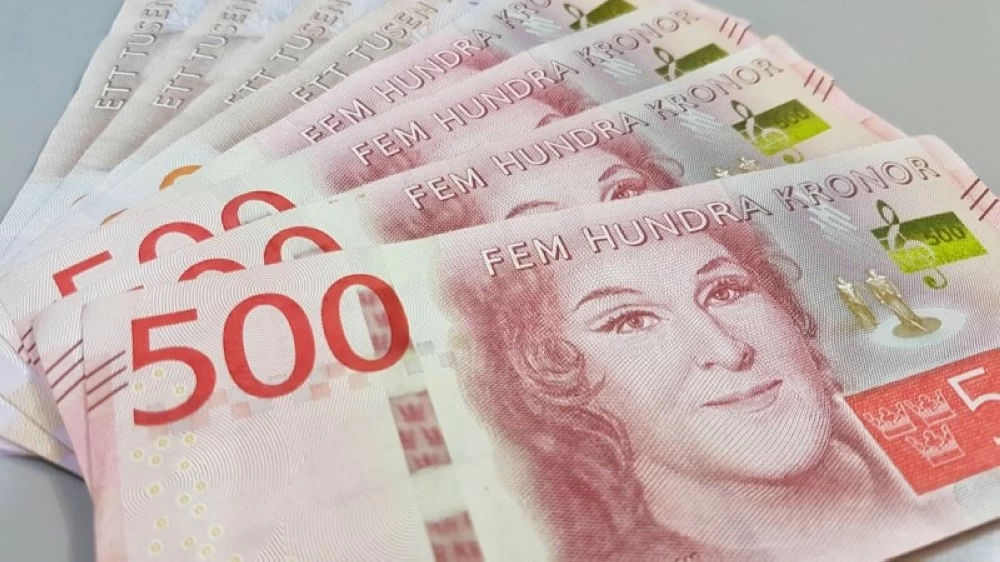
Swedish politicians and experts began discussing joining the eurozone as a security and economic necessity. This trend is being driven by global systemic changes. Twenty years after Swedes rejected the single currency in a 2003 referendum, this situation has changed.
Liberal MP Cecilia Long argues that NATO membership is inadequate without a monetary union that protects small economies in the face of great power rivalry.
Stockholm’s political establishment believes that adopting the euro will give the country an influential seat in Europe’s fiscal decision-making.
financial independence
A report by expert Lars Kalmfors highlights the feasibility of participation now compared to in the past, given that Sweden’s economic cycle is in sync with the euro area. He explained that financial independence is no longer a decisive advantage, especially as commercial dependence on the region has increased by more than 60%.
This trend is strongly supported by Swedish business leaders, with major investors such as Christer Jardel describing the krona as a “small and unstable” currency that is an obstacle for Swedish industry. With less liquidity and volatility, business leaders believe currency union will eliminate currency risk and stimulate direct investment.
Swedish politicians and experts have begun to discuss joining the eurozone as a change due to security and economic needs and changes in the world system. This redefines the situation 20 years after Sweden rejected the single currency in a 2003 referendum.
Liberal Party MP Cecilia Long argues that NATO membership is insufficient without a monetary union that protects small economies in the face of great power rivalry.
Political circles in Stockholm believe that adopting the euro will give the country a prominent seat at Europe’s fiscal decision-making table.
financial independence
The report by the expert “Lars Kalmfors” revealed that participation is now more feasible compared to the past, given that Sweden’s economic cycle is synchronized with the euro area. He explained that monetary independence is no longer a decisive advantage, especially as trade dependence on the region has increased by more than 60%.
Swedish business leaders strongly support this trend, with major investors such as Christer Gardel describing the krona as a “small and volatile” currency, which poses a barrier to Swedish industry due to its weak liquidity and volatility. Business leaders believe that currency unification will eliminate exchange rate risks and stimulate direct investment.
